4 May 2026
HKMU sets new record with 1,185 government scholarship recipients

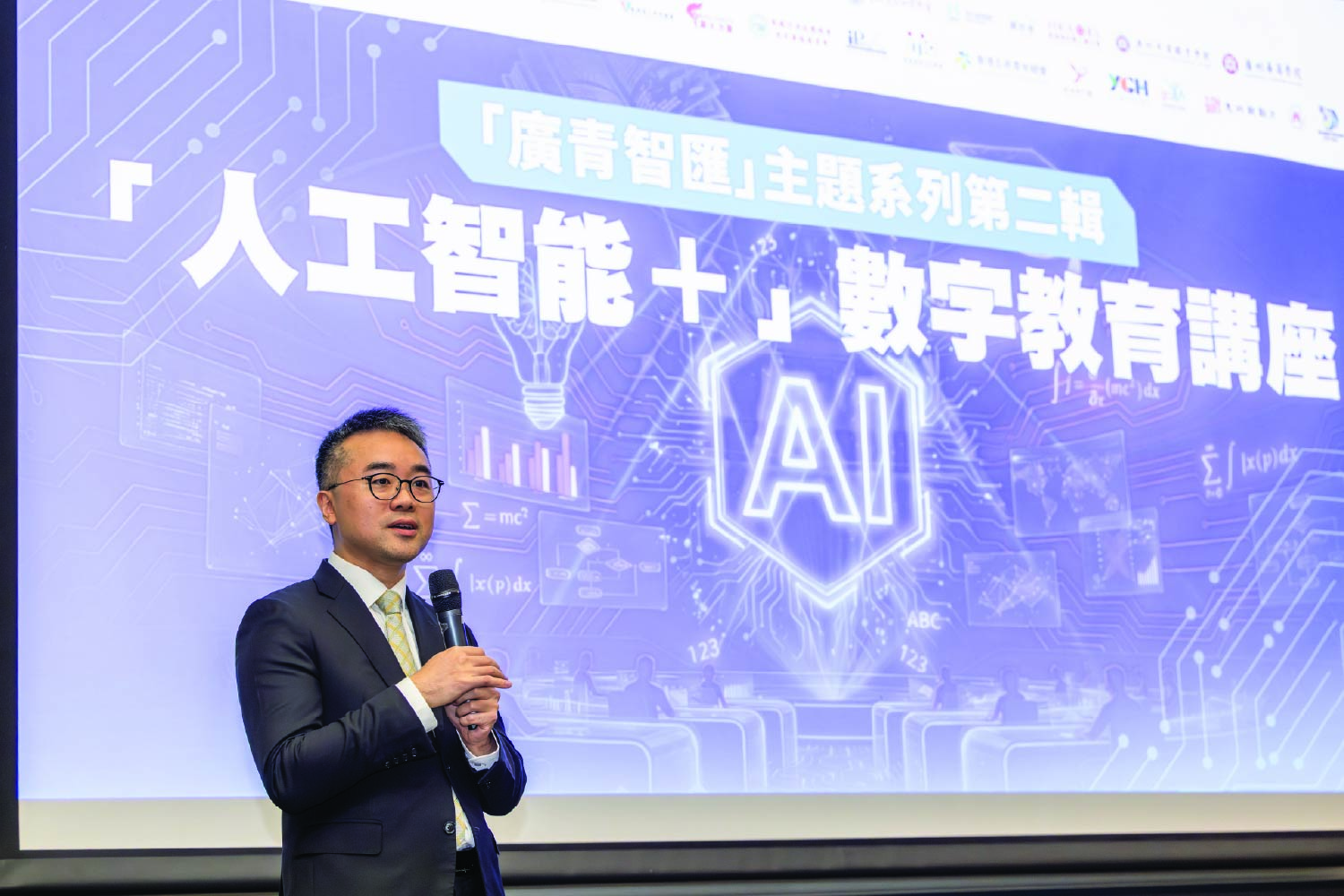
Dr Jeff Sze Chun-fai, Under Secretary for Education of the HKSAR Government, shares the latest development of digital education at the seminar.

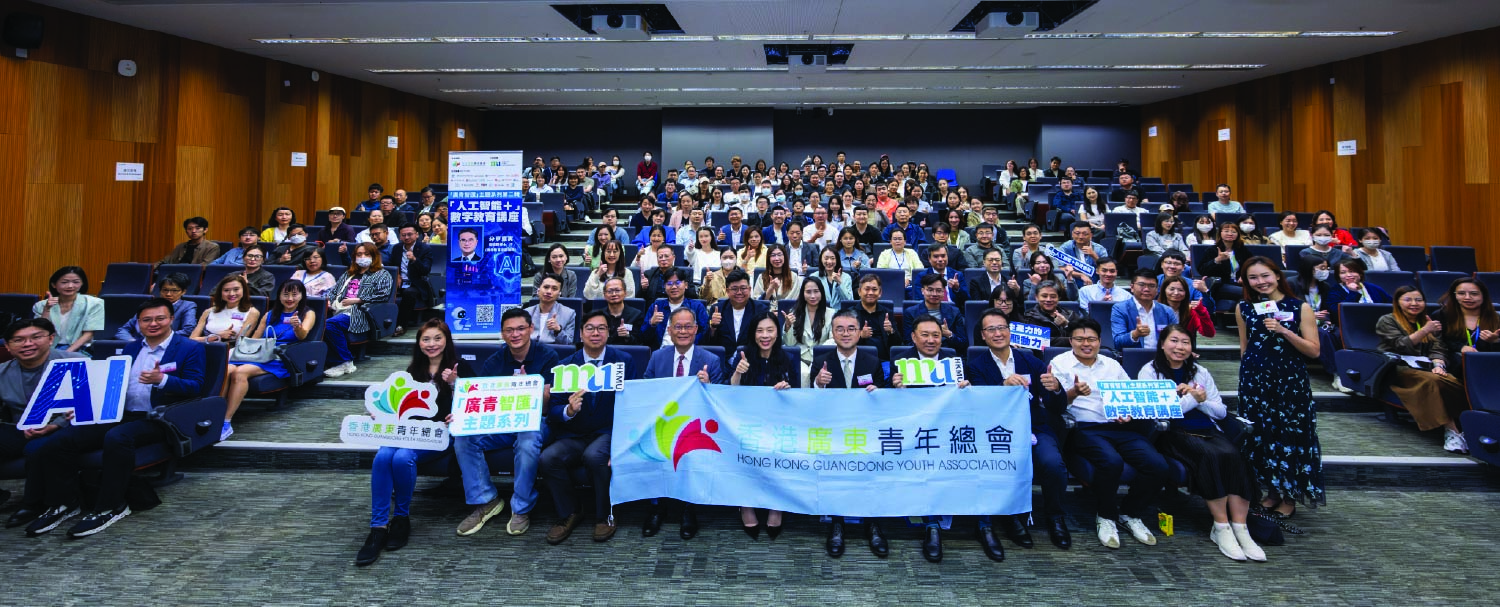
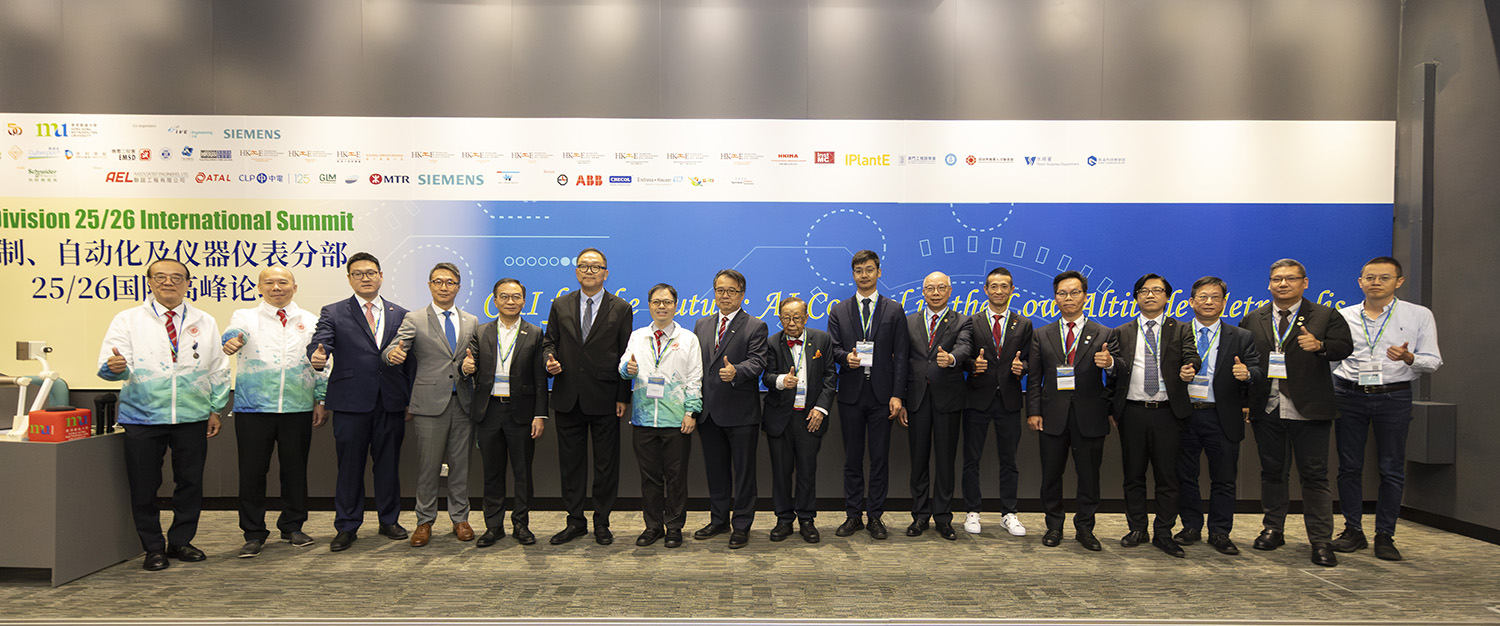
A group photo of the participants.

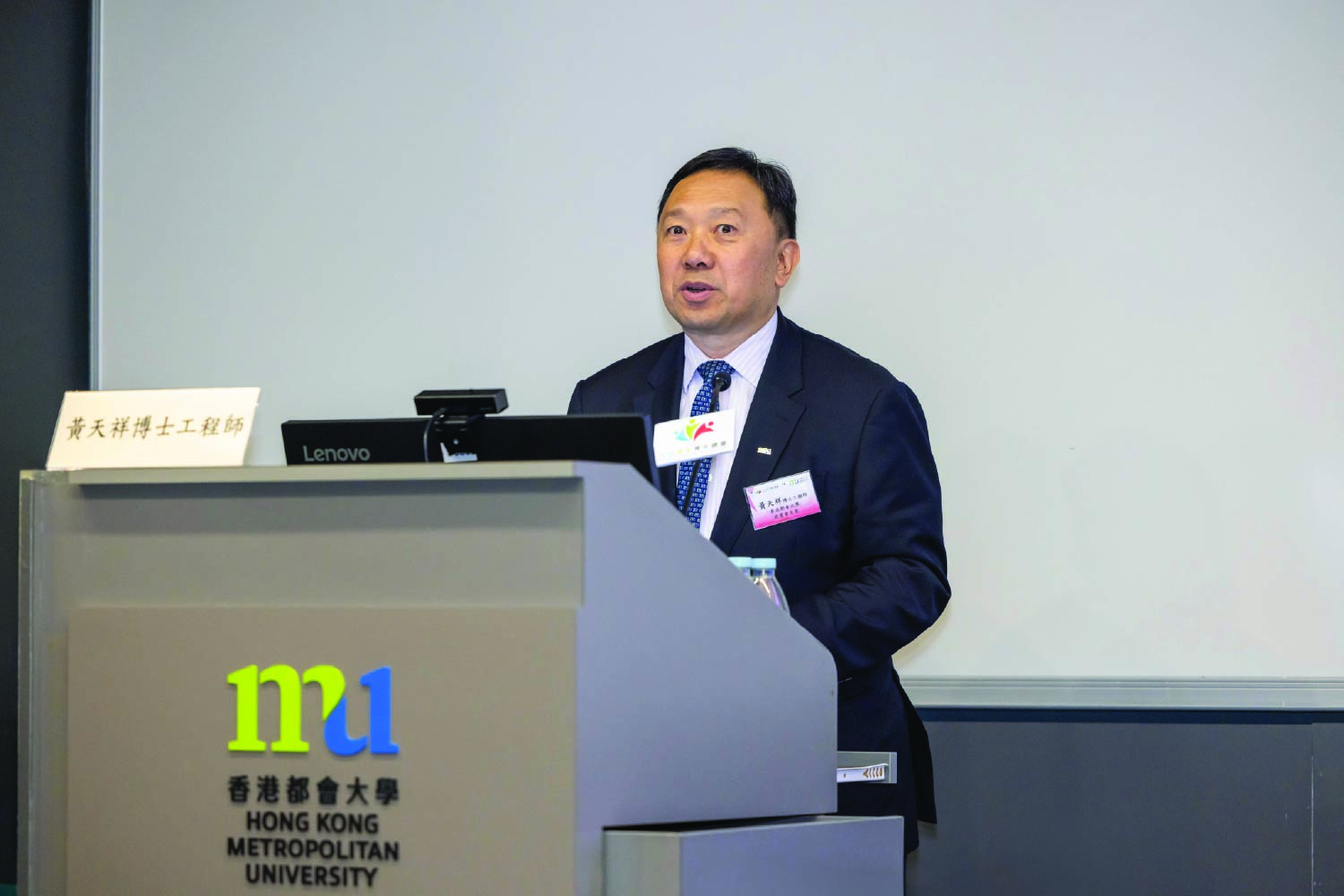
Ir Dr Conrad Wong Tin-cheung, HKMU Council Chairman, delivers his remarks, emphasising HKMU's commitment to advancing digital education.

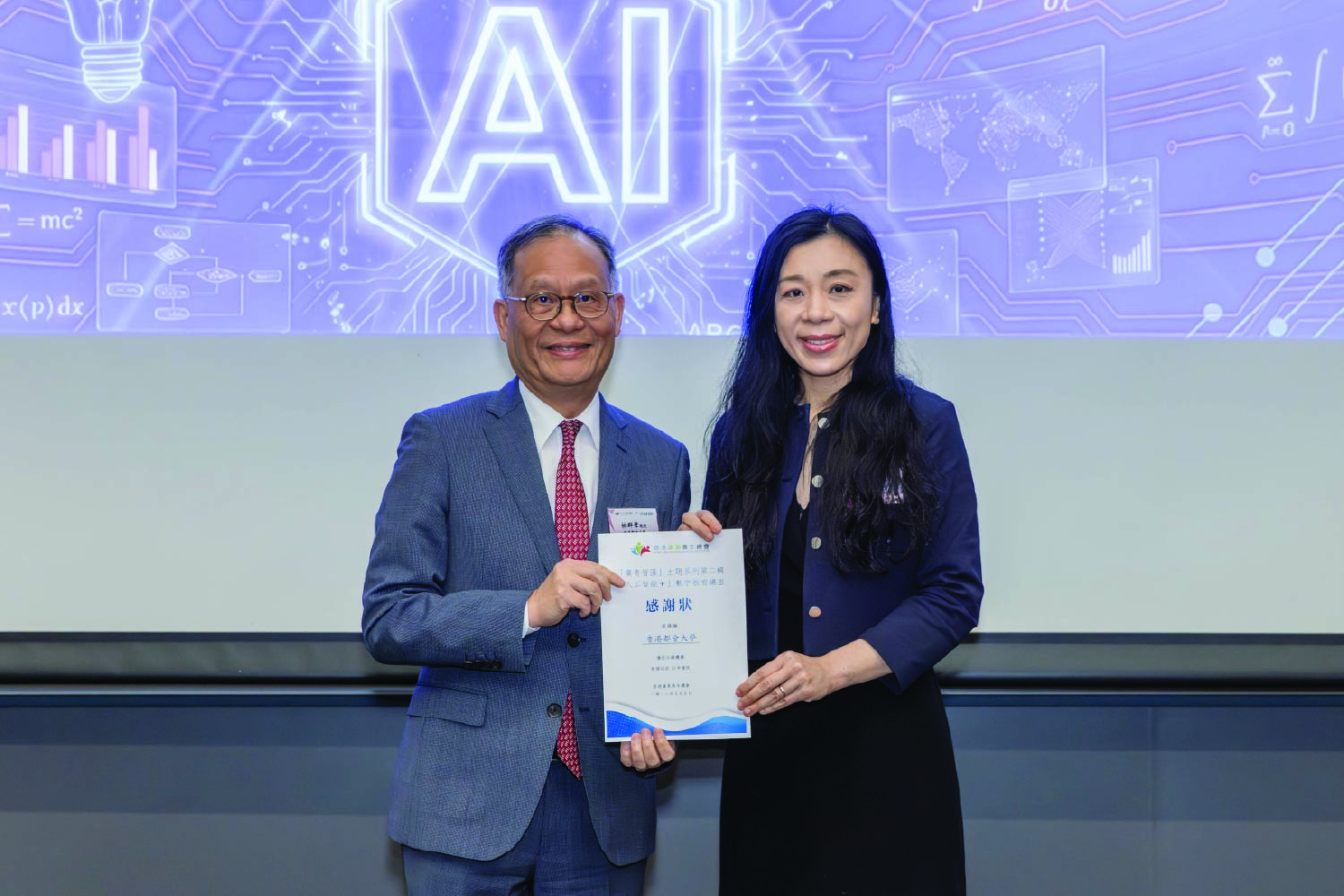
Dr Eman Liu Yi-man (right), Chairman of HKGDYA, presents a Certificate of Appreciation to Prof. Paul Lam Kwan-sing (left), HKMU President.
To explore the latest developments in artificial intelligence (AI) and digital education, Hong Kong Metropolitan University (HKMU) and the Hong Kong Guangdong Youth Association (HKGDYA) co-hosted the “AI+” Digital Education Seminar on 5 May.
Dr Jeff Sze Chun-fai, Under Secretary for Education of the Hong Kong Special Administrative Region Government, was invited to share his insights on how Hong Kong's educational ecosystem can evolve in tandem with advances in AI. The event received an overwhelming response, attracting nearly 250 attendees, including principals and teachers from secondary schools, primary schools and kindergartens, university students, and representatives from various sectors.
Ir Dr Conrad Wong Tin-cheung, HKMU Council Chairman, emphasised in his speech that as Hong Kong's first university of applied sciences, HKMU consistently upholds the philosophy of practical innovation. The University has launched multiple AI-related degree programmes and actively integrates AI elements into its undergraduate curricula, encouraging the innovative, critical and responsible use of technology. He added that the University will continue to advance digital education and applied technologies through cross-sector collaboration to address the pressing societal demand for innovative talent.
Dr Eman Liu Yi-man, Chairman of the HKGDYA, said that the seminar aims to closely align with the national 15th Five-Year Plan and new quality productive forces, enabling young people and education stakeholders to gain a deeper understanding of Hong Kong's digital education policies and practices. She expressed her hope that the event would empower young people to equip themselves, seize contemporary opportunities and actively integrate into national development.
During the seminar, Dr Sze discussed the Government's active support for the national strategies of invigorating the country through science and education, building a strong educational system and promoting innovation-driven development. Early last year, the Steering Committee on the Strategic Development of Digital Education was established to drive digital education across four key areas: enhancing students' digital literacy, strengthening professional training for teachers, upgrading infrastructure and fostering cross-sector collaboration.
He mentioned that the pace of promoting AI education varies among schools, and coupled with differences in family resources, leads to increasing disparities in students' access to and utilisation of technology. “Without school intervention, the 'digital divide' will continue to widen,” he said. Therefore, the government has earmarked HK$2 billion from the Quality Education Fund to comprehensively promote digital education in local primary and secondary schools under the “safety net without a ceiling” principle, ensuring that schools with fewer resources receive basic infrastructure and teacher training, while leading schools are encouraged to continue innovating.
Dr Sze highlighted the robust development of Hong Kong's post-secondary sector, the Government's active promotion of the “Study in Hong Kong” brand, and HKMU's notable achievements in this regard. He stressed that advancing universities of applied sciences is a key initiative of the current-term Government, aimed at ensuring the parallel development of traditional academic disciplines and applied learning. This approach has also successfully attracted an increasing number of non-local students to Hong Kong.

Dr Jeff Sze Chun-fai, Under Secretary for Education of the HKSAR Government, shares the latest development of digital education at the seminar.


To explore the latest developments in artificial intelligence (AI) and digital education, Hong Kong Metropolitan University (HKMU) and the Hong Kong Guangdong Youth Association (HKGDYA) co-hosted the “AI+” Digital Education Seminar on 5 May.
Dr Jeff Sze Chun-fai, Under Secretary for Education of the Hong Kong Special Administrative Region Government, was invited to share his insights on how Hong Kong's educational ecosystem can evolve in tandem with advances in AI. The event received an overwhelming response, attracting nearly 250 attendees, including principals and teachers from secondary schools, primary schools and kindergartens, university students, and representatives from various sectors.
Ir Dr Conrad Wong Tin-cheung, HKMU Council Chairman, emphasised in his speech that as Hong Kong's first university of applied sciences, HKMU consistently upholds the philosophy of practical innovation. The University has launched multiple AI-related degree programmes and actively integrates AI elements into its undergraduate curricula, encouraging the innovative, critical and responsible use of technology. He added that the University will continue to advance digital education and applied technologies through cross-sector collaboration to address the pressing societal demand for innovative talent.
Dr Eman Liu Yi-man, Chairman of the HKGDYA, said that the seminar aims to closely align with the national 15th Five-Year Plan and new quality productive forces, enabling young people and education stakeholders to gain a deeper understanding of Hong Kong's digital education policies and practices. She expressed her hope that the event would empower young people to equip themselves, seize contemporary opportunities and actively integrate into national development.
During the seminar, Dr Sze discussed the Government's active support for the national strategies of invigorating the country through science and education, building a strong educational system and promoting innovation-driven development. Early last year, the Steering Committee on the Strategic Development of Digital Education was established to drive digital education across four key areas: enhancing students' digital literacy, strengthening professional training for teachers, upgrading infrastructure and fostering cross-sector collaboration.
He mentioned that the pace of promoting AI education varies among schools, and coupled with differences in family resources, leads to increasing disparities in students' access to and utilisation of technology. “Without school intervention, the 'digital divide' will continue to widen,” he said. Therefore, the government has earmarked HK$2 billion from the Quality Education Fund to comprehensively promote digital education in local primary and secondary schools under the “safety net without a ceiling” principle, ensuring that schools with fewer resources receive basic infrastructure and teacher training, while leading schools are encouraged to continue innovating.
Dr Sze highlighted the robust development of Hong Kong's post-secondary sector, the Government's active promotion of the “Study in Hong Kong” brand, and HKMU's notable achievements in this regard. He stressed that advancing universities of applied sciences is a key initiative of the current-term Government, aimed at ensuring the parallel development of traditional academic disciplines and applied learning. This approach has also successfully attracted an increasing number of non-local students to Hong Kong.

SIGN UP FOR OUR LATEST NEWS
This website uses cookies so that we can provide you with the best user experience possible. Cookie information is stored in your browser and performs functions such as recognising you when you return to our website and helping our team to understand which sections of the website you find most interesting and useful.
Strictly Necessary Cookie should be enabled at all times so that we can save your preferences for cookie settings.
If you disable this cookie, we will not be able to save your preferences. This means that every time you visit this website you will need to enable or disable cookies again.