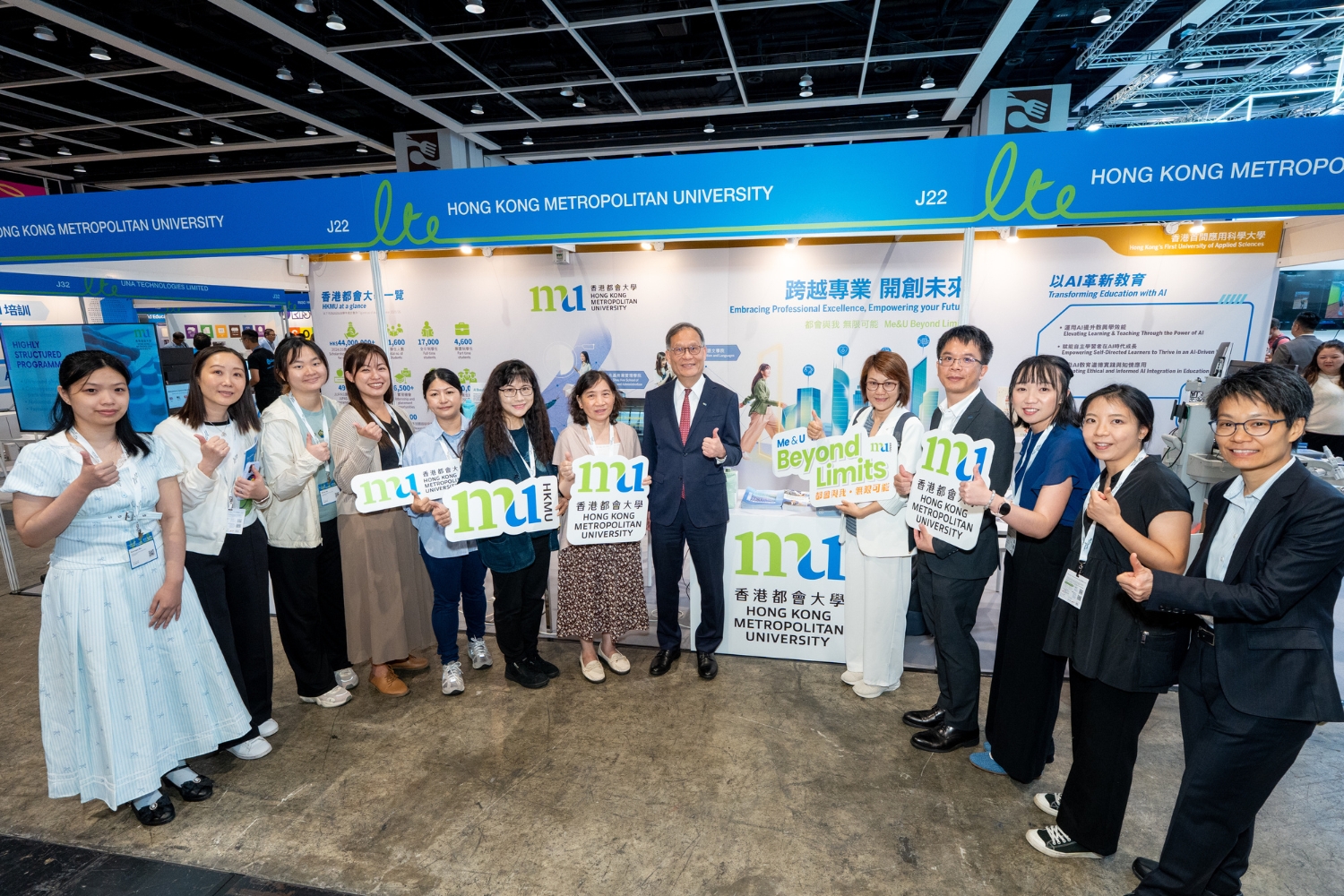
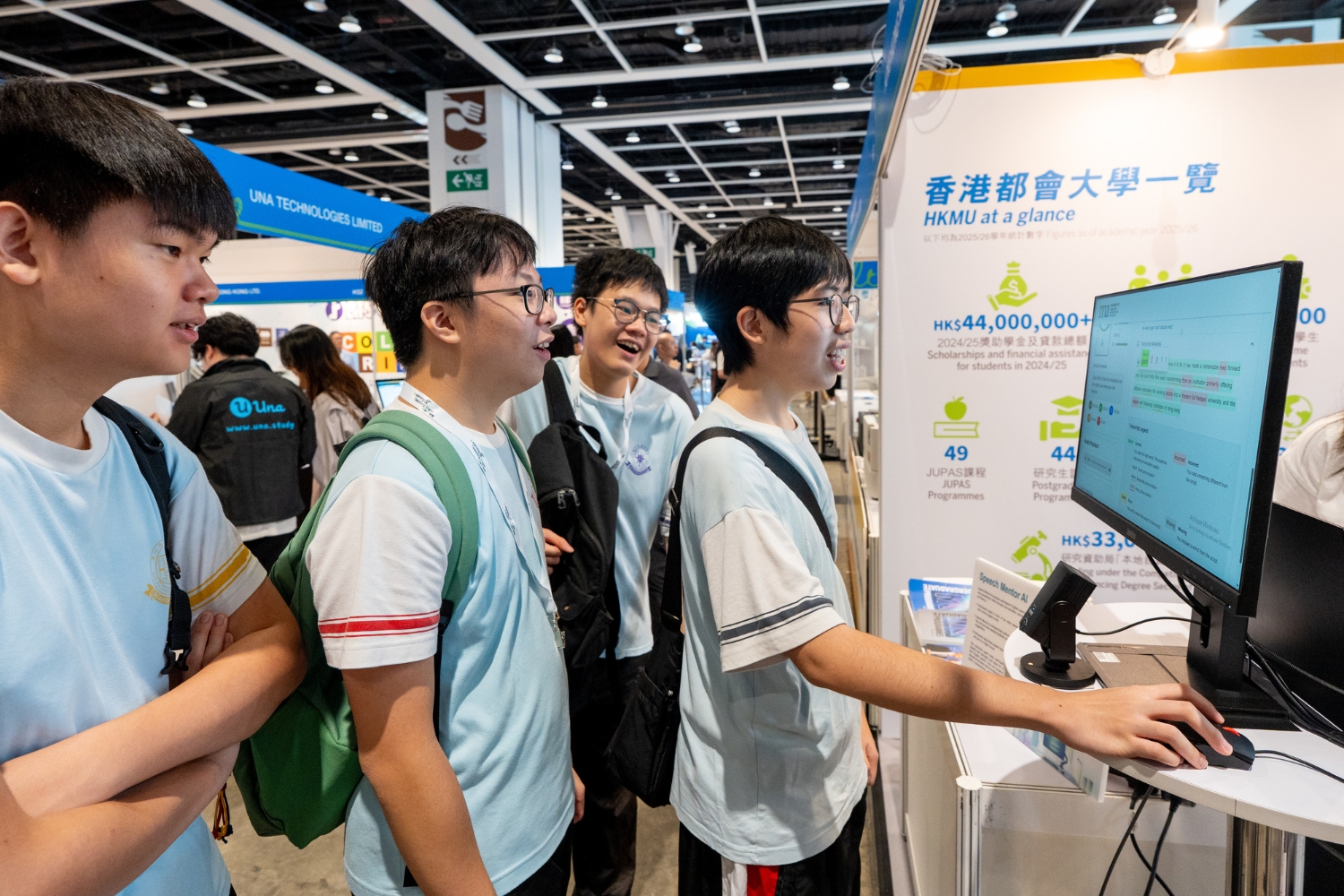
Hong Kong Metropolitan University (HKMU) is participating in the city's major annual education expo, the Learning & Teaching Expo 2026 (the Expo), from 25 to 27 June. The University is showcasing a range of innovative artificial intelligence (AI) teaching tools. During the Expo, HKMU management and teaching teams are hosting a variety of seminars, presentations and workshops to share the University's achievements and experience in promoting innovative educational technology (EdTech) and integrating emerging technologies such as AI into curriculum design and teaching practices, all aimed at enhancing teaching and learning effectiveness.
Diverse AI teaching tools to enhance learning and teaching effectiveness
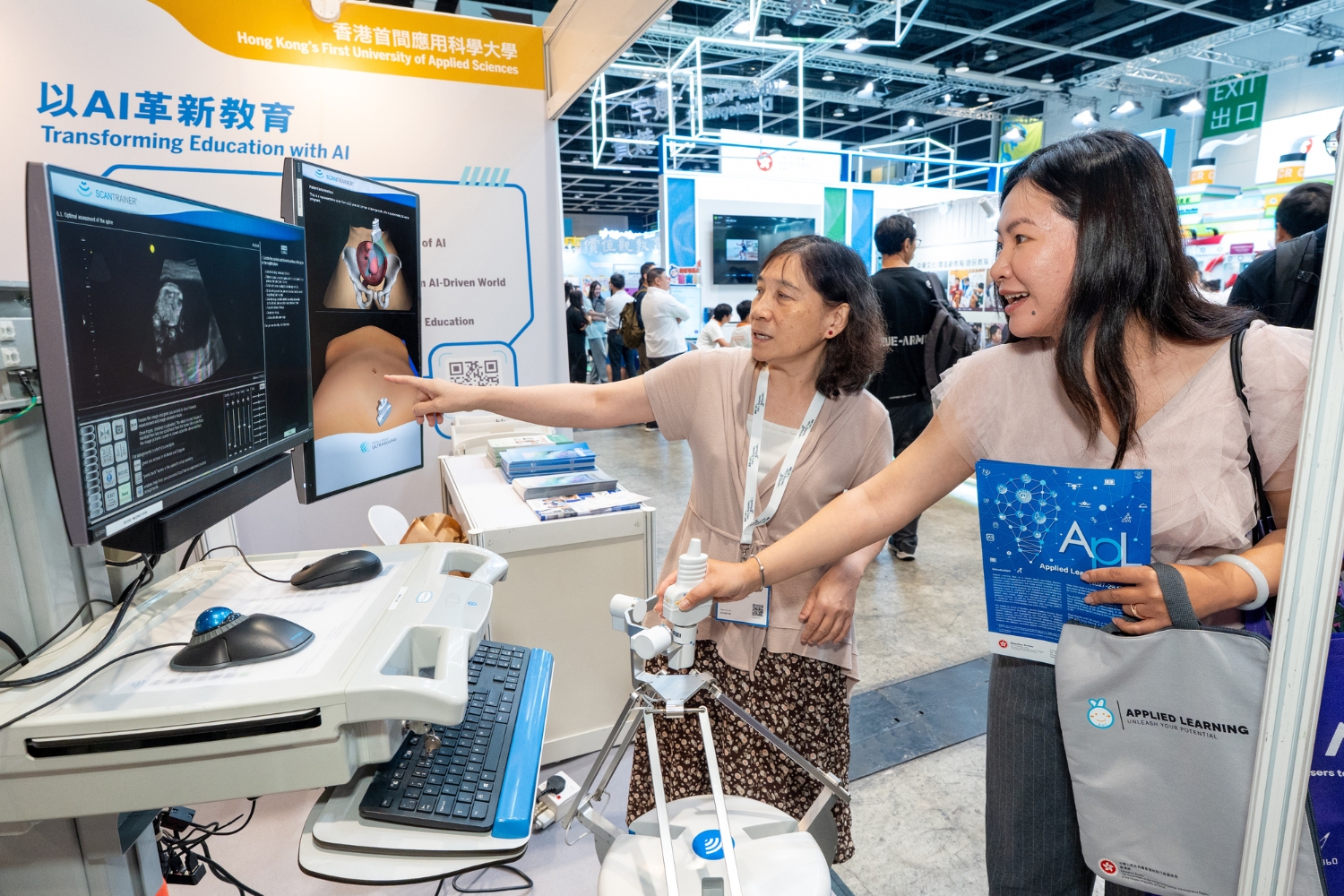
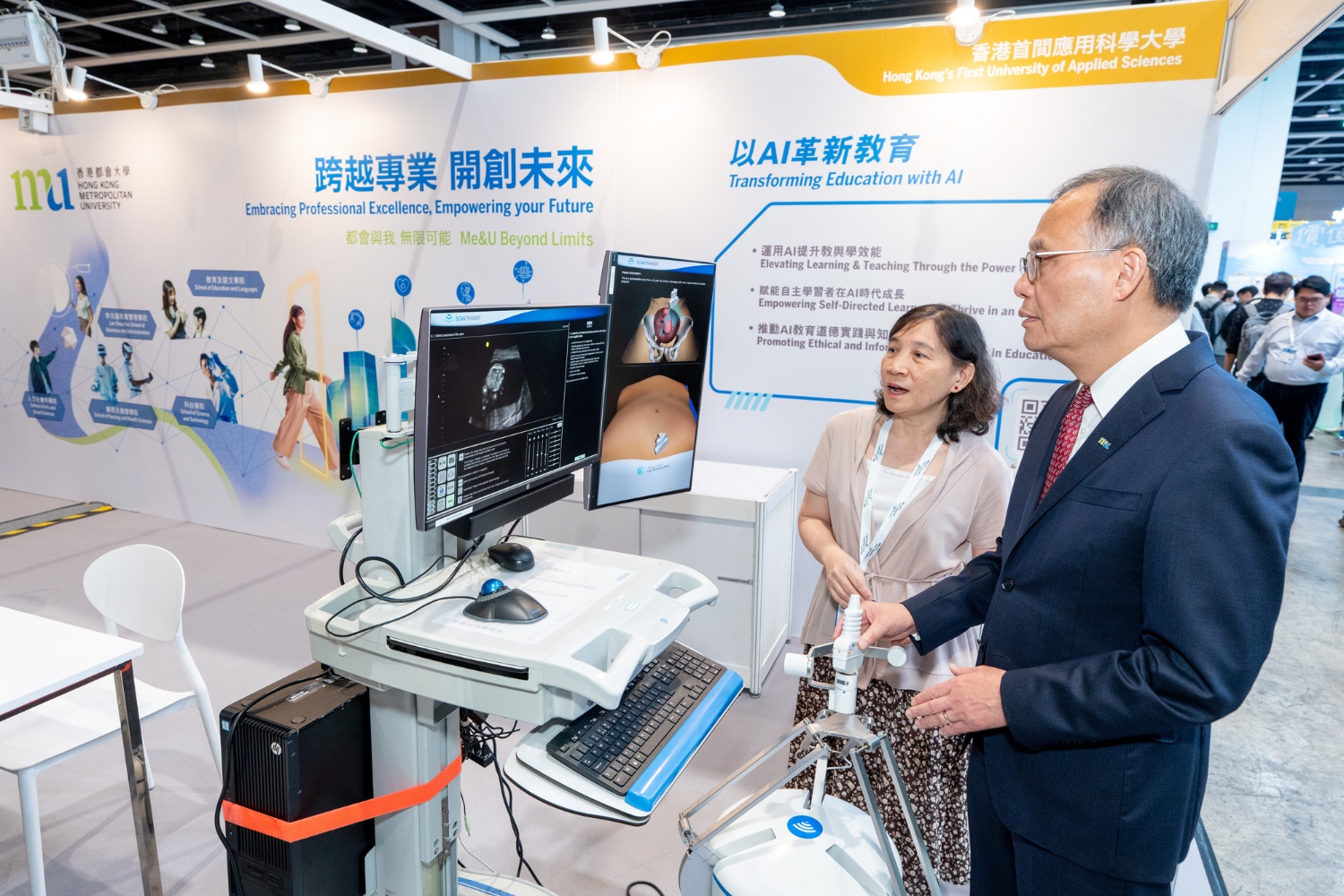
On the first day of the Expo, HKMU President Prof. Paul Lam Kwan-sing visited the University's booth to experience various innovative teaching tools adopted across its programmes. Among them, the School of Nursing and Health Sciences (N&HS) showcased “ScanTrainer, an advanced ultrasound simulation training system that uses realistic haptic feedback, 3D anatomy and guided tutorials to teach scanning techniques. This allows students to practice ultrasound scanning techniques independently, without the need for real patients or constant expert supervision.
The system will be introduced in the new Bachelor of Science with Honours in Diagnostic Radiography and Master of Science in Diagnostic Ultrasonography programmes, both of which will be launched in the 2026/27 academic year. Through highly realistic simulation training, students can build clinical competence and prepare for professional practice in diagnostic radiography and ultrasound imaging.
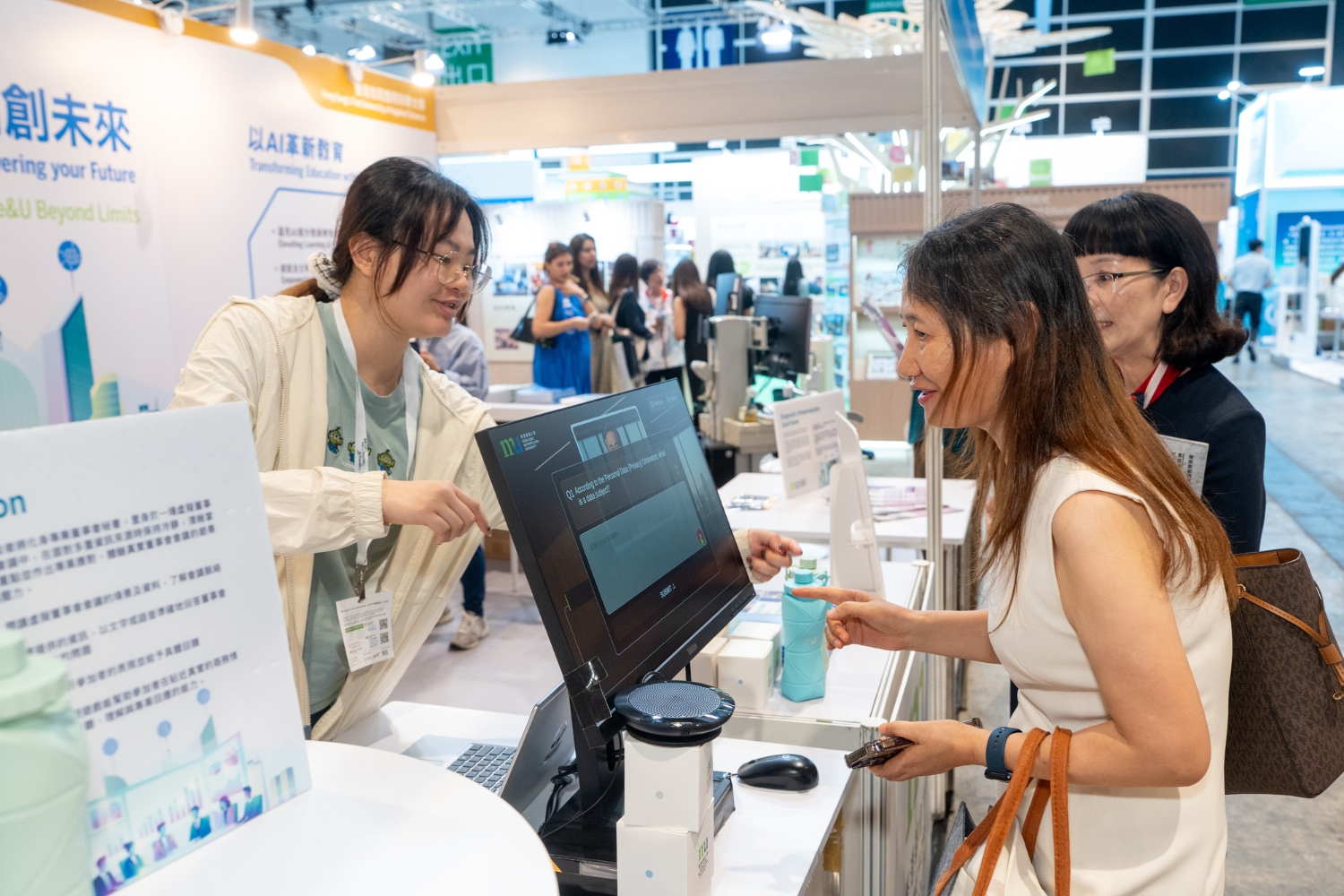
HKMU also presented “AI Boardroom Simulation”, one of the AI teaching tools developed by the Office for Advancement of Learning and Teaching (ALTO) and showcased at the Expo. Leveraging AI technology, the tool simulates real-world corporate meeting scenarios, immersing students in executive education programmes in a virtual boardroom setting. Learners take on the role of a professional secretary, responding to questions from meeting participants to demonstrate their knowledge, while receiving instant AI-generated feedback and recommendations. The Lee Shau Kee School of Business and Administration (B&A) has already applied this teaching tool into corporate governance and related programmes to deepen students' understanding of practical operations and improve teaching effectiveness.
Adaptive and personalised learning for every student
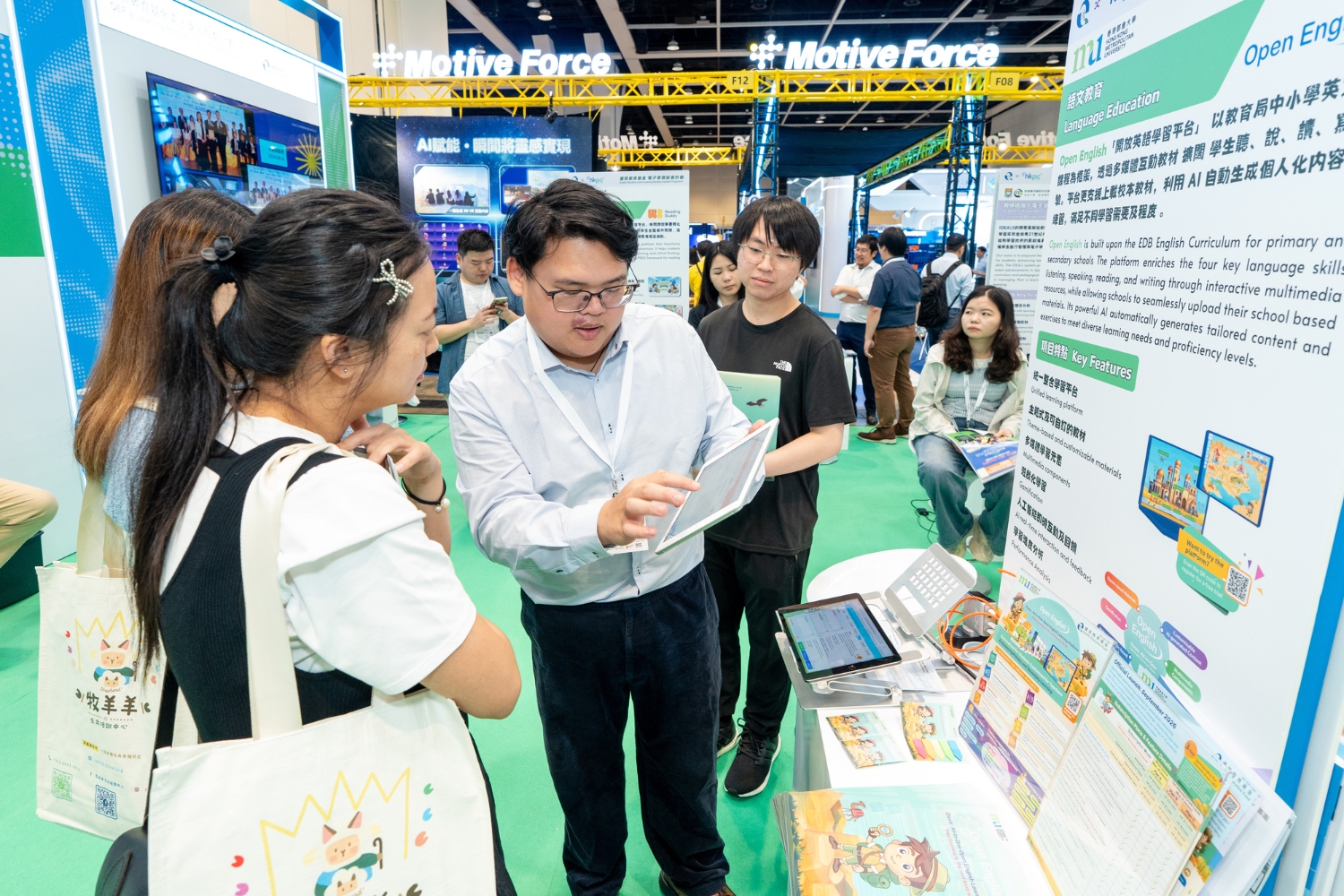
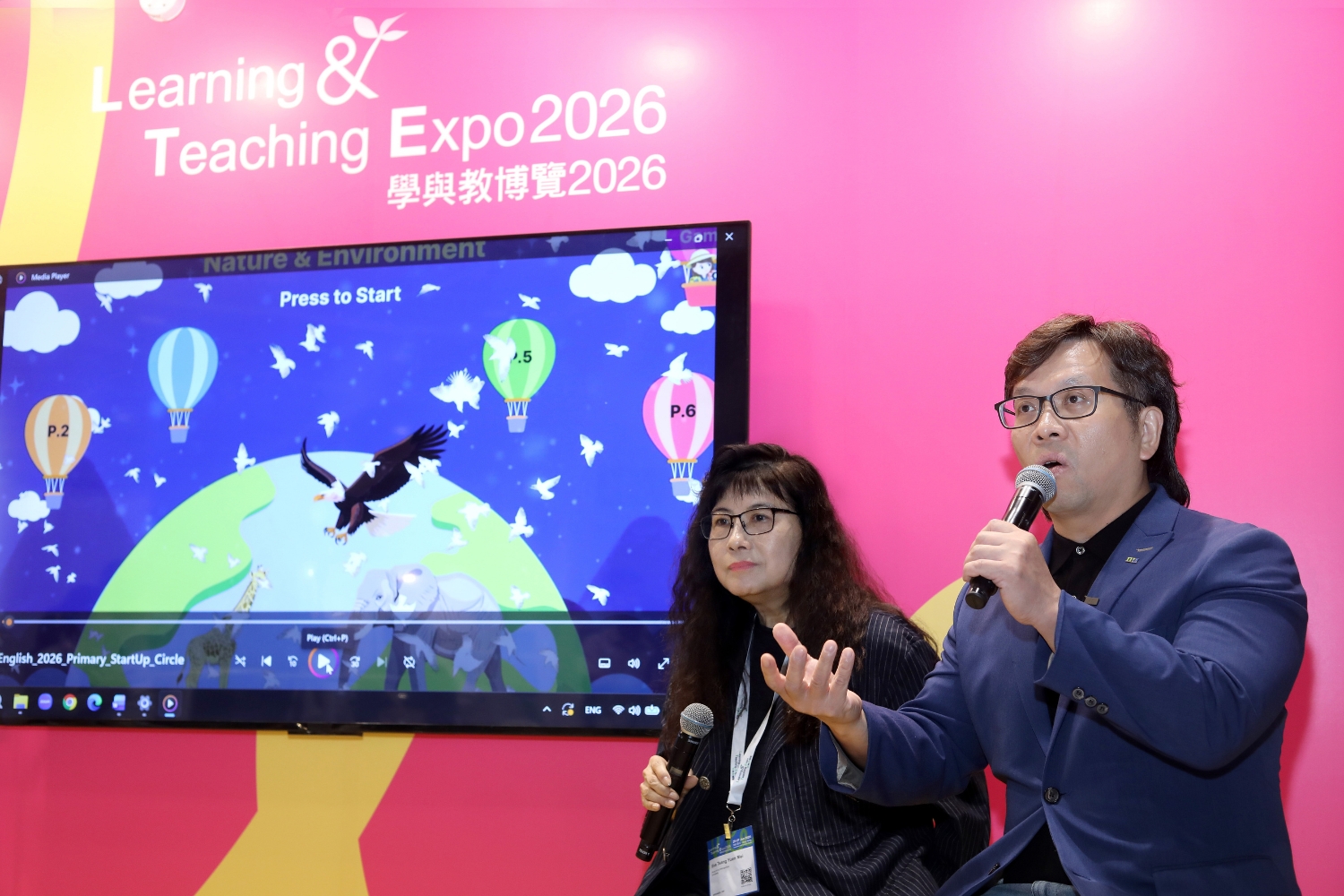
Speaking in a seminar, Prof. Ricky Kwok Yu-kwong, Vice President (Research and Institutional Advancement), highlighted that AI-driven adaptive learning can effectively address the diverse learning needs of students, significantly benefiting the education sector. Using HKMU's self-developed platforms, Open English and Reading Buddy, as examples, he explained how these AI-assisted learning systems guide students through exercises by generating prompts and providing instant feedback, enabling the students to identify and correct mistakes independently. More advanced learners are offered appropriately challenging materials to encourage continuous progress.
Prof. Kwok said, “Adaptive and personalised learning reflects the traditional educational wisdom of teaching according to each student's aptitude. Integrating this concept with AI technology allows students to progress at a suitable level and move beyond the limitations of a one-size-fits-all approach. This creates a truly flexible, open-ended learning environment, in which students can gradually build a solid foundation in English.
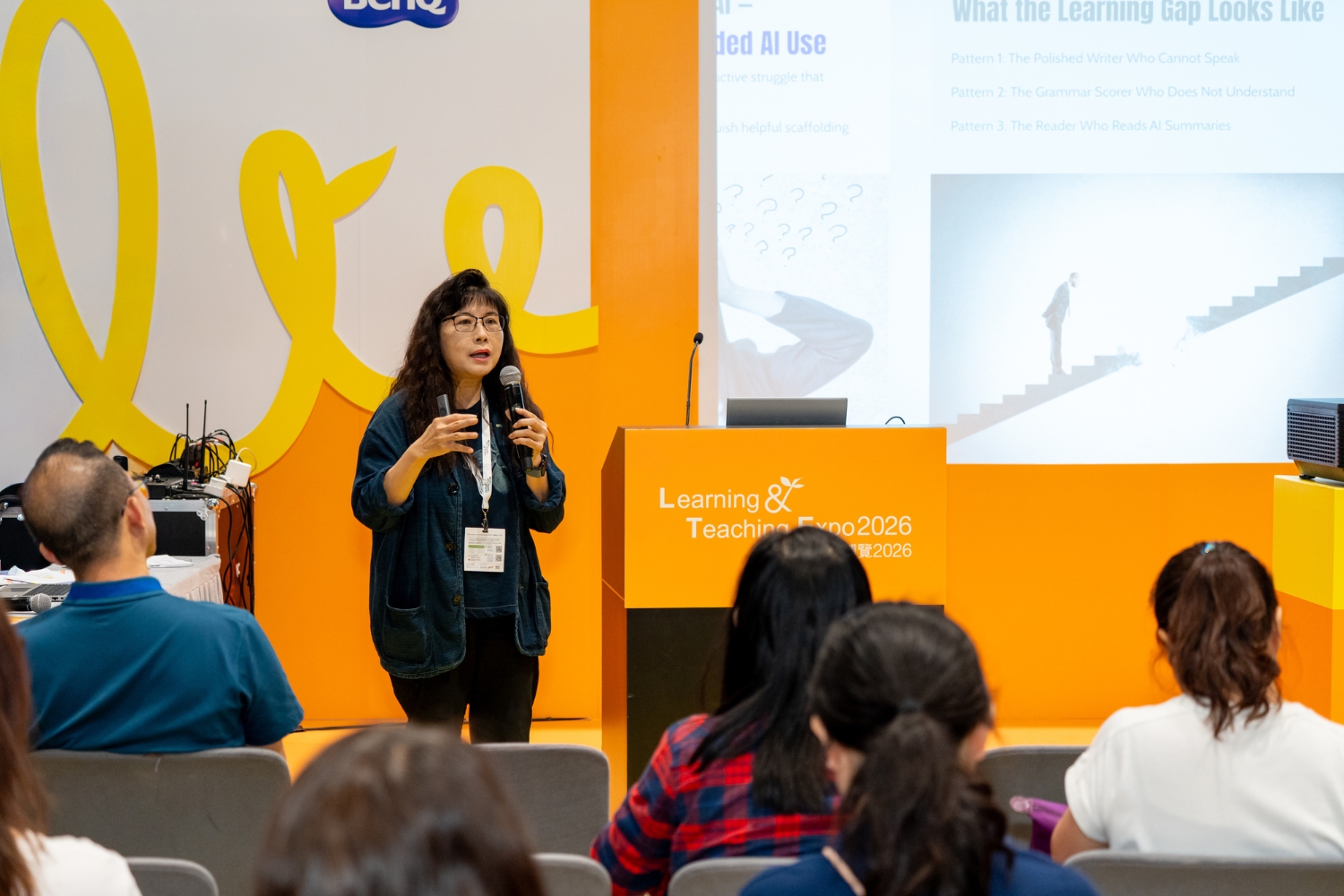
Dr Eva Tsang Yuen-mei, Associate Vice President (Strategic Initiatives) and Director of Advancement of Learning and Teaching, shared her insights on AI pedagogy. She pointed out that effective AI pedagogy is not about the quantity of smart tools used in the classroom, but rather about how teachers apply them thoughtfully to design a learning experience that fosters student autonomy. “The end goal is not merely more AI use, but better English learning with greater learner ownership,” she said.
On the final day of the Expo tomorrow (27 June), Prof. Kwok will share further insights and experience in a seminar on pedagogical strategies related to three key aspects of English learning – learning intent, strengths and weaknesses – to help teachers guide students in critically judging and utilising AI-generated feedback.
Cultivating AI-Ready Talent
Beyond advancing EdTech, HKMU places great emphasis on developing students' AI literacy and competency on all fronts. Starting in the 2026/27 academic year, the University will introduce new AI modules in two of its university core courses. Undergraduate students will be required to take the revamped courses: “Co-creating with AI: Communication and Teamwork for the Future” and “AI, Sustainability, and Entrepreneurial Leadership”. Through these initiatives, the University aims to prepare students to become “AI-ready” talent who can leverage emerging AI technologies innovatively, critically and ethically.
The three-day Expo, themed “Reimagining Education: Human-Centric, Future-Ready”, has brought together over 20,000 educators, leaders and innovators from around the world. It features more than 600 exhibition booths and is hosting over 300 keynote presentations, seminars and showcases, all sharing the latest achievements in innovative teaching and technology integration.