
HKMU School of Education and Languages hosts Symposium on Language Development in Chinese-speaking Populations with Special Needs

News HKMU School of Education and Languages hosts Symposium on Language Development in Chinese-speaking Populations with Special Needs
1

HKMU School of Education and Languages hosts Symposium on Language Development in Chinese-speaking Populations with Special Needs

News Centre

HKMU News Centre HKMU School of Education and Languages hosts Symposium on Language Development in Chinese-speaking Populations with Special Needs

HKMU School of Education and Languages hosts Symposium on Language Development in Chinese-speaking Populations with Special Needs

SHARE

Share on email
Share on facebook
Share on twitter
Share on whatsapp
Share on linkedin

The Research Institute for Bilingual Learning and Teaching (RIBiLT), under the School of Education and Languages (E&L) at Hong Kong Metropolitan University (HKMU), successfully hosted the Symposium on Language Development in Chinese-speaking Populations with Special Needs on 1-2 August. The aim of the symposium was to advance scholarly understanding, foster interdisciplinary collaboration, and promote effective interventions to support the language development of Chinese-speaking individuals with special needs. Conducted in a hybrid online-offline format, the symposium attracted over 130 participants, including experts, scholars and members of the public.

The symposium began with a welcoming address by Prof. Reggie Kwan Ching-ping, Provost of HKMU, who emphasised the significance of enhancing language development for individuals with special needs and reaffirmed the University's commitment to the unifying theme of “comprehensive health” and inclusive education to contribute positively to society.

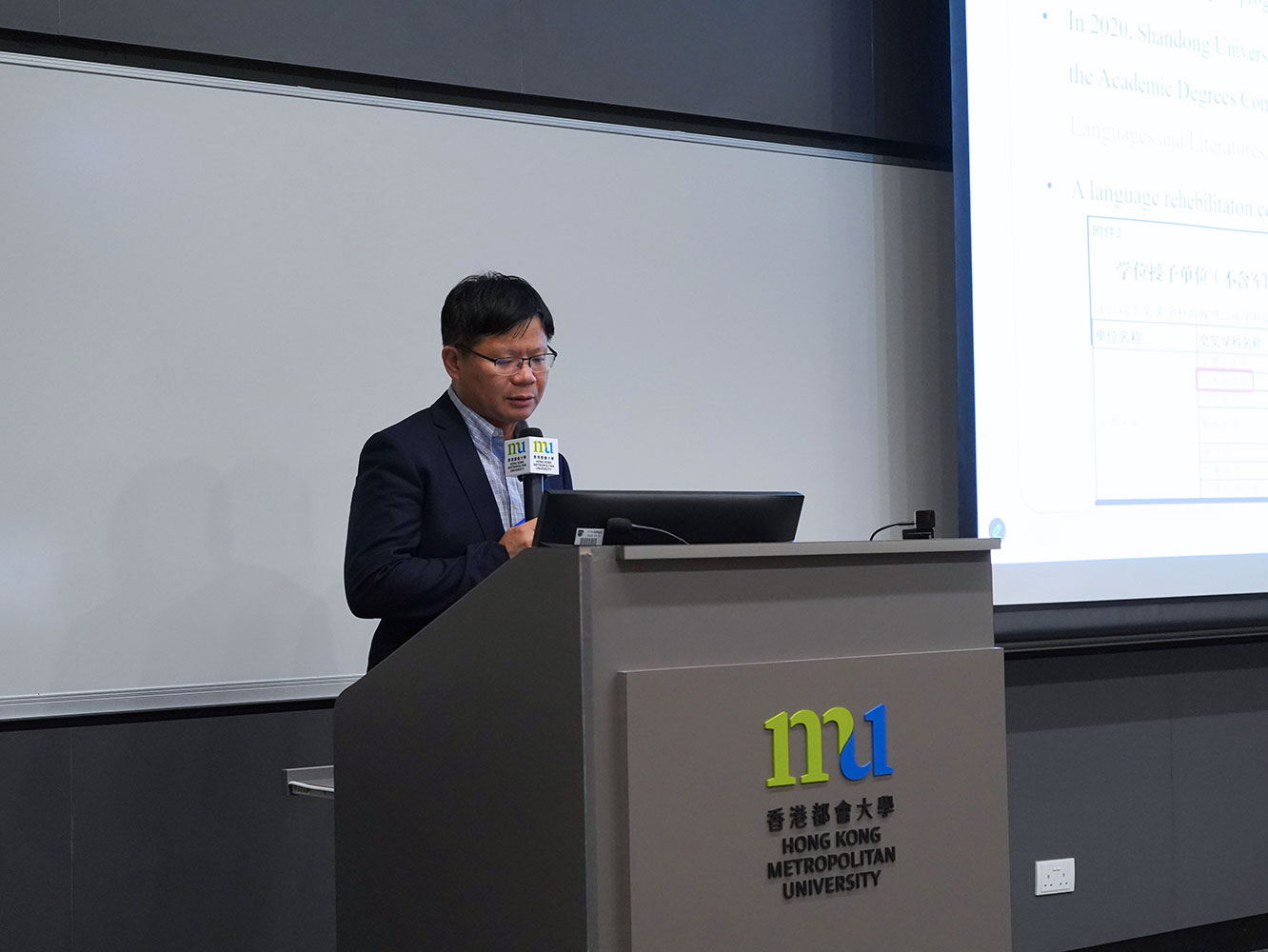
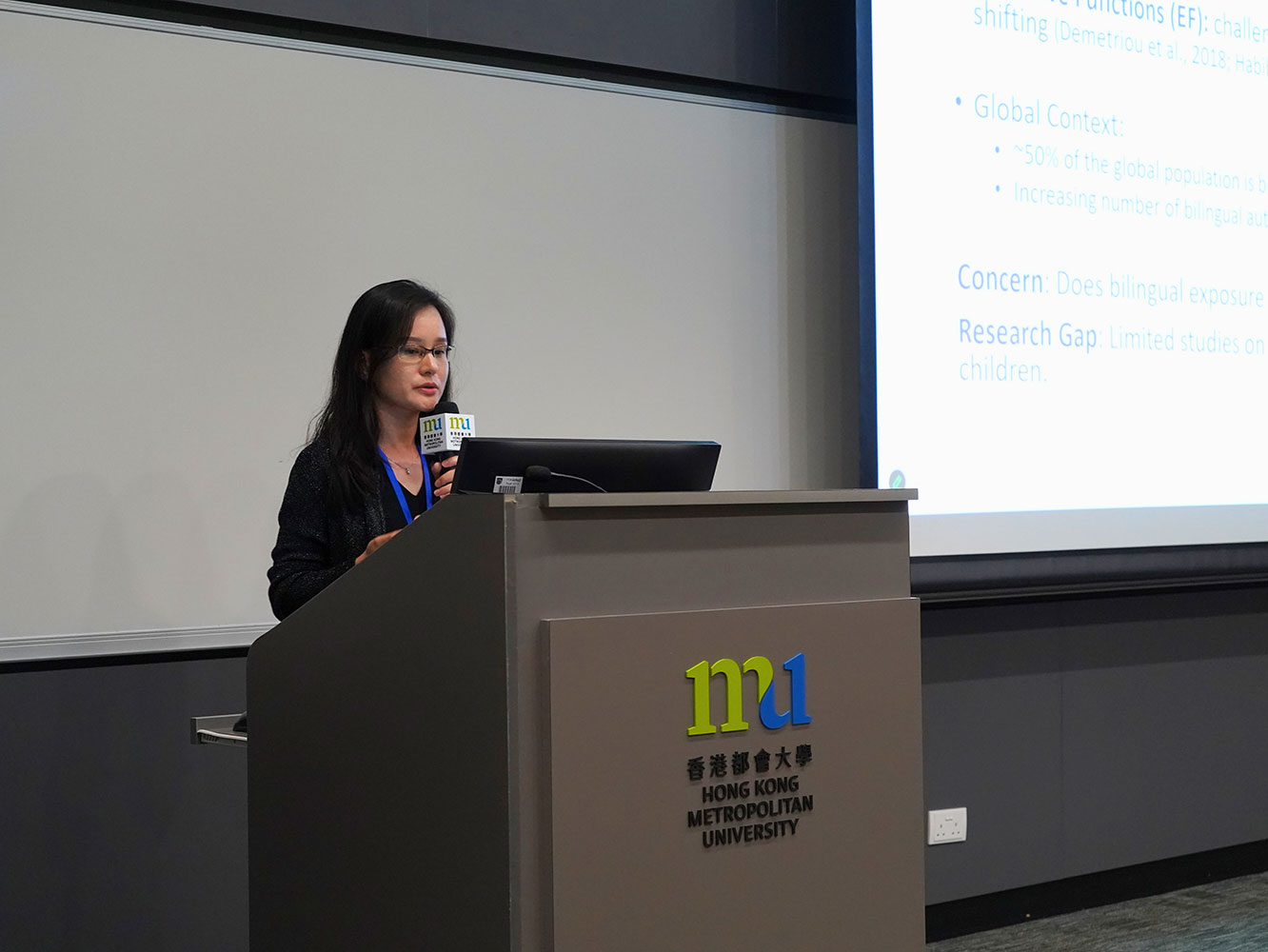
Over the two-day programme, the symposium brought together a distinguished group experts from Hong Kong, Mainland China and overseas, including academics, researchers and medical professionals, who presented their latest findings and shared valuable insights.

The symposium focused on Chinese-speaking individuals with special needs, including those with developmental language disorders, autism spectrum disorders, hearing impairments and other development challenges. Key topics included language development, intervention strategies and educational approaches tailored for Chinese-speaking learners with special needs, and theoretical and empirical advancements in understanding atypical language acquisition. The discussions also explored how cognitive and social factors influence language development in Chinese-speaking contexts.

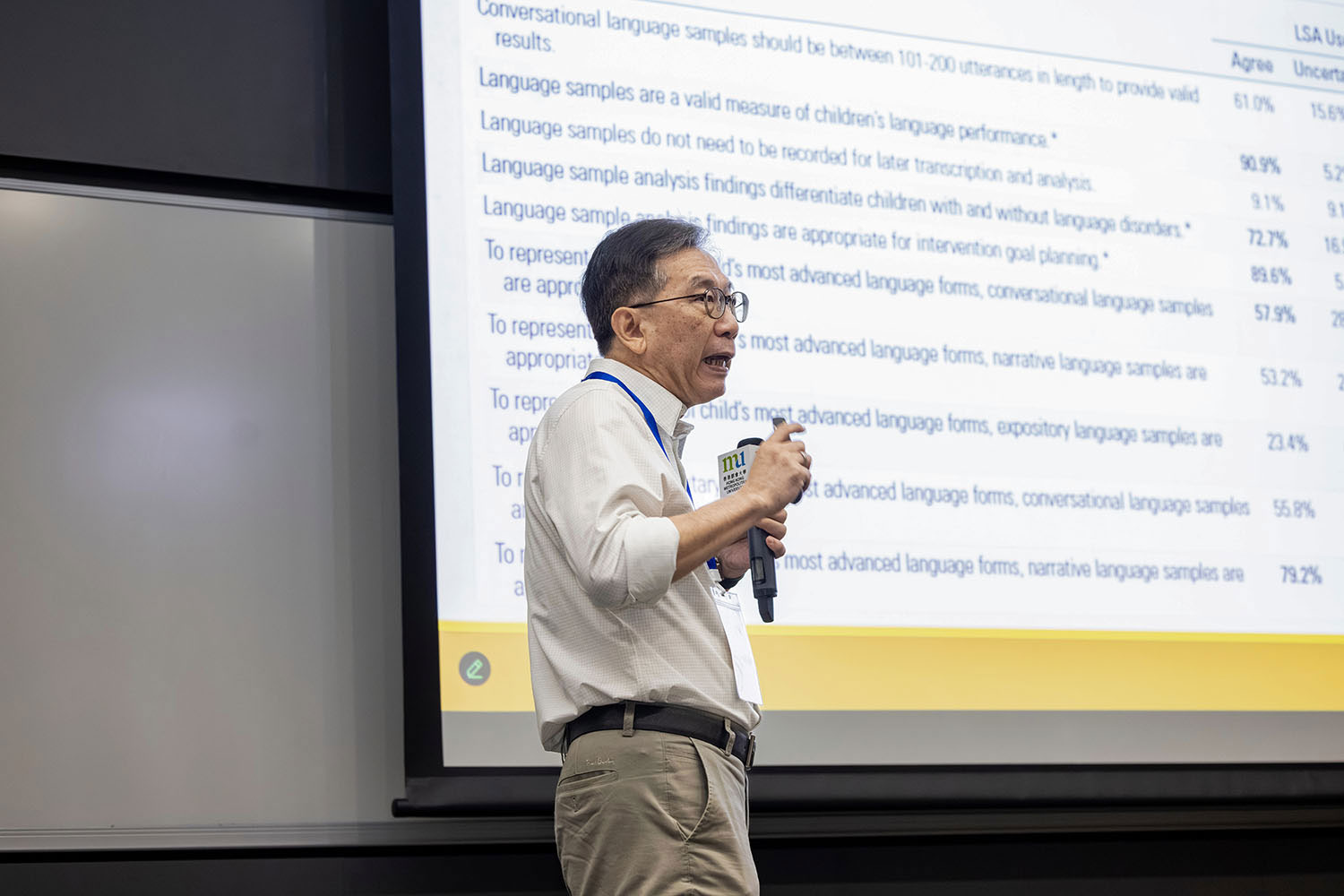
The symposium concluded with a roundtable discussion led by Prof. Thomas Lee Hun-tak, a distinguished scholar in language acquisition and Emeritus Professor in the Department of Linguistics and Modern Languages at The Chinese University of Hong Kong. The roundtable provided participants with a platform to synthesise key findings, exchange perspectives and explore opportunities for future research and collaboration.

The event underscored the E&L's commitment to addressing service gaps for individuals with special needs and advancing inclusive education and social equity through research and practice.

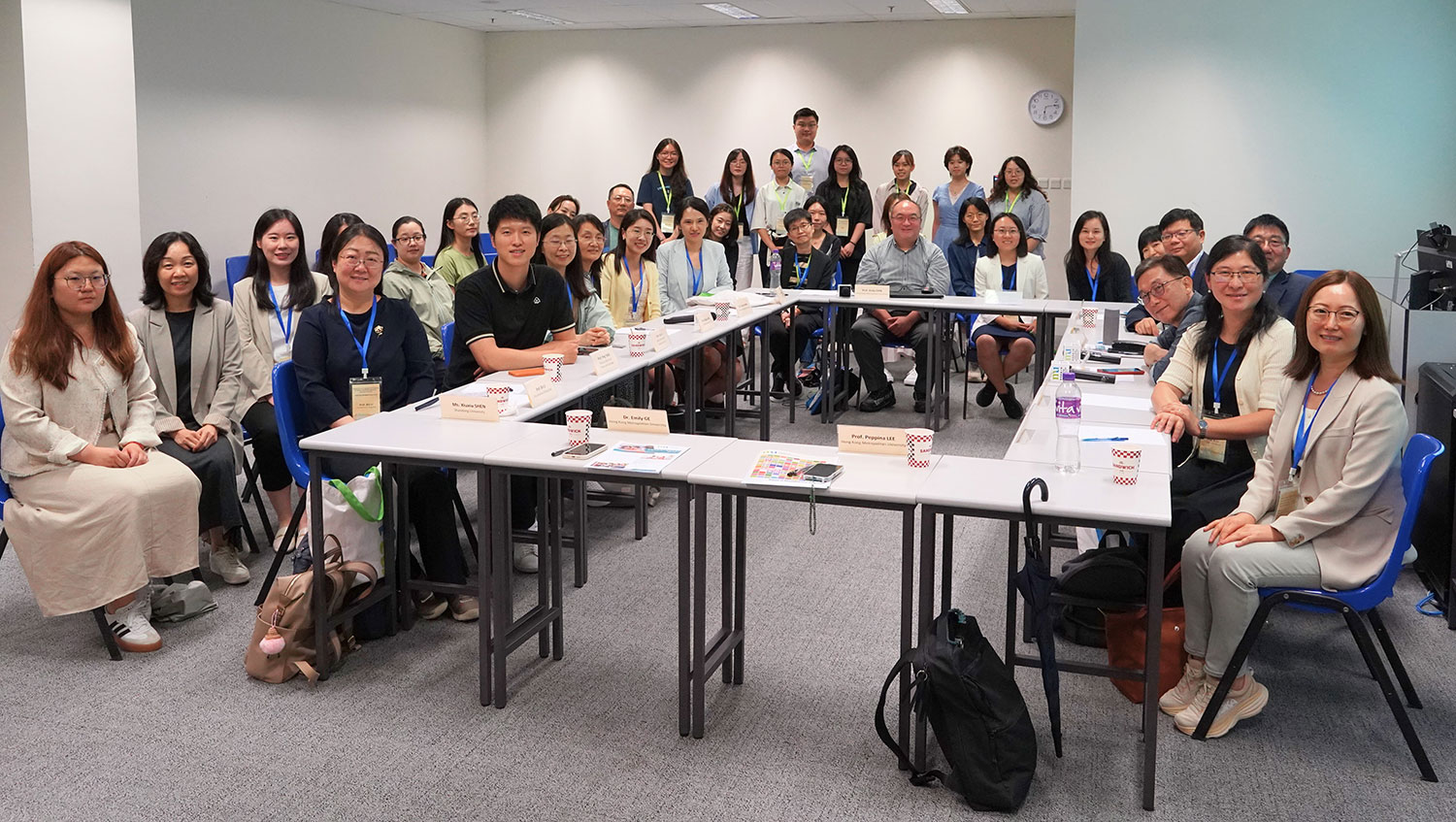
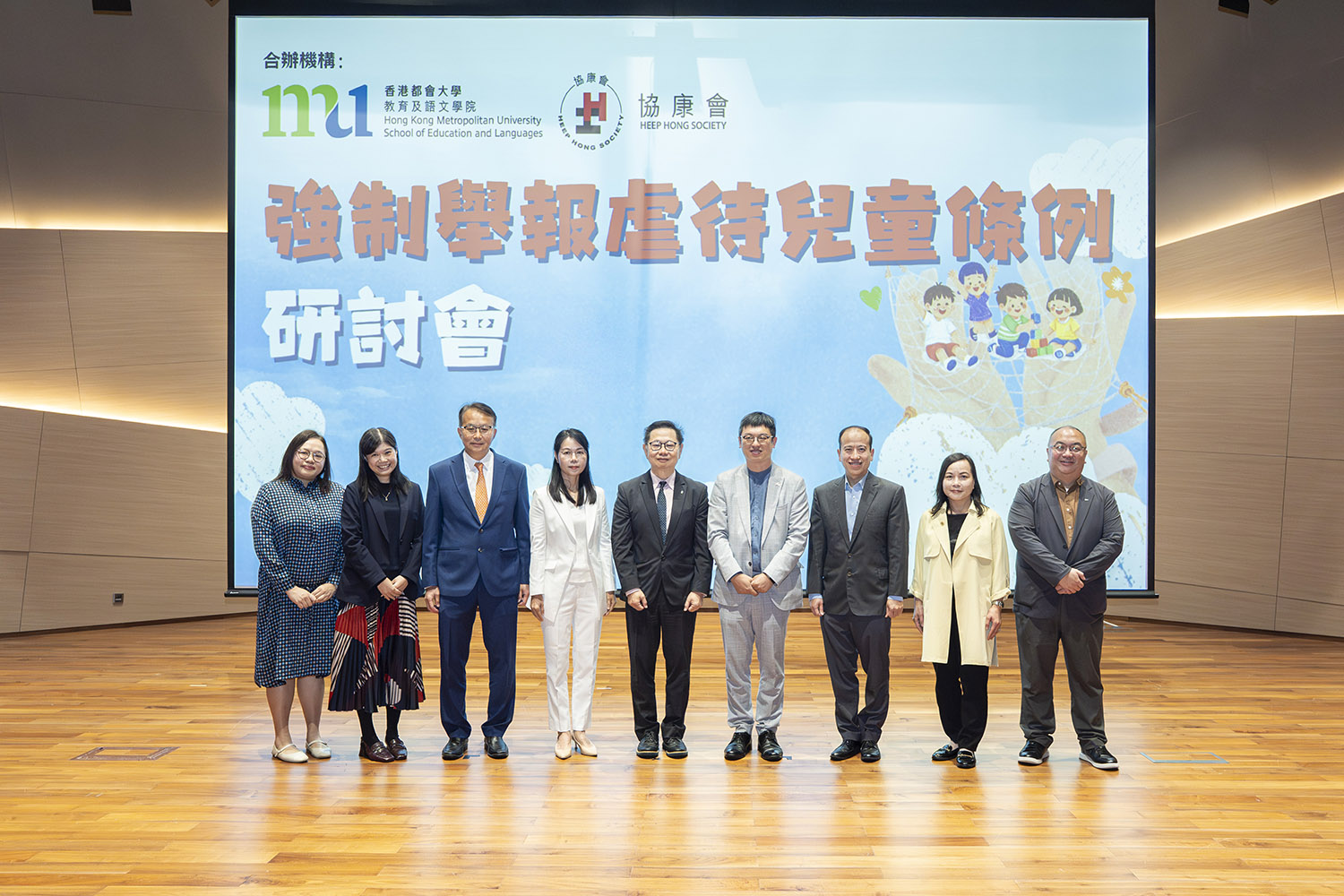
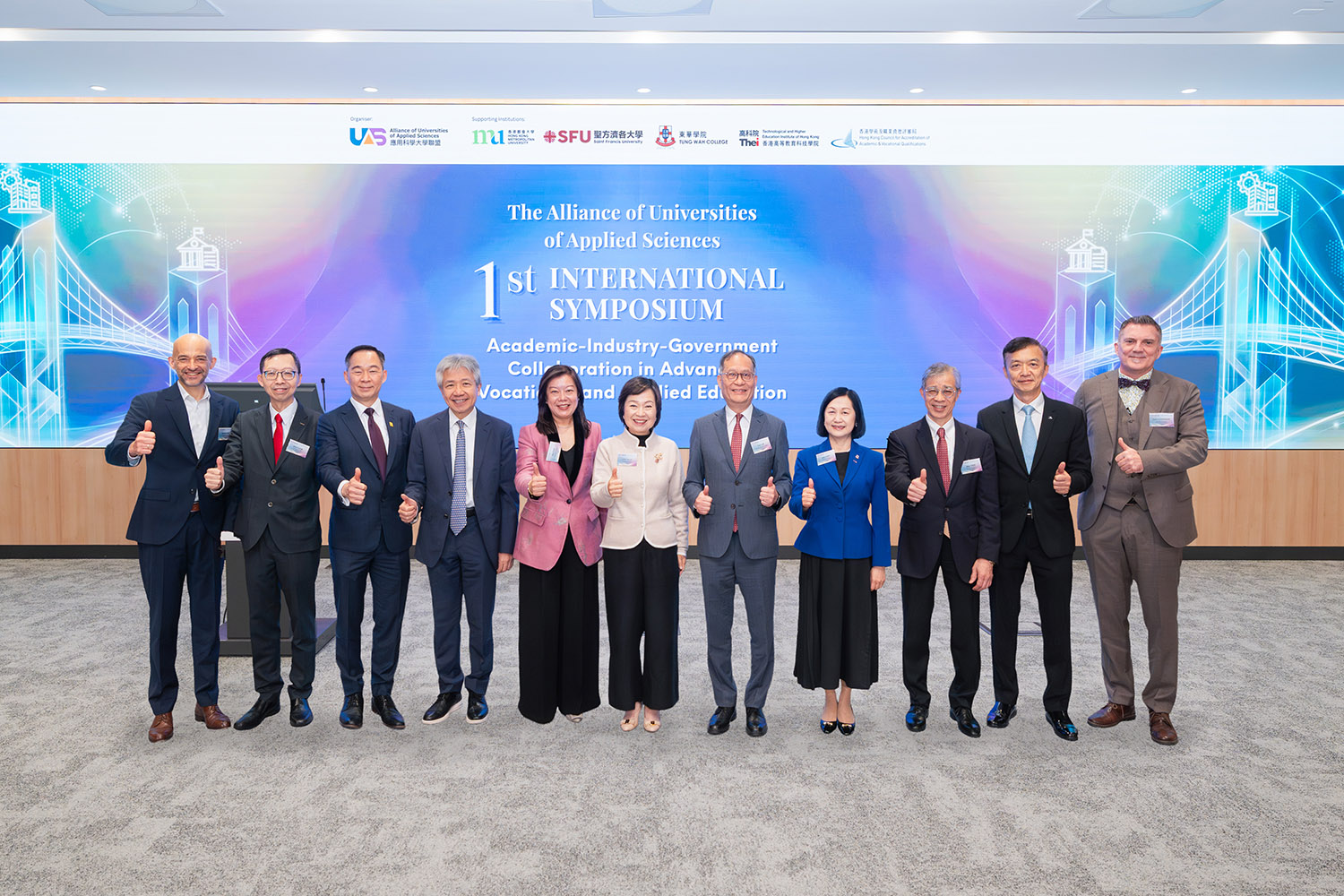
Prof. Reggie Kwan Ching-ping (front row, seventh from right), Provost of HKMU; Prof. Andy Chin Chi-on (front row, seventh from left), Dean of E&L; along with experts, scholars, guests and faculty members of E&L.

The Research Institute for Bilingual Learning and Teaching (RIBiLT), under the School of Education and Languages (E&L) at Hong Kong Metropolitan University (HKMU), successfully hosted the Symposium on Language Development in Chinese-speaking Populations with Special Needs on 1-2 August. The aim of the symposium was to advance scholarly understanding, foster interdisciplinary collaboration, and promote effective interventions to support the language development of Chinese-speaking individuals with special needs. Conducted in a hybrid online-offline format, the symposium attracted over 130 participants, including experts, scholars and members of the public.

The symposium began with a welcoming address by Prof. Reggie Kwan Ching-ping, Provost of HKMU, who emphasised the significance of enhancing language development for individuals with special needs and reaffirmed the University's commitment to the unifying theme of “comprehensive health” and inclusive education to contribute positively to society.

Over the two-day programme, the symposium brought together a distinguished group experts from Hong Kong, Mainland China and overseas, including academics, researchers and medical professionals, who presented their latest findings and shared valuable insights.

The symposium focused on Chinese-speaking individuals with special needs, including those with developmental language disorders, autism spectrum disorders, hearing impairments and other development challenges. Key topics included language development, intervention strategies and educational approaches tailored for Chinese-speaking learners with special needs, and theoretical and empirical advancements in understanding atypical language acquisition. The discussions also explored how cognitive and social factors influence language development in Chinese-speaking contexts.

The symposium concluded with a roundtable discussion led by Prof. Thomas Lee Hun-tak, a distinguished scholar in language acquisition and Emeritus Professor in the Department of Linguistics and Modern Languages at The Chinese University of Hong Kong. The roundtable provided participants with a platform to synthesise key findings, exchange perspectives and explore opportunities for future research and collaboration.

The event underscored the E&L's commitment to addressing service gaps for individuals with special needs and advancing inclusive education and social equity through research and practice.

RELATED NEWS

RELATED TOPICS

CATEGORY

FEATURED TOPICS

YEARS

MORE HKMU

SIGN UP FOR OUR LATEST NEWS