





HKMU International Symposium explores new trends in TESOL: Humanistic technology driving English teaching

News HKMU International Symposium explores new trends in TESOL: Humanistic technology driving English teaching
1

HKMU International Symposium explores new trends in TESOL: Humanistic technology driving English teaching

News Centre

HKMU News Centre HKMU International Symposium explores new trends in TESOL: Humanistic technology driving English teaching

HKMU International Symposium explores new trends in TESOL: Humanistic technology driving English teaching

SHARE

Share on email
Share on facebook
Share on twitter
Share on whatsapp
Share on linkedin

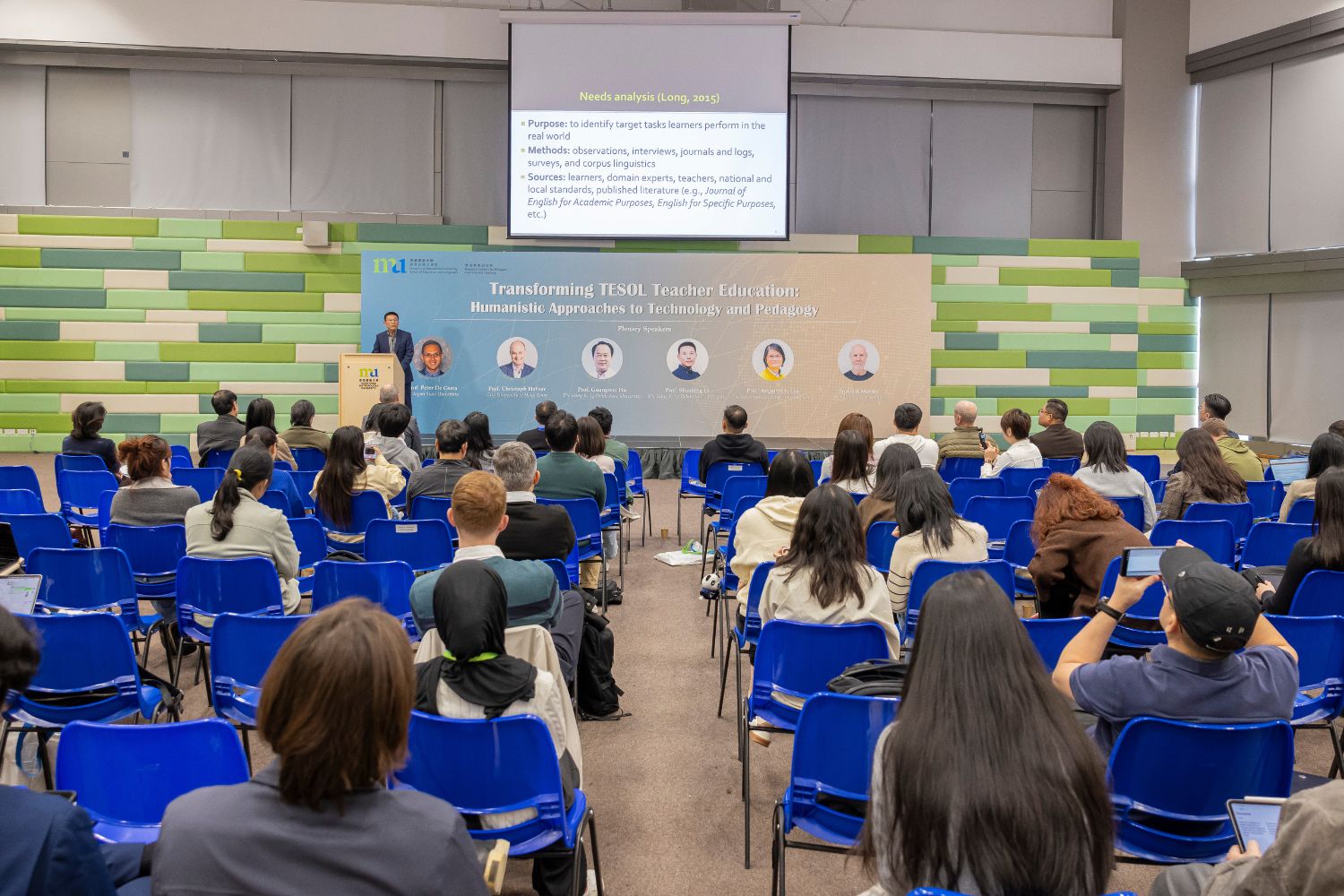
The Research Institute for Bilingual Learning and Teaching (RIBiLT), under the School of Education and Languages (E&L) at Hong Kong Metropolitan University (HKMU), successfully hosted the International Symposium titled “Transforming TESOL Teacher Education: Humanistic Approaches to Technology and Pedagogy” on 20 and 21 January. Held in a hybrid online-offline format, the symposium attracted over 500 participants from more than 10 countries and regions, including the Chinese Mainland, the UK, the US, Australia, Southeast Asia and Hong Kong. The symposium explored the integration of educational technology, fostering teacher well-being and advancing pedagogical practices.

In his opening remarks, Prof. Reggie Kwan Ching-ping, Provost of HKMU, emphasised the importance of humanistic approaches in navigating the rapid evolution of technology in education. He expressed hope that by combining the strengths of technology with a human touch, educators can better address future challenges. Prof. Andy Chin Chi-on, Dean of E&L, thanked all the speakers for their inspiring and transformative talks, stating, “The ideas shared by the speakers will undoubtedly inspire educators worldwide to uphold a human-centred teaching philosophy in an increasingly digital landscape.”

The symposium fostered cross-regional academic networking and collaboration. Six renowned scholars were invited as keynote speakers, sharing cutting-edge research and hosting thematic workshops:

  • AI ethics and digital literacy: Angel Lin Mei-yi, from The Education University of Hong Kong, discussed ethical uses of generative AI through her PAA Model (Plurilingualism, Affect, Agency). Prof. Christoph Hafner, from City University of Hong Kong, re-examined digital multimodal composing in the AI era.
  • Classroom pedagogy: Guangwei Hu, from The Hong Kong Polytechnic University (PolyU), presented a framework for productive questioning in EMI (English Medium of Instruction) classrooms; PolyU Prof. Li Shaofeng shared his insights on task-based language teaching; and Prof. J. R. Martin, from The University of Sydney, analysed pedagogic discourse using Systemic Functional Linguistics.
  • Teacher well-being: Peter De Costa, from Michigan State University, led sessions on promoting teacher well-being through research-practice-reflection dialogues.

The symposium provided practical teacher tools, fostered reflective discussions and strengthened academic exchange, advancing TESOL scholarship and further consolidating HKMU's position as a hub for innovative language education.

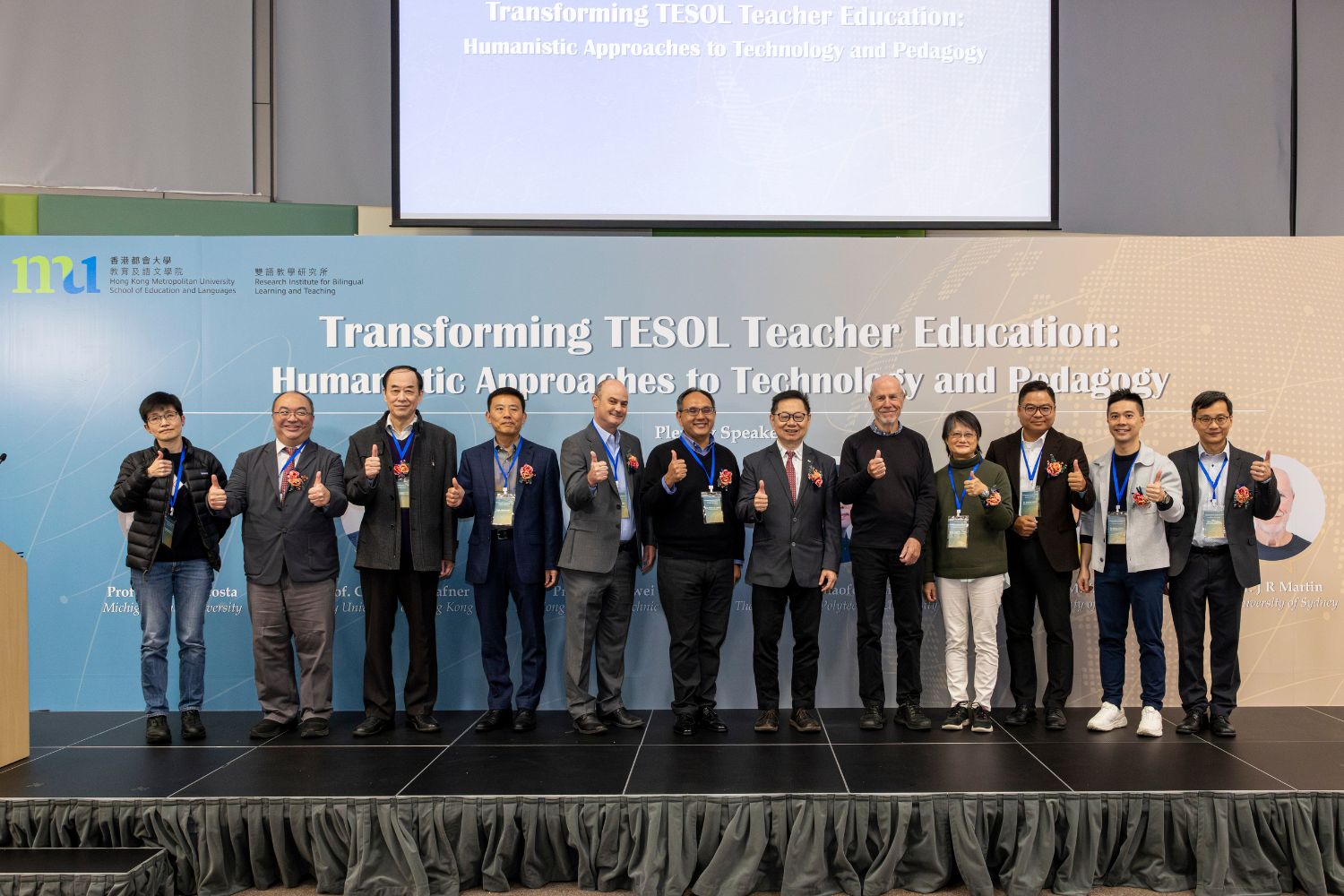
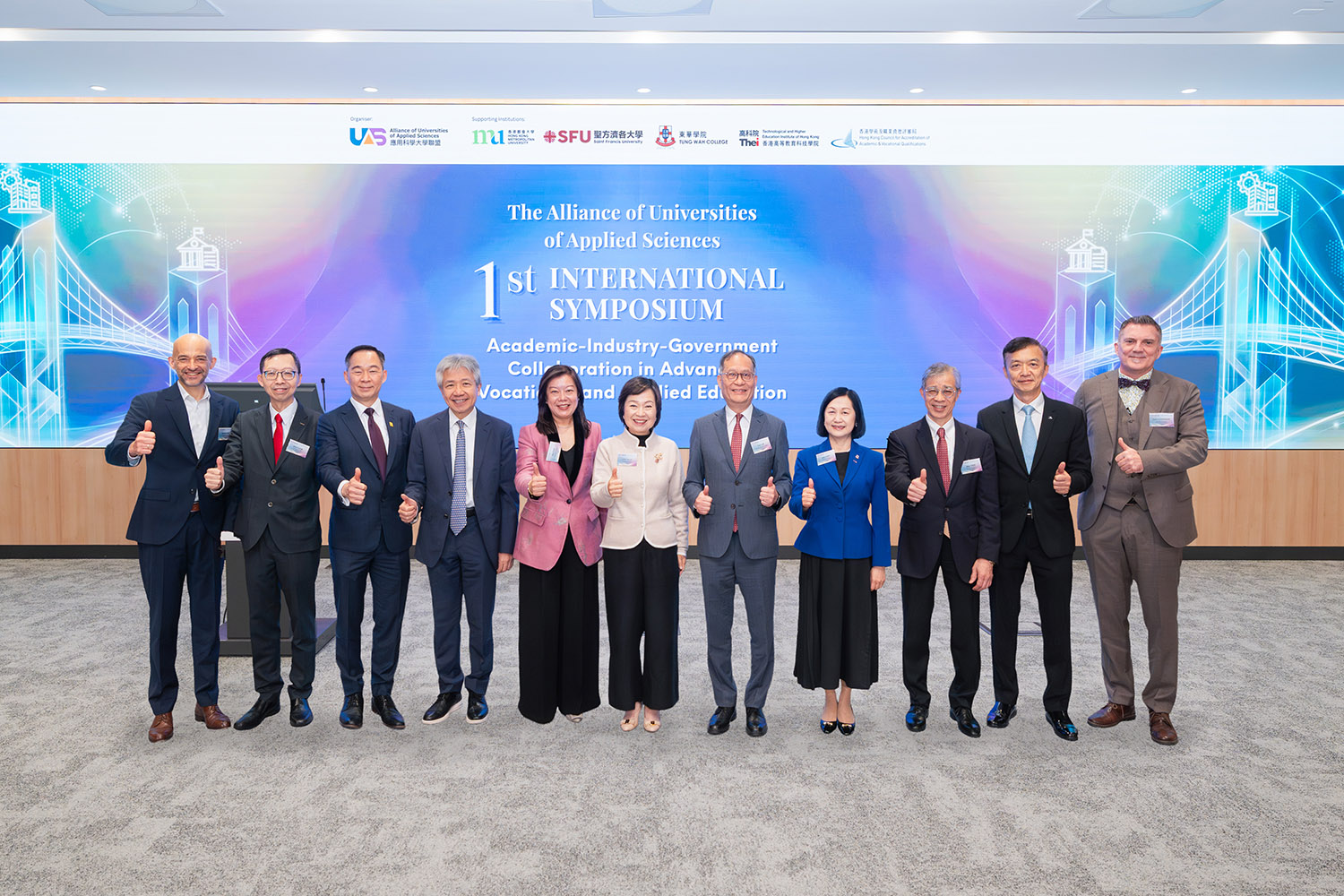
Prof. Reggie Kwan Ching-ping (sixth right), Provost of HKMU; Prof. Andy Chin Chi-on (second left), Dean of E&L; along with experts and faculty members from E&L.

The Research Institute for Bilingual Learning and Teaching (RIBiLT), under the School of Education and Languages (E&L) at Hong Kong Metropolitan University (HKMU), successfully hosted the International Symposium titled “Transforming TESOL Teacher Education: Humanistic Approaches to Technology and Pedagogy” on 20 and 21 January. Held in a hybrid online-offline format, the symposium attracted over 500 participants from more than 10 countries and regions, including the Chinese Mainland, the UK, the US, Australia, Southeast Asia and Hong Kong. The symposium explored the integration of educational technology, fostering teacher well-being and advancing pedagogical practices.

In his opening remarks, Prof. Reggie Kwan Ching-ping, Provost of HKMU, emphasised the importance of humanistic approaches in navigating the rapid evolution of technology in education. He expressed hope that by combining the strengths of technology with a human touch, educators can better address future challenges. Prof. Andy Chin Chi-on, Dean of E&L, thanked all the speakers for their inspiring and transformative talks, stating, “The ideas shared by the speakers will undoubtedly inspire educators worldwide to uphold a human-centred teaching philosophy in an increasingly digital landscape.”

The symposium fostered cross-regional academic networking and collaboration. Six renowned scholars were invited as keynote speakers, sharing cutting-edge research and hosting thematic workshops:

  • AI ethics and digital literacy: Angel Lin Mei-yi, from The Education University of Hong Kong, discussed ethical uses of generative AI through her PAA Model (Plurilingualism, Affect, Agency). Prof. Christoph Hafner, from City University of Hong Kong, re-examined digital multimodal composing in the AI era.
  • Classroom pedagogy: Guangwei Hu, from The Hong Kong Polytechnic University (PolyU), presented a framework for productive questioning in EMI (English Medium of Instruction) classrooms; PolyU Prof. Li Shaofeng shared his insights on task-based language teaching; and Prof. J. R. Martin, from The University of Sydney, analysed pedagogic discourse using Systemic Functional Linguistics.
  • Teacher well-being: Peter De Costa, from Michigan State University, led sessions on promoting teacher well-being through research-practice-reflection dialogues.

The symposium provided practical teacher tools, fostered reflective discussions and strengthened academic exchange, advancing TESOL scholarship and further consolidating HKMU's position as a hub for innovative language education.

RELATED NEWS

RELATED TOPICS

CATEGORY

FEATURED TOPICS

YEARS

MORE HKMU

SIGN UP FOR OUR LATEST NEWS