The OUHK has always been involved in research initiatives, pioneering new thinking in applied teaching and learning. In recent years it has embarked on an ambitious expansion of its research scope, driven by significant boosts in its external research funding. In 2019/20, the scope, variety and usefulness of its many research activities and outputs saw it emerge as a full-fledged university with a vigorous and ever-growing research culture.
New impetus to research endeavours
Government support for the OUHK mission
In Hong Kong, an important measure of research progress for any institution is its success in each annual round of grants made by the Government’s Research Grants Council (RGC). The OUHK has made remarkable progress in winning RGC grants in recent years, and this year has been no exception. Indeed, of the 14 eligible institutions for grants under the RGC’s Local Self-financing Degree Sector in 2019/20, the University once again emerged as number one in terms of total grant amounts, securing HK$21 million for a total of 17 different projects. This brings its cumulative research grant total to almost HK$87 million, a figure that reinforces the OUHK’s new status as a dynamic research-active institution committed to knowledge-building.
Pushing ahead with quality enhancement initiatives
The powerful positive impact of the University’s Quality Enhancement Measures (QEM) on student learning experience has already been surveyed in Chapter 4 of this review. But this is not the only area in which the QEM has made a big difference. Apart from the three student-focused QEM areas, there is also a fourth, ‘research endeavours’, under which the University aims to significantly boost the scope and quality of its applied research activity. When the QEM were launched in 2017/18, funds were budgeted for hiring academic consultants, and this initiative was expanded in 2019/20 with money being made available for the hiring of Research Assistant Professors. These academics have as their remit to engage primarily in research activities, and the QEM funds are enabling all the University’s Schools to have some on staff. Already their work is being shared in research seminars, and their input is proving vital in creating high quality research grant proposals.
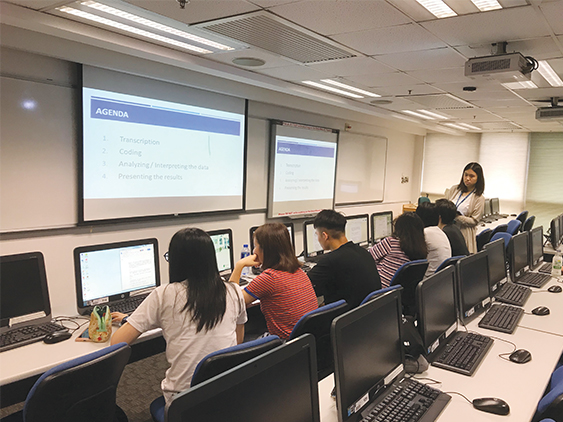
QEM funding has also been used by the School of Science and Technology to acquire high performance computing hardware for research purposes, along with other basic research equipment and consumables for junior staff. These are acquisitions that are making it easier for staff to engage in research, and to share their work with colleagues. In 2019/20, the School also introduced a new Undergraduate Research Scheme and PhD/MPhil Teaching Assistant Scheme specifically aimed at training students in research techniques, with an eye on further expanding the amount of research-focused work that takes place on campus. Similarly, the Schools of Arts and Social Sciences has recently introduced an Undergraduate Social Research Training Programme that gives social science undergraduate students the opportunity to try their hand at research under the supervision of experienced academics.

A whole world of vibrant research activity
Science and technology
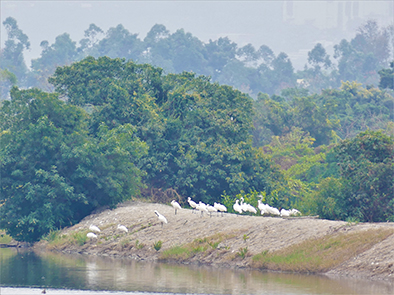
Applying advanced science to real-world problems has been a recipe for RGC success for the OUHK. Ongoing environmental science initiatives around local coastal wetlands recently bore fruit with the winning of an Institutional Development Scheme (IDS) Research Infrastructure Grant for HK$9.3 million, which will enable the University to set up a new centre for coastal wetland research in the Greater Bay Area. This represents an important step forward in understanding and preserving vital coastal wetlands, which function as important natural filters and purifying agents as well as unique habitat for many kinds of wildlife. This environmental research builds on earlier work that is ongoing, such researchers working on investigating and finding solutions for the ‘red tides’ or deadly algal blooms that can devastate marine life. Other significant grants of the year included a Faculty Development Scheme (FDS) grant for over HK$1.6 million for ‘Online Topic Modelling with Applications to Fine-grained Sentiment Analysis’, and more than HK$1.2 million for ‘Microbiological and Metagenomic Analysis of the Microbiome and Antibiotics Resistance Genes in Manure from Organic Farms (Phase 1)’.
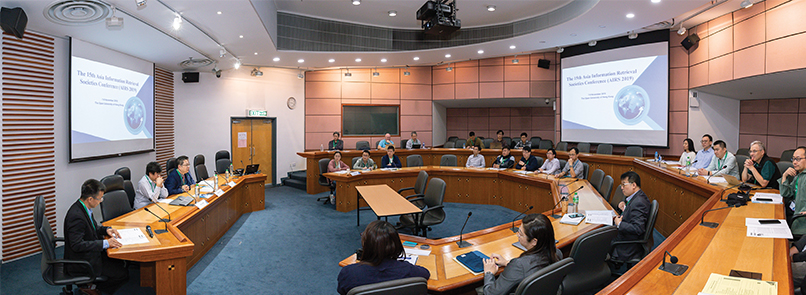
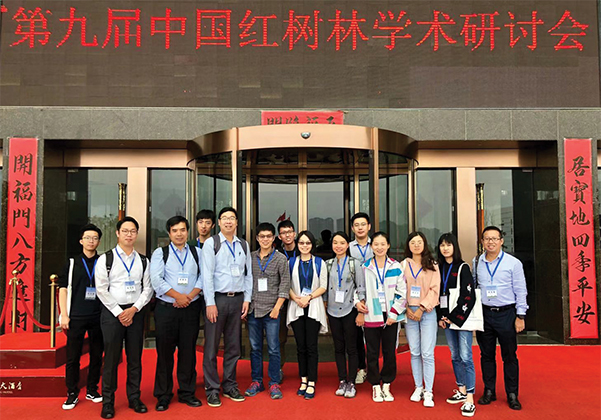
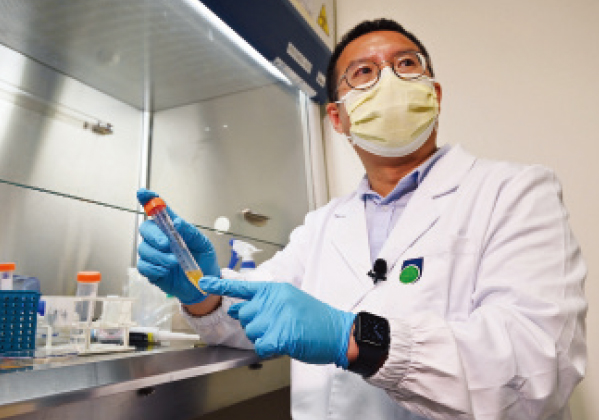
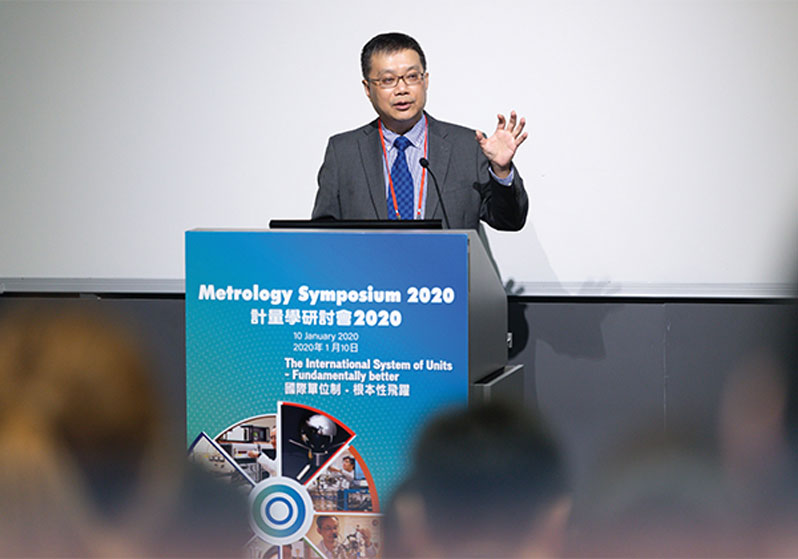
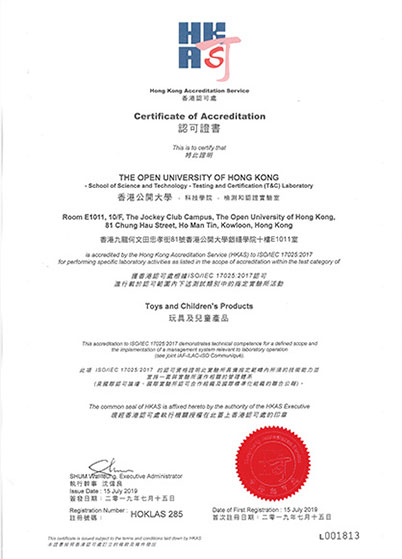
The University’s School of Science and Technology hosted two research conferences in the year on issues of special importance in today’s information age— the 15th Asia Information Retrieval Societies Conference in November 2019, and the International Symposium on Artificial Intelligence and Big Data in December. Both brought together leading researchers and specialists from around the region to explore developments in their areas of expertise. Another key scientific event was the Metrology Symposium, themed around the redefinitions made within the International System of Units that took place earlier in the year. Meanwhile, to remain at the forefront of its field, the University’s Testing and Certification Laboratory was accredited to the latest ISO/IEC 17025: 2017 standards, following an RGC grant-supported upgrade to its equipment and facilities. Among other important work carried out by the Laboratory, it was commissioned by the Hong Kong Economic Times TOPick to test face masks and disinfecting products as the COVID-19 pandemic hit.
Nursing and healthcare
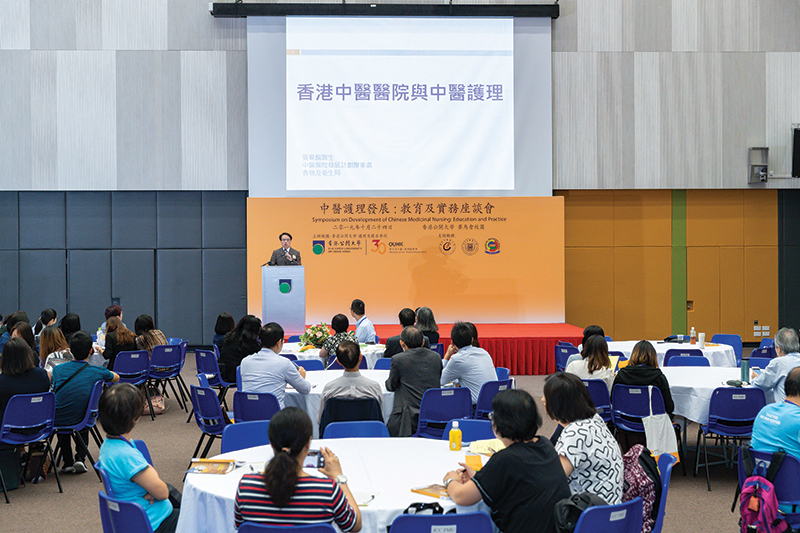
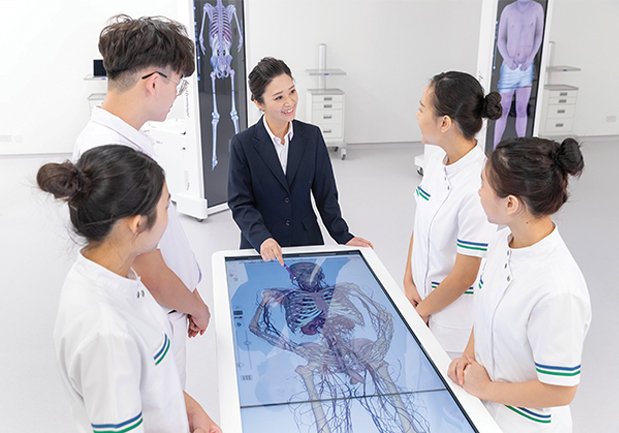
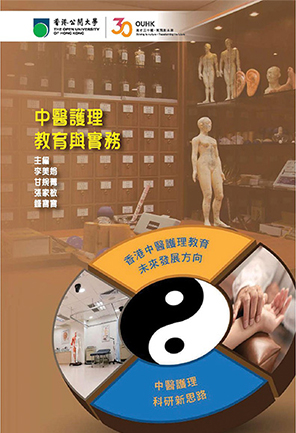
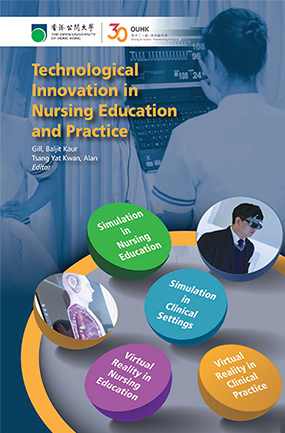
An IDS Research Infrastructure Grant from a previous year for research into technological innovations in nursing education and Chinese medicinal nursing practice bore fruit in a major symposium and two edited books in 2019. Organized in October by the School of Nursing and Health Studies, the Symposium on Development of Chinese Medicinal Nursing: Education and Practice brought together around 100 participants from across the region, in an event that offered a highly positive overview of the progress and potential of Chinese medicinal nursing in Hong Kong, mainland China and Taiwan. An associated book was published in connection with the Symposium. Another book born out of the grant was Technological Innovation in Nursing Education and Practice, which explores how simulation and VR technology have enhanced the clinical decision-making and skills of nursing students.
Elsewhere, a team from the School conducted a survey on ‘Hong Kong Adults’ Habit of Reusing Face Masks’, interviewing 1,000 respondents and generating useful findings about average re-use time and age differences in re-use. The University was also able to begin research into ways of improving care for dementia sufferers and their families following its receipt of a grant from the Food and Health Bureau’s Health and Medical Research Fund for ‘Promoting Advance Care Planning in Persons with Early Dementia and their Family Caregivers in the Community’.
Humanities
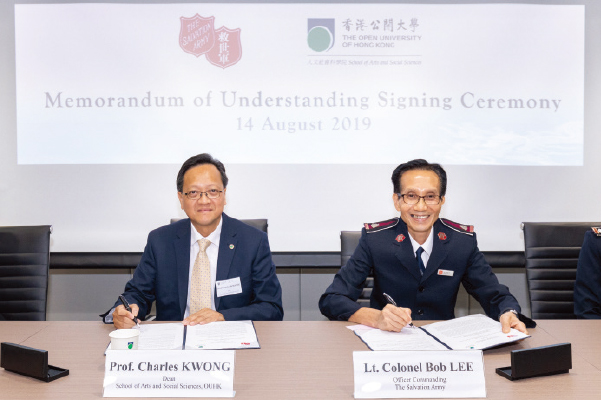
Since its Public and Social Policy Research Centre was established in early 2019, the OUHK has been pursuing a number of research directions relating to two of Hong Kong’s biggest challenges, the ageing population and the housing shortage. That research has involved collaborations with several NGOs that are specially involved in these fields, including Memorandums of Understanding (MOUs) signed during the year with the Salvation Army and Hong Kong Lutheran Social Service. These collaboration agreements are providing valuable assistance in efforts to understand and assist the city’s most vulnerable populations.
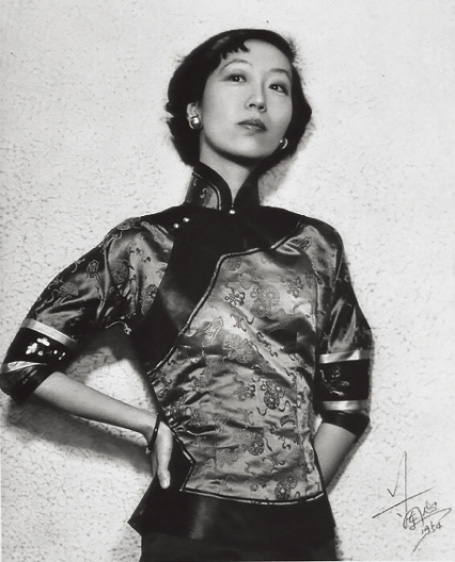
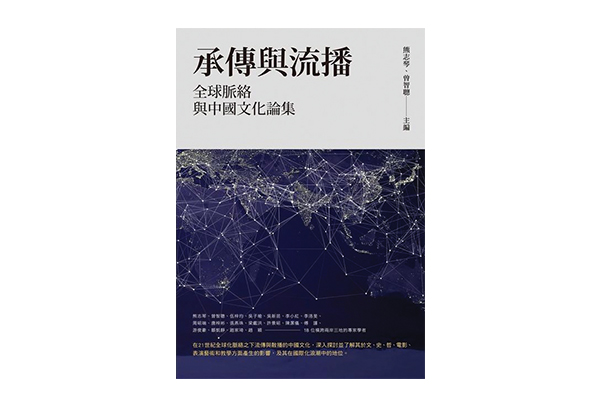
The OUHK has also established a vibrant research culture around the study and promotion of Chinese culture. The research project ‘Chinese Culture in the Global Context’, which concluded in December 2019, resulted in the publication of two books of essays, one in Chinese and the other in English, exploring the internationalization of Chinese culture in the 21st century and its increasingly global dimensions. Meanwhile, a number of University members have been completing research projects backed by FDS grants. For example, a new look at cultural icon Eileen Chang and her work being undertaken in the Creative Arts Department of the School of Arts and Social Sciences is re-examining the ‘Eileen Chang phenomenon’ and reassessing her controversial reputation within the social dynamics of the times she lived. Another important new project, funded by a grant of over HK$500,000 from the Intangible Cultural Heritage Office, is a two-year one whose goal is to enrich and expand the items included in Hong Kong’s Intangible Cultural Heritage Inventory. Using this grant, OUHK researchers will conduct surveys and further research into nine items with a view to supporting their inclusion in the Inventory.
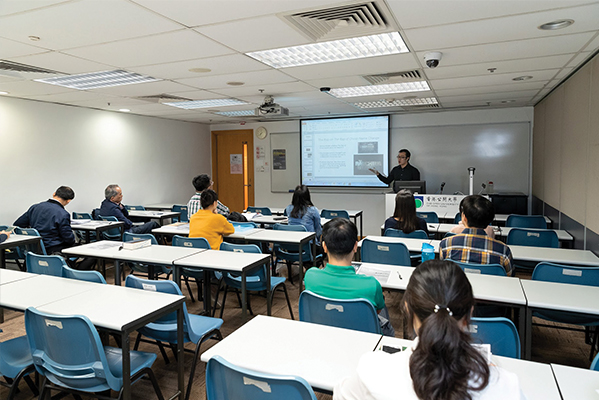
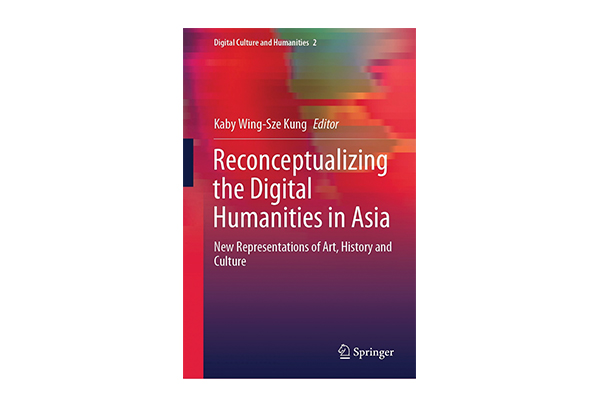
Research has also continued at the Research Institute for Digital Culture and Humanities (RIDCH). Results from a number of FDS research grant projects carried out during the year were presented in recent seminars, including a seminar investigating the effectiveness of English language apps for building learners’ vocabulary. Two new books have been recently published incorporating research endeavours of OUHK researchers: Digital Media and Technologies: New Art Forms and New Media and Reconceptualization of the Humanities in the Digital Age.

Business
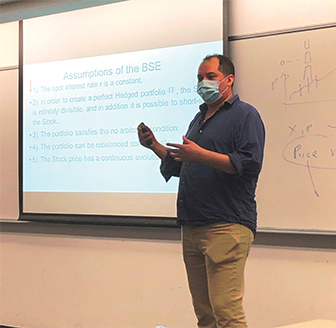
The University’s research work in the field of business is carried out by the Lee Shau Kee School of Business and Administration and its subsidiary, the Institute of International Business and Governance (IIBG). Research associated with exchanges between academia and industry continued during the year, despite the fact that the IIBG Annual Academic-Industry Exchange had to be called off due to social unrest in Hong Kong. Instead, OUHK staff reported their findings in over 30 seminars. Business-related projects that kicked off with FDS funding— totalling over HK$2.2 million— during the year included research studies on the effects of China’s Belt and Road Initiative on trade, and on the impact of expatriate leaders on the national environments in which they operate. The IDS Research Infrastructure Grant received by the University up to 2020, designated to further its business research capacity, also bore fruit. In the first eight months of 2020 alone, 42 papers were published in major academic outlets, including top-tier journals such as The International Journal of Human Resource Management, Management Science, The Journal of Travel Research, Tourism Management, Annals of Tourism Research, The Journal of Business Research, The Journal of Consumer Psychology and The International Journal of Hospitality Management.

Language
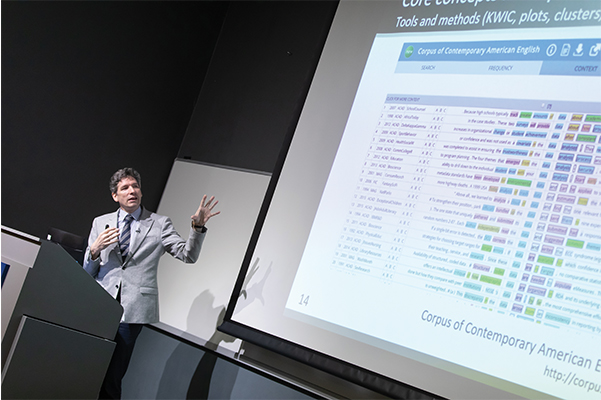
One of the University’s strategic research areas is Corpus-based Bilingual Learning and Teaching. Researchers in this field are benefitting enormously from the Chinese and English Learner Language Corpus (CELL) created by researchers in the School of Education and Languages under an IDS Research Infrastructure Grant. A number of research insights have been generated from this 1.5 million-word corpus, and studies have been published and presented at international conferences that are helping researchers better understand the specific challenges facing Hong Kong language learners and devise ways of enhancing teaching effectiveness.
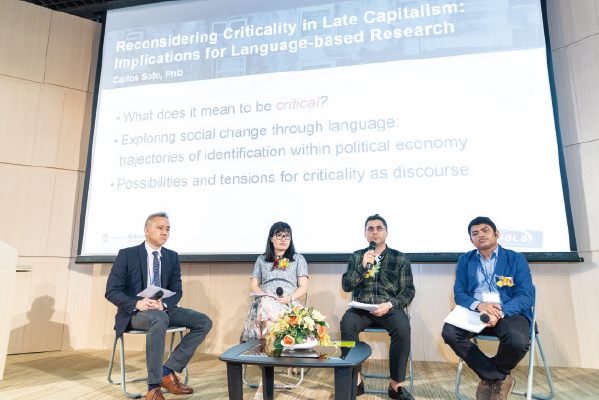
The prestigious International Society for Language Studies conference had only once before been held in Asia, so it was a great honour and recognition for the OUHK to be selected as host of the 2019 edition in June. The conference is a major site of research sharing, this year themed around ‘Disrupting and Recreating Beliefs in Language Studies’.
Education
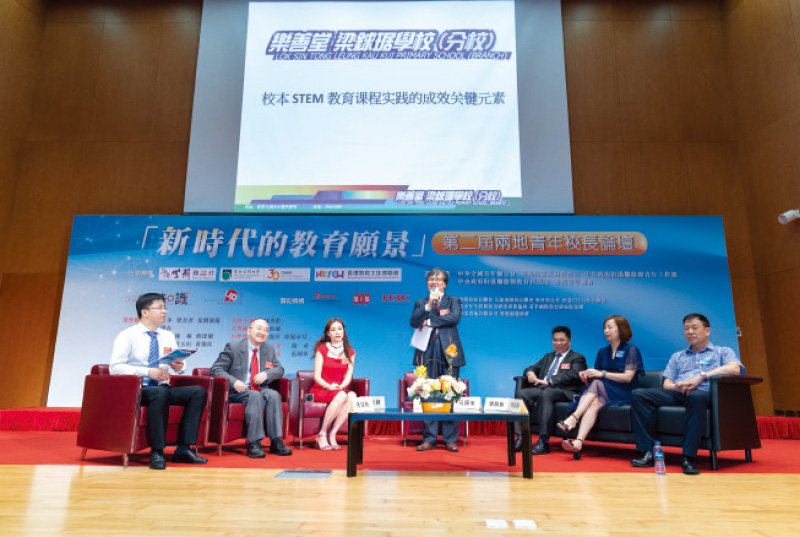
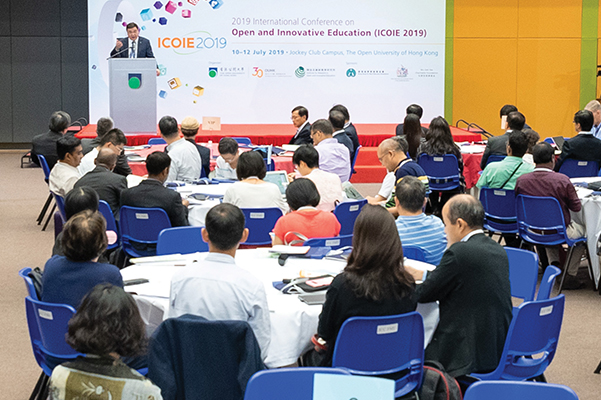
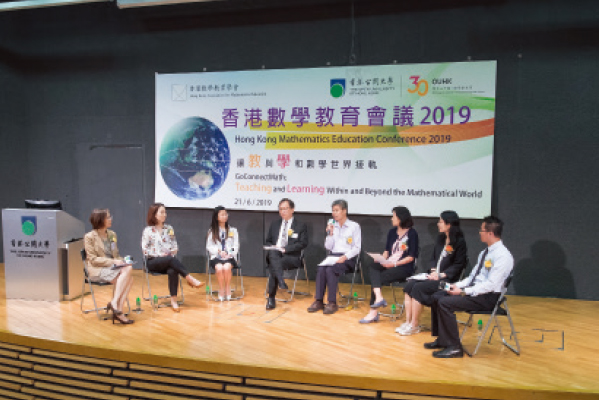
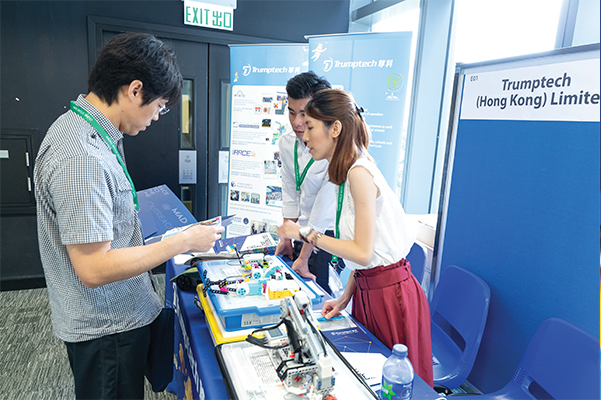
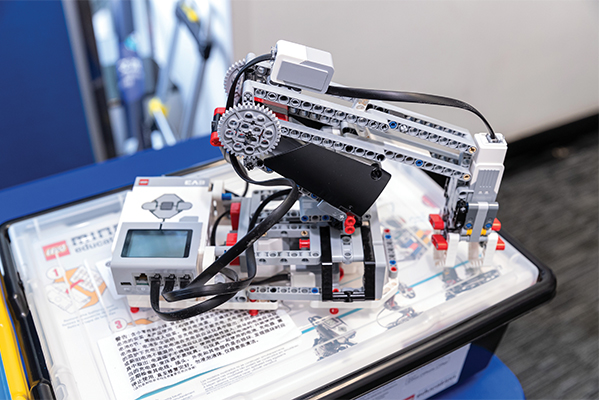
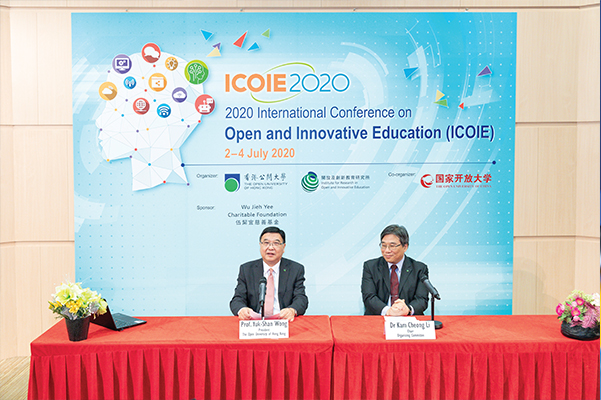
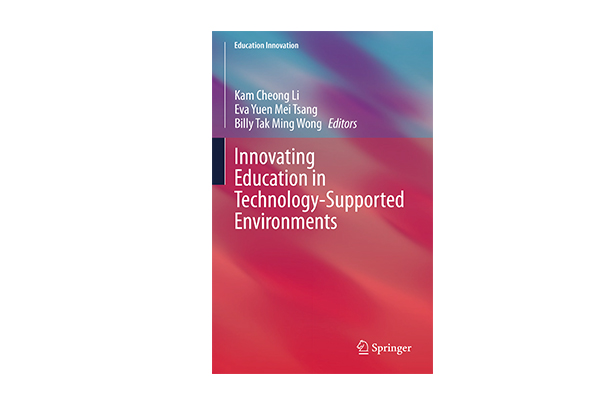
In the field of education, the University’s Institute for Research in Open and Innovative Education (IROPINE) organized two editions of two major international events in the year: the International Conference on Open and Innovative Education (ICOIE 2019 and 2020) and the concurrently held Symposium on STEAM Education, all held in the month of July. In May 2019, the OUHK hosted the second edition of a forum for school principals from Hong Kong and mainland China, where special topics included how to broaden the international horizons of education and how to better foster STEM education. A month later, the University welcomed the Hong Kong Mathematics Education Conference 2019, with a theme that reflected on the growing emphasis on cross-disciplinary learning locally and changes in kindergarten policy, and a forum on catering for learner diversity. Separately, a book titled Innovating Education in Technology-Supported Environments was published in the year, with contributions from OUHK researchers.
Sharing knowledge with everyone
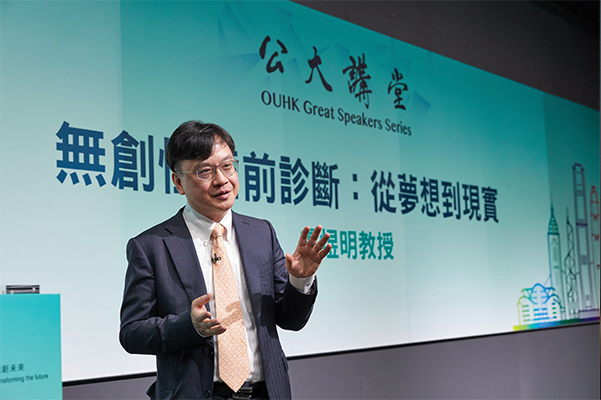
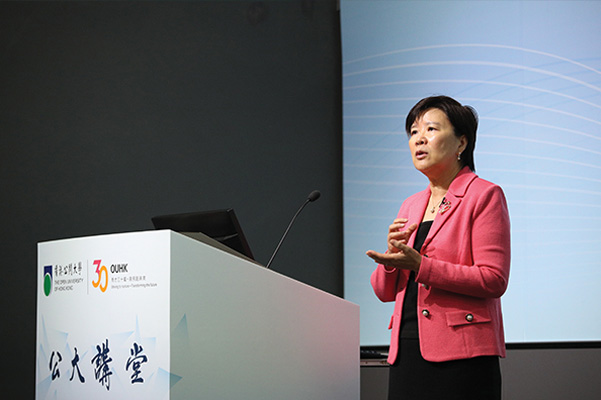
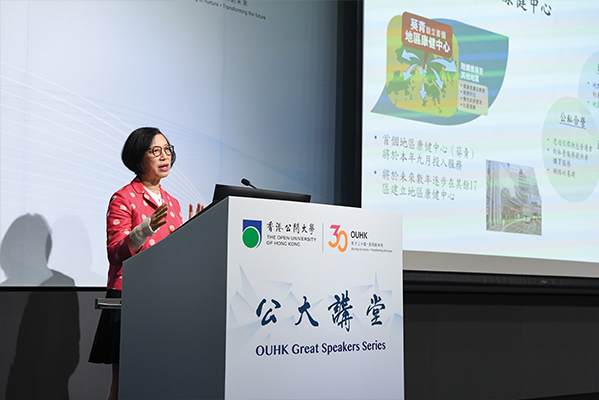
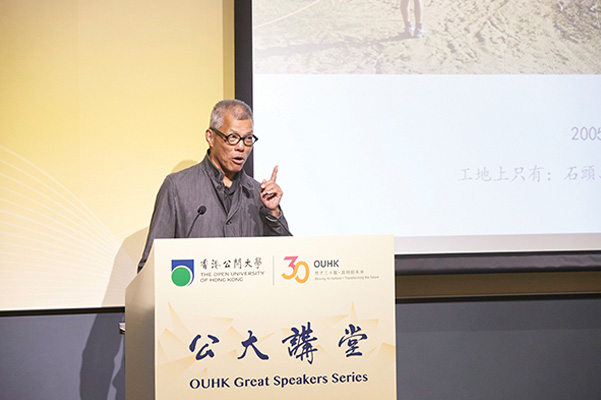
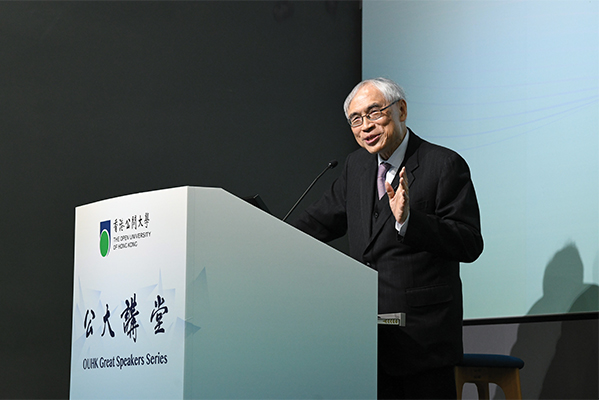
The immensely popular Great Speakers Series, which brings experts in their fields to deliver clear, topical and committed insights into issues across the board, continued its path of success in the year. In May 2019, renowned neurologist Prof. Nancy Y Ip spoke on ‘From Neuroscience Discoveries to Promoting Human Health’, a talk in which she described some of the key neural processes that take place in the brain and explained how these were driving new insights and developments in her teams’ research into Alzheimer’s disease. Later in the month, Secretary for Food and Health Prof. Sophia Chan Siu-chee spoke on ‘Moving towards a Better Healthcare System for Hong Kong’, in which she laid out some of the strategies being developed to reinforce our existing healthcare system to cope with issues such as the rapidly ageing population. Continuing the health-related theme was Prof. Dennis Lo Yuk-ming, known for his pioneering non-invasive prenatal diagnosis, who in July told the inspiring story of his discovery of foetal DNA in maternal plasma and its later application to cancer detection.
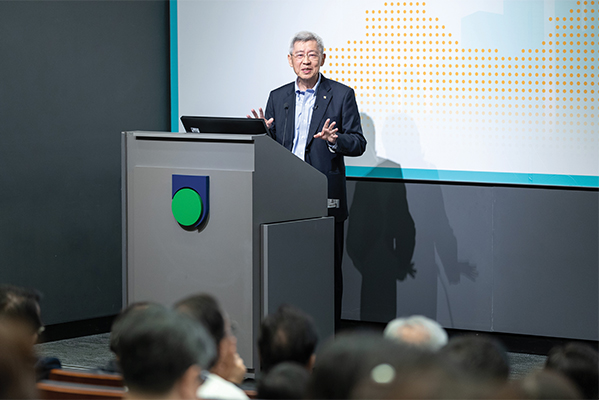
Other authoritative speakers addressed issues of society and trade during the year. In November 2019, Prof. Edward Ng Yan-yung, founder of the Wu Zhi Qiao (Bridge to China) Foundation, spoke about his experiences of building bridges and houses in remote villages in mainland China. The mission behind this charitable work and the impact it has had was captured in the lecture’s title, ‘We Work to Give Life Back Its Dignity’. Respected economist Prof. Lawrence J Lau spoke in January 2020 on the increasingly topical subject ‘The China-US Trade War and Future Economic Relations’. Through careful analysis of the context in which the trade war is set, he expressed confidence that continued open trade would create an ‘economic complementarity’ that would result in a win-win situation for both countries. Finally, delivering the last talk in the 40th Anniversary of China’s Reform and Opening Up Talk Series, Prof. Cheng Kai-ming recounted the story of education in China over the past four decades with a special focus on the amazing progress that took place after 1978, and discussed the specific challenges facing China’s education system in this period.