









Home

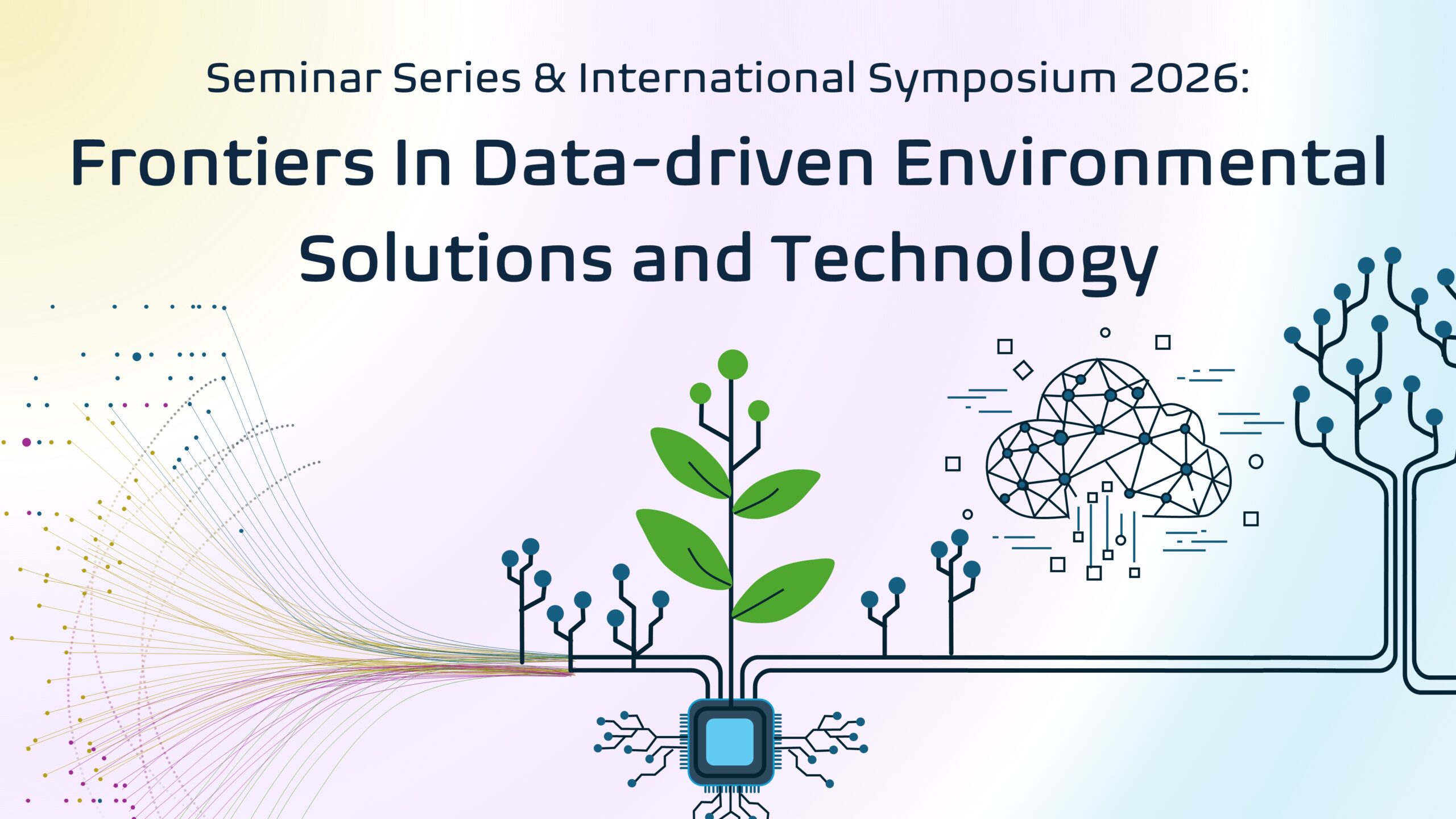
Frontiers in Data-Driven Environmental Solutions and Technology

Free Registration*

*This project is funded by Hong Kong Research Grants Council (RGC) under the Inter-Institutional Development Scheme (UGC/IIDS16/M01/25) and Hong Kong Metropolitan University Research Impact Fund (RIF/2024/1.1).

Artificial intelligence (AI) and big data analytics have emerged as transformative technologies in environmental management and sustainability. These technologies enable organizations to analyze consumption patterns, optimize renewable energy distribution, monitor wildlife populations, and design sustainable smart cities. In resource management, AI can identify inefficiencies while reducing waste. In energy management, AI can also optimize renewable energy systems and decrease carbon emissions. In wildlife conservation, AI can analyze data from sensors and satellite imagery to protect endangered species. In urban planning, AI can enhance smart city development by optimizing traffic flow, reducing energy consumption, and improving waste management systems. While China has made progress in applying AI and big data to environmental challenges, implementation remains in early stages with significant opportunities for advancement. With the rise of AI and big data, the environmental protection department can gather extensive data and use various indicators for better analysis and decision-making.

This seminar series provides a platform for experts, scientists, practitioners, and research students from institutions, universities, and environmental industries in China, Hong Kong, Southeast Asia, and overseas to exchange views on research, applications, and sustainable management of environmental challenges through AI and big data solutions. The symposium will gather global experts in environmental omics to share their valuable insights and experience in conducting environmental omics research in wetland science and environmental health with the scientific community in the region.

Please click here for more details on RGC.

Themes

  • Seminar 1: AI and Big Data for Environmental Monitoring and Sustainability: Current Status and Breakthrough
    21st March 2026 (Sat)
  • Seminar 2: Solutions and Approaches to Tackle and Monitor Environmental Degradation, and Identification of Habitats and Population at Risk
    20th June 2026 (Sat)
  • Seminar 3: Challenges for AI and Big Data for Sustainability: Data Quality, Scalability, Governance, and Compliance
    8th August 2026 (Sat)
  • International Symposium: Future Research Directions for Environmental Sustainability
    26 – 28th November 2026 (Thurs-Sat)

Seminar 1: 21 March 2026

Seminar 2: 20 June 2026

Seminar 3: 8 August 2026

International Symposium: 26 – 28 November 2026

Hong Kong Metropolitan University

Hong Kong SAR, China

Hybrid Mode

Participants may choose to attend the seminar at the on-site venue in Hong Kong or through the online video system.

Important Dates

Now
Registration
Seminar 2
Now
14 June 2026
Last registration
In attendance/Online webinar
14 June 2026
Seminar 2: 20 June 2026
Event dates
Seminar 2: 20 June 2026
Seminar 3: 8 August 2026
International Symposium: 26 - 28 November 2026
Seminar 2: 20 June 2026
27 November 2026
Technical visit
By invitation
27 November 2026
Date
Event
21 March 2026
Seminar 1
20 June 2026
Seminar 2
8 August 2026
Seminar 3
26 – 28 November 2026
International Symposium
Registration
Seminar 1
Last registration
In attendance/Online webinar
Event dates
Technical visit
By invitation
Now
20 February 2026
Seminar 1: 21 March 2026
Seminar 2: 20 June 2026
Seminar 3: 8 August 2026
International Symposium: 26-28 November 2026
27 November 2026
Seminar 1 Registration
In attendance/Online webinar
Event dates
Technical visit
By invitation
Now
Open until 20 February 2026
Seminar 1: 21 March 2026
Seminar 2: 20 June 2026
Seminar 3: 8 August 2026
International Symposium: 26-28 November 2026
27 November 2026

Organizer:

*This project is funded by Hong Kong Research Grants Council (RGC) under the Inter-Institutional Development Scheme (UGC/IIDS16/M01/25) and Hong Kong Metropolitan University Research Impact Fund (RIF/2024/1.1).

Please click here for more details on RGC.