





Student Community Engagement & Service-Learning

Student Affairs Office Student Community Engagement & Service-Learning

“︁We serve while we all learn from each other                                                            through mutually beneficial collaborations”︁

Background

In today’s interconnected world, fostering social awareness and civic responsibility among students, as well as unlocking their potential to create a positive community impact, is of paramount importance in cultivating a unique learning experience at the University. The efficacy of community engagement and service-learning has been recognized widely. They can provide significant values for student learning, cultivate collaborative partnerships, benefit the common good and enhance students' understanding on social issues. (Eyler & Giles, 1999; Dirksen, C., 2020; Richard et al., 2022; Valarmathi et al., 2024).

For this reason, Student Affairs Office (SAO) has launched Service-Learning programmes since 2019, aiming to provide students with service-learning experience that integrate their knowledge with social responsibility to contribute to the community. In 2023, SAO integrated student community engagement concepts and organized various programmes to raise students' awareness on specific social & global issues and create positive impact on the community through empowerment & student-led projects. As of May 2025, SAO has collaborated with over 35 non-governmental organizations (NGOs) and social partners to co-organize more than 40 service projects and activities, benefiting more than 2,000 students and individuals.

What is Student Community Engagement & Service-Learning (SCES-L)?

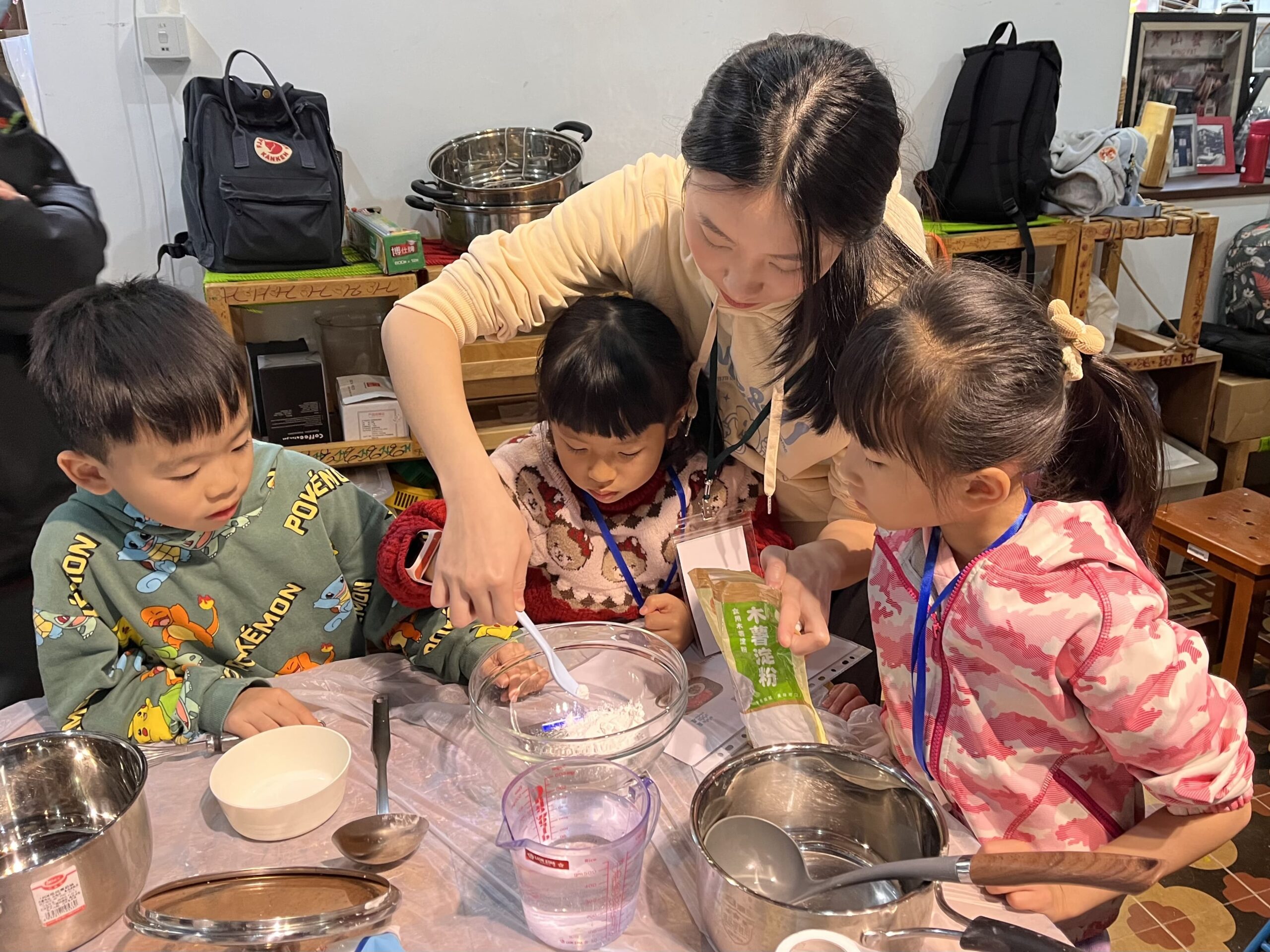
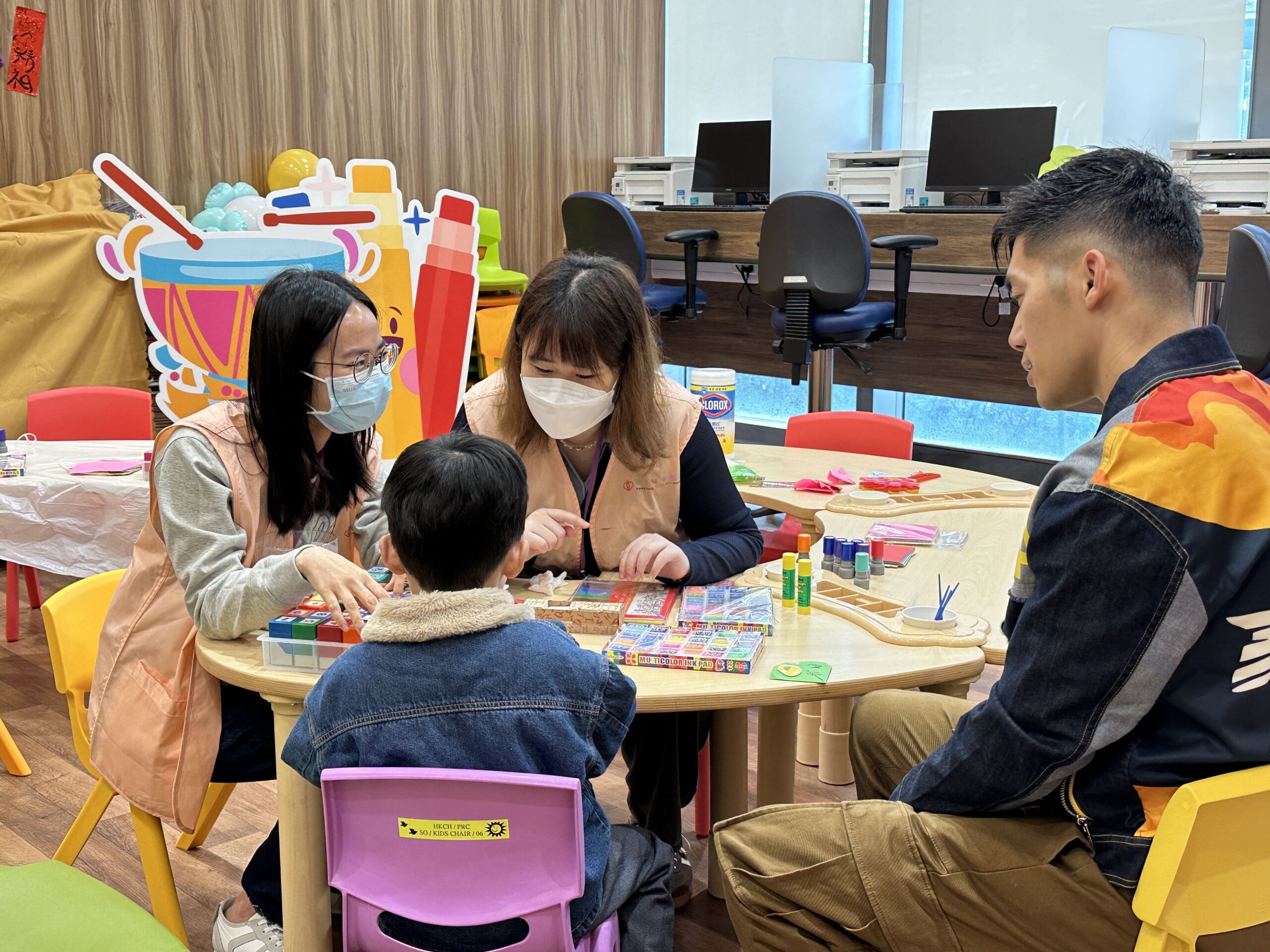
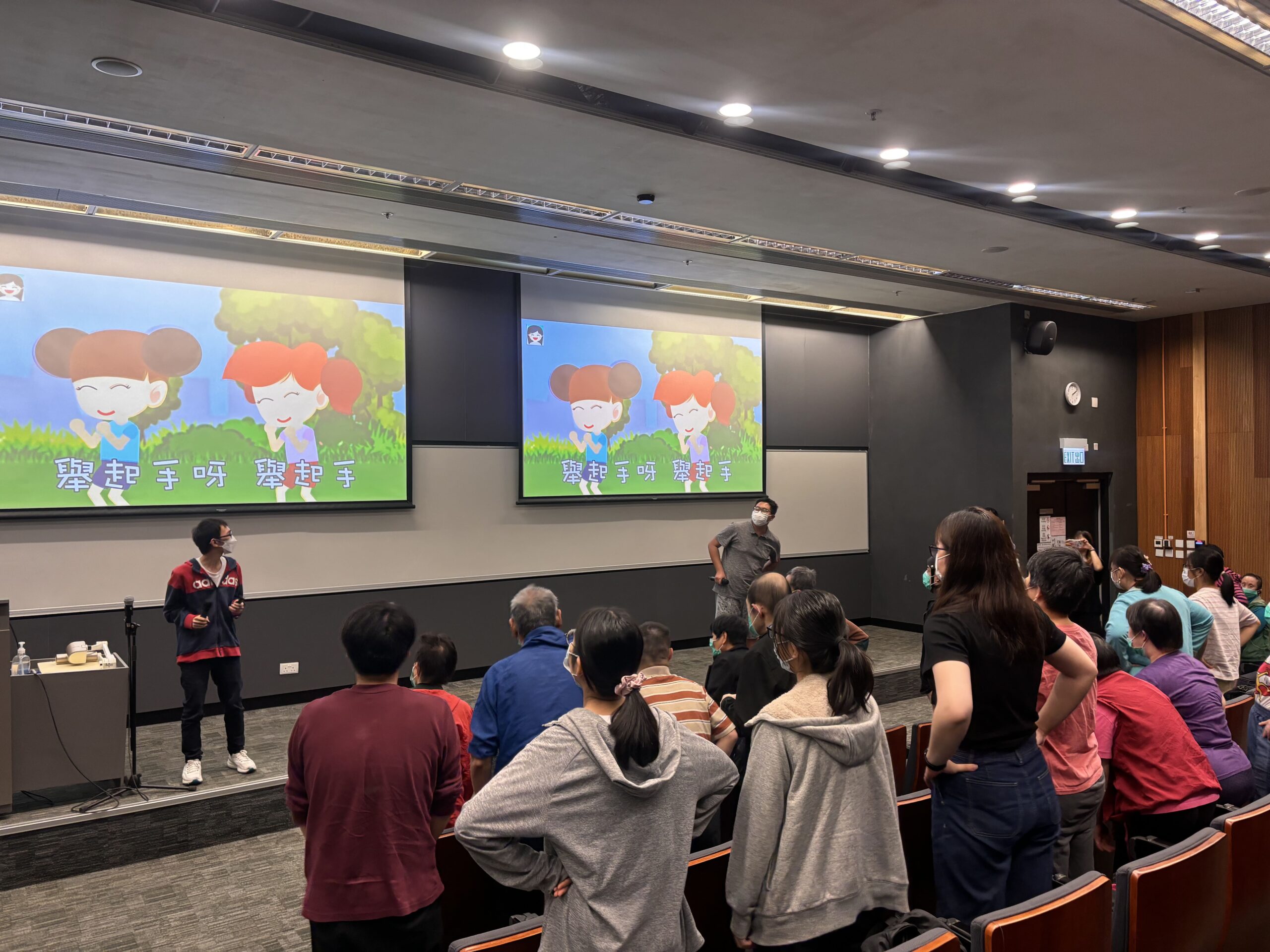
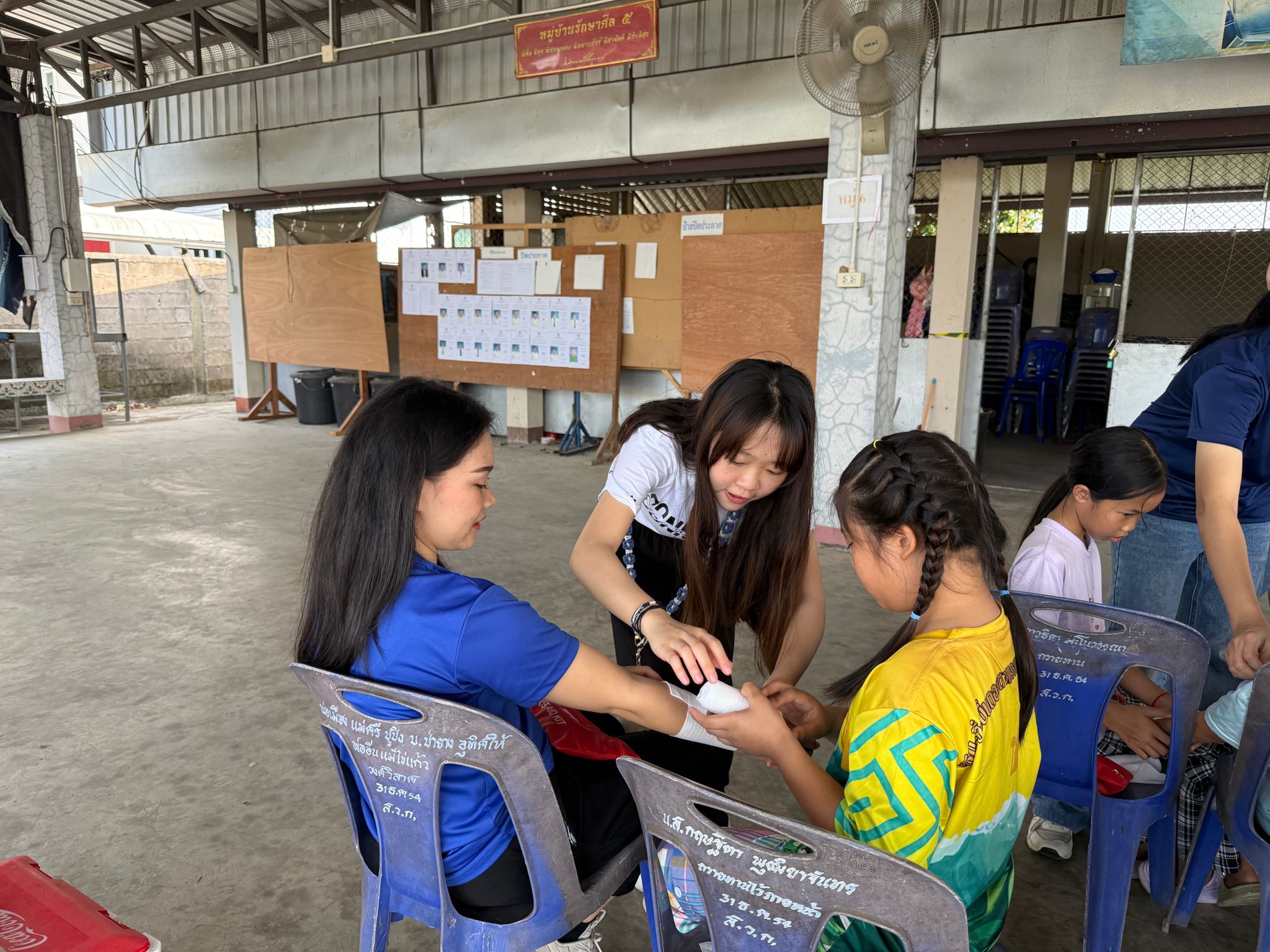
The SCES-L team aims to develop students’ social awareness and civic responsibility through various community service opportunities. It serves as a bridge between students and the community, enhancing their understanding of specific social and global issues. By collaborating with external organizations and community partners, students receive training and service opportunities to comprehend the challenges faced by different vulnerable groups in society, nurture their personal development, and make a positive impact through empowerment and student-led projects.

Key components of Service-Learning are also instilled in our works to build reciprocal partnerships between students and the community, and to encourage critical student reflections to enrich their learning experiences and foster self-understanding. This integrated framework provides a comprehensive approach to student development and community involvement, promoting whole-person development, and achieving self-actualization. It is not necessarily integrated into the academic curriculum with participants joining based on their personal interests and passions. We strive to explore students' service interests and personal abilities beyond academic boundaries.

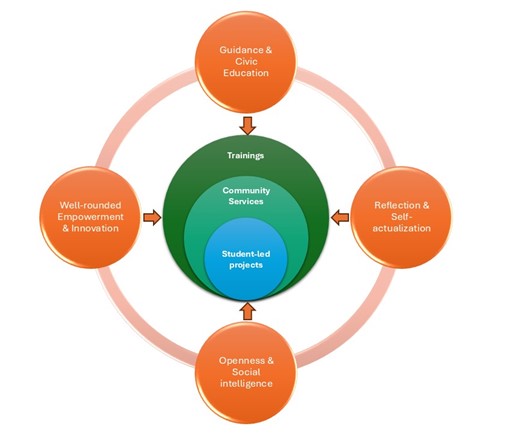
Core Objectives - GROW

  • Guidance & Civic Education:

Develop students' civic & moral responsibility through community services or projects locally or globally with on-going guidance.

  • Reflection & Self-actualization:

Provide critical & structured reflection platforms to cultivate students' positive personality traits and personal development for self-actualization, such as integrity & ethics, empathy, self-management, forgiveness, gratitude, respectfulness, capacity to love or be loved and kindness.

  • Openness & Social Intelligence:

Foster students' self-understanding and nurture students' social awareness and intelligence from diverse and open-minded perspectives on different local and/or global issues.

  • Well-rounded Empowerment & Innovation:

Empower students to create positive social impact and benefit the community according to their service interests and personal abilities beyond academic boundaries.

Service Type

  1. Direct Services: Students will engage in hands-on activities that directly benefit individuals or groups in the community, such as organizing wellness activities for elderly people, planning & tutoring children living in sub-divided units, and providing photography services for elderly people.
  2. Indirect Services: Students will work on projects that support community needs indirectly, but not necessarily directly to any individuals, such as producing a city guide for children from low-income families, organizing a life education exhibition for university students.
  3. Advocacy Services: Students will engage in activities that promote social change and raise awareness about important issues, such as producing a video to promote animal welfare.

Student Feedback

The parents, whose children face serious medical challenges, expressed a deep desire to cherish every moment with them. It reminded me that life is not just about the challenges we face, but also about the love and connections we nurture. As a nursing student doing my practicum at the Hospital, I was inspired by the interaction between the parents and the child patients in the event to focus on creating meaningful experiences for myself and those I care for.

Carmen Lo

Life Education Programme Participant

It was a memorable experience to organize the HKMU “Hablar” Healing Festival. I am deeply grateful for the support and appreciation from the Student Affairs Office, which has enabled and also equipped me to organize this meaningful mental health event for the university.

Maris Wong

Awardee of S-L Challenge Award

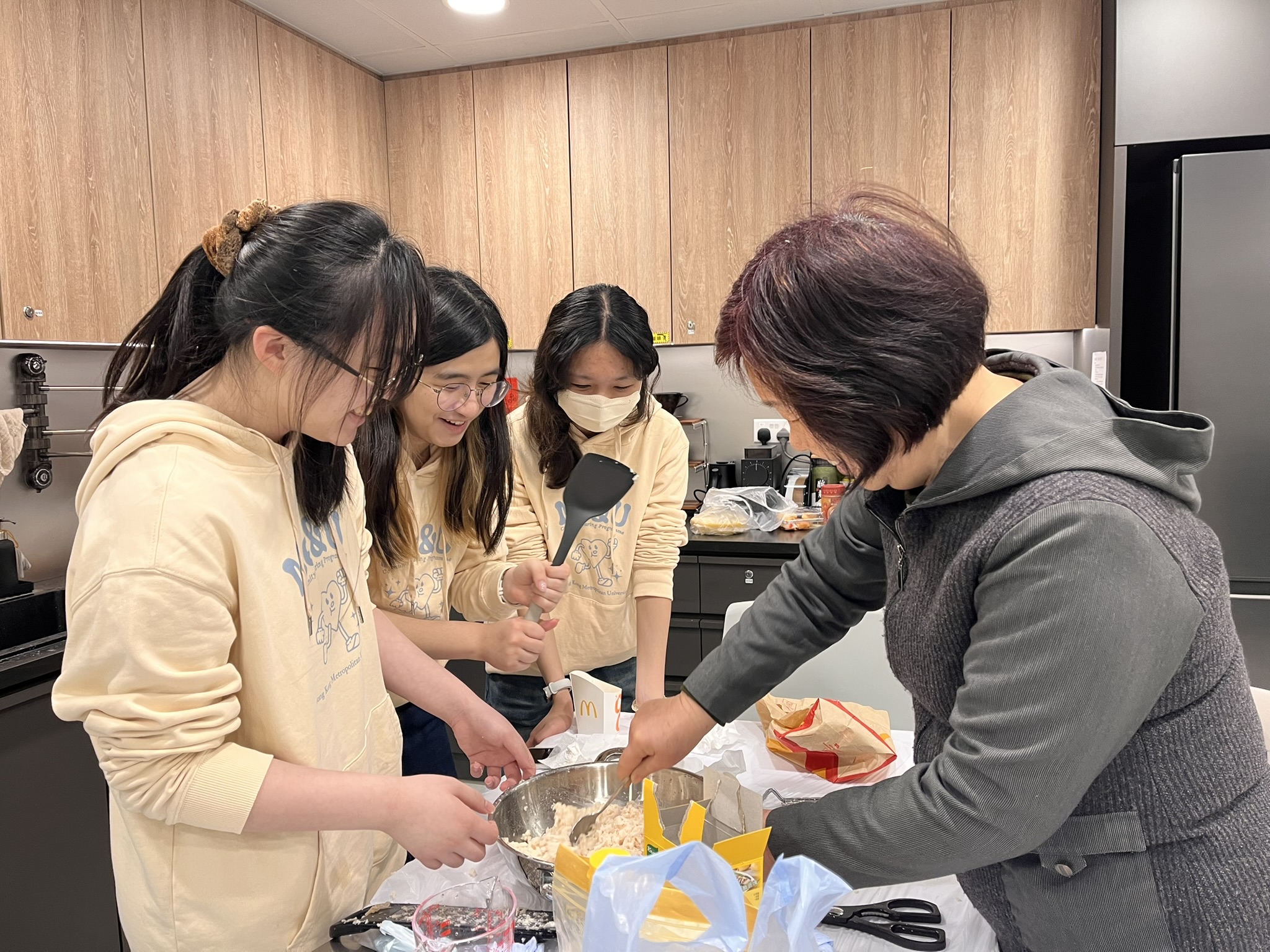
Hearing others’ experiences is not only a pleasure but also a source of inspiration. It helps me appreciate the wonderful connections between people and has also realize that some of the individuals I serve may only meet for a few times in their entire lives. Therefore, I must cherish this bond and do my best to bring them joy and warmth.

Wicky Nizan Shobana

Me&U Community Caring Programme Participant (Elderly)

Through a series of guided tours, I had the chance to explore Hong Kong with the kids and learn about its history and culture, which was truly eye-opening. Planning a tour with my team and acting as the docent gave me a huge sense of achievement.

Chloe Chiu

Me&U Community Caring Programme Participant (Children)

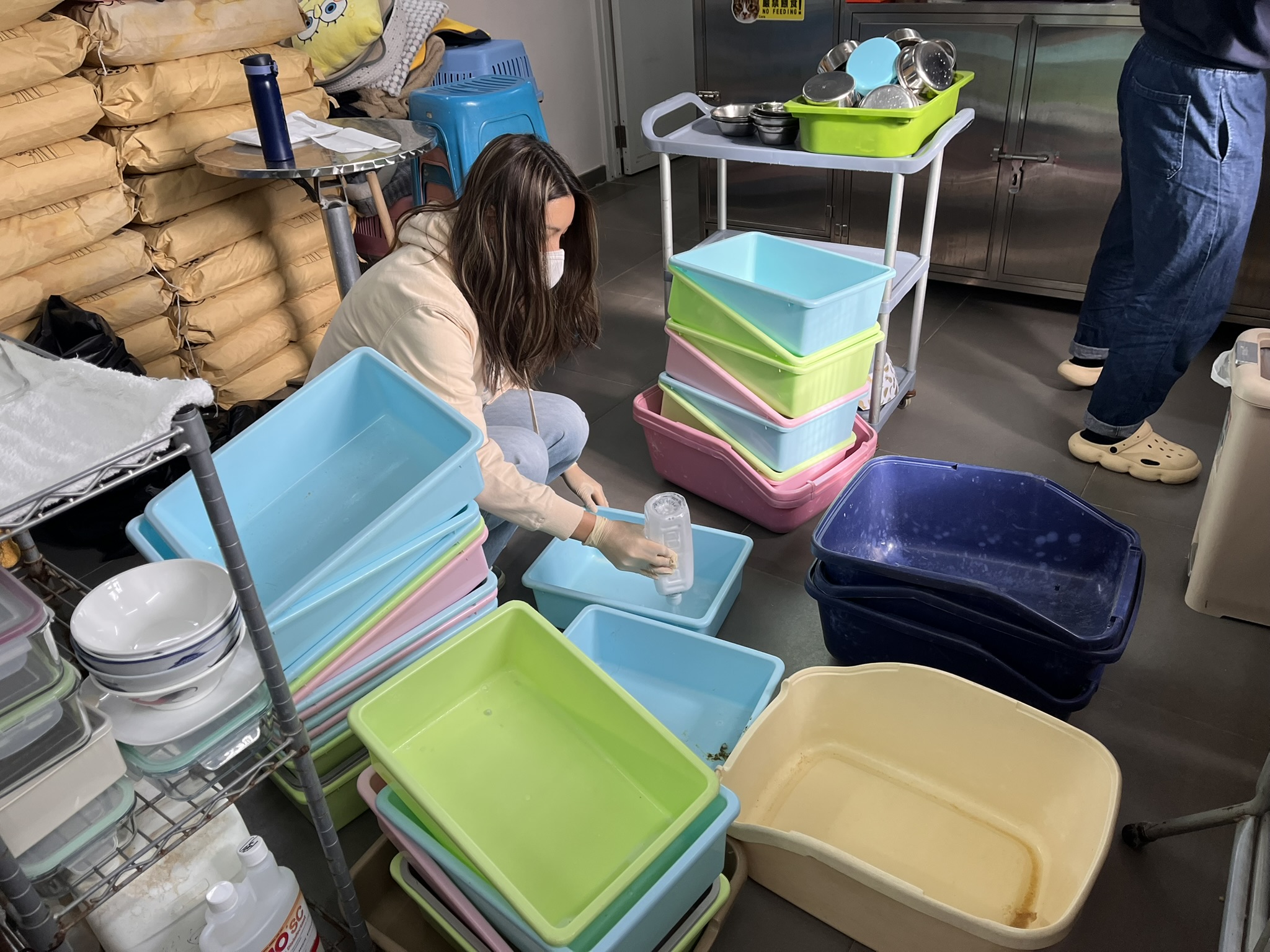
The experience revealed that most animals can recover and become lively and trusting with dedicated care. It inspired me to adopt a stray cat and witness its transformation from fearful to loving.

Antonia Ng

Me&U Community Caring Programme Participant (Animal)

Reference

  1. Dirksen, C. (2020). Community Engagement for Student Faith Development: Service-Learning in the Pentecostal Tradition. Christian Higher Education (London, UK), 19(1–2), 78–90. https://doi.org/10.1080/15363759.2019.1689198
  2. Eyler, J., & Giles, D. (1999). Where's the learning in service-learning? (1st ed.). Jossey-Bass.
  3. Richard, F. D., Berkey, B., & Burk, H. M. (2022). Motivation and Orientation: Faculty Perspectives on Development and Persistence in Service Learning and Community Engagement. Journal of Community Engagement and Higher Education, 14(1), 12-.
  4. Valarmathi, S., Kareem, J., Tantia, V., Babu, K. S., & Lucas, P. J. (2024). Study on the Impact of Service-Learning on the Whole Person Development: A Student Perspective. In Effective and Meaningful Student Engagement Through Service Learning (pp. 94–108). IGI Global. https://doi.org/10.4018/979-8-3693-2256-7.ch006