Professional Certificate in Integrative Modern Acupuncture
(Part-time)

Home / Programmes/ Professional Programme 

Professional Certificate in Integrative Modern Acupuncture

Programme Introduction

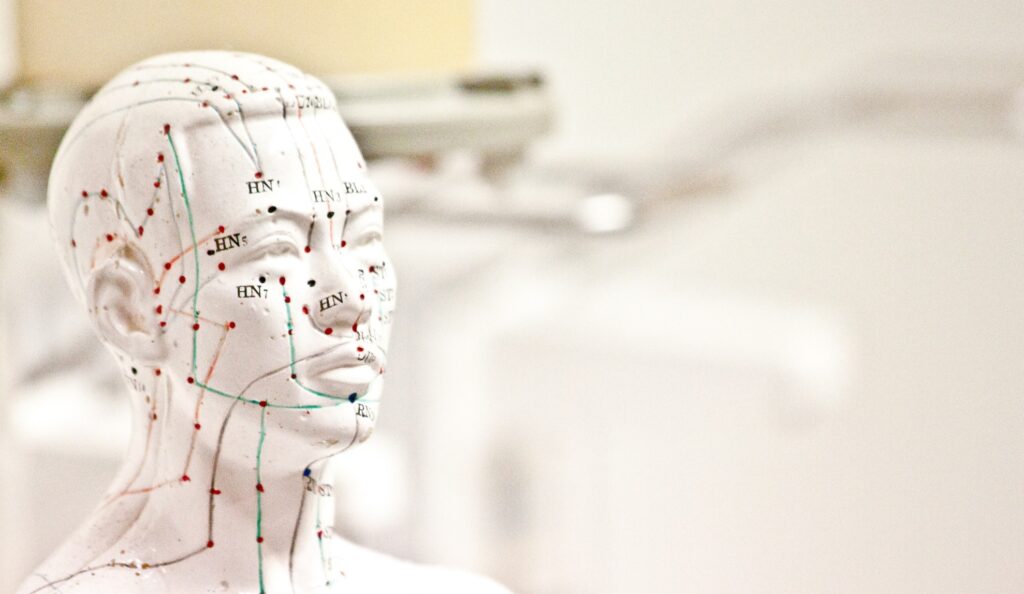
The Professional Certificate in Integrative Modern Acupuncture is a 10‑month part‑time, practice‑oriented course designed for registered physiotherapists who wish to integrate modern acupuncture safely and effectively into clinical practice. This course focuses on modern acupuncture grounded in neurophysiology, pain science, and contemporary biomedical evidence, equipping students with a clear and clinically relevant understanding on the mechanisms, clinical reasoning and evidence-informed practice. It also includes introductory sessions on TCM acupuncture meridian theories to provide students with a basic contextual understanding of traditional acupuncture concepts while maintaining the primary emphasis on modern acpuncture principles. Through structured lectures, hands‑on skills workshops, case‑based learning, and a supervised clinical practicum in a hospital in Chinese Mainland, students will gain comprehensive exposure to modern acupuncture applications, including dry needling, electro‑acupuncture and auricular acupuncture. The course emphasises safety, legal and ethical frameworks, and risk management to support safe and professional acupuncture practice in physiotherapy settings.

Programme Aims

The aim of the proposed course is to equip Registered Physiotherapists with the knowledge, skills, and clinical reasoning for safe and effective applications of modern acupuncture techniques in various patient populations.

Intended Learning Outcomes

Upon successful completion of the this course, students will be able to:

    • Apply evidence-based acupuncture in clinical practice in selected musculo-skeletal, neurological conditions, pain management and some other health conditions relevant to physiotherapy practice;
    • Demonstrate competency in advanced acupuncture techniques, including dry needling, electro-acupuncture, and auricular acupuncture; and
    • Apply legal, ethical, and safety frameworks for acupuncture practice, including documentation, informed consent, infection control, and risk management standards.

Programme Features

    • Taught by experienced clinical acupuncture practitioners and educators, including academic staff from the HKMU Department of Physiotherapy.
    • Adopt an evidence-based practice approach to provide comprehensive exposure to a wide range of cases and conditions.
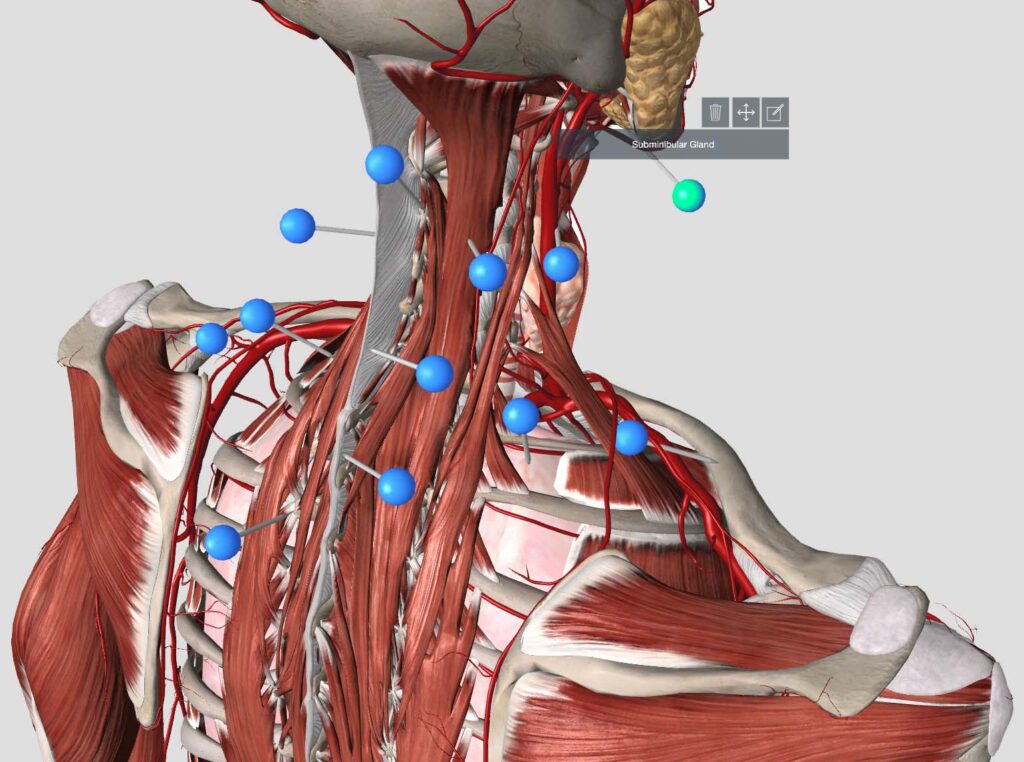
    • Students will be supported by advanced learning technologies, such as the Complete Anatomy app and a VR acupuncture simulation tool, to enhance their learning experience.
    • Include a one-week supervised full-time placement at a hospital in Chinese Mainland for immersive learning experience.
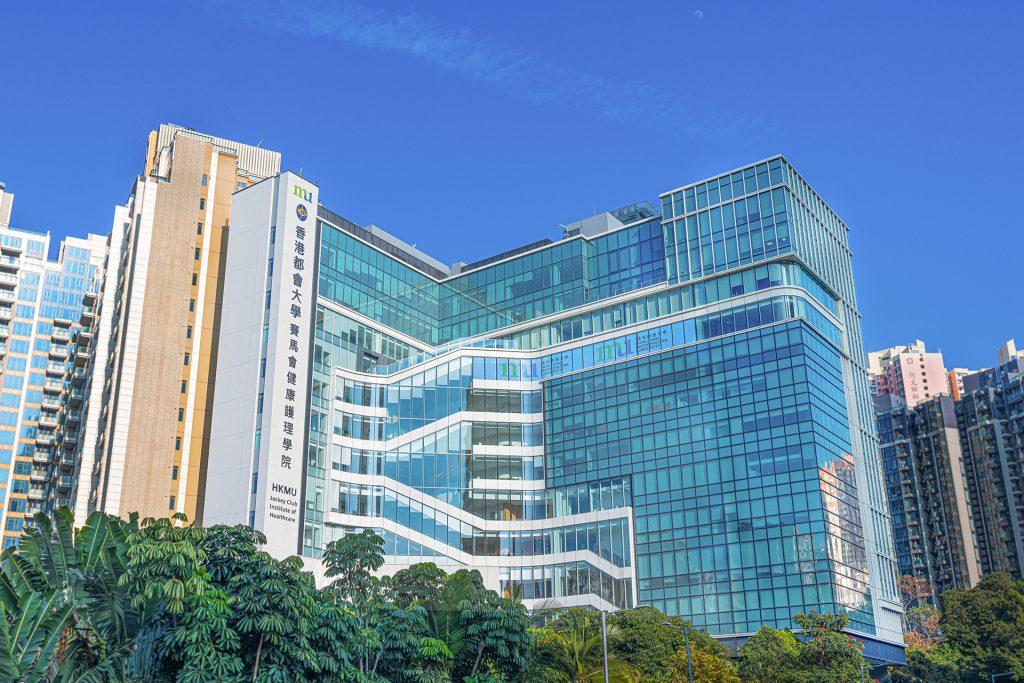
    • State-of-the-art classroom and laboratory facilities at the HKMU IOH campus offer a learning environment that is conducive to collaboration and professional development.
    • Access to electronic library resources.

Entry Qualifications

The course is open to: All registered physiotherapists, or  Individuals with a qualification that allows them to practise as a physiotherapist.

Programme Structure

Lecture and Practical Sessions

Major Topics:

  • Modern acupuncture theories
  • Traditional Chinese Medicine meridian theories
  • Dry needling theories and clinical applications
  • Electro-acupuncture & auricular acupuncture
  • Legal framework, safety & risk management, documentation
  • Acupuncture techniques on upper limbs, lower limbs, spinal region, head and face regions
  • Clinical protocols for musculoskeletal conditions – upper/lower limbs, spinal region, abdominal region, head and face regions
  • Clinical protocols for neurological conditions

Clinical Practicum

A one-week intensive clinical practicum on acupuncture training in a hospital in Chinese Mainland  (Greater Bay Area)

Programme Structure

Lecture and Practical Sessions

Contents
Lecture/ Tutorial
hours
Practical Sessions
hours
Self-study
hours
Total
66
36
204
1. Modern acupuncture theories
• Introduction of modern acupuncture
• Theories include neurobiological foundations, neuro-endocrine and central integration, neuro-immune pathways and inflammation regulation
• Evidence-based approach and clinical practice
12
24
2. Traditional Chinese Medicine meridian theories
• Introduction of the meridians and collaterals
12
24
3. Dry needling theories and clinical applications
3
6
4. Electro-acupuncture & auricular acupuncture
3
6
5. Legal framework, safety & risk management, documentation
3
6
6. Acupuncture points that required cautions
3
6
7. Acupuncture techniques on upper and lower limbs
• Relevant anatomical considerations
• Practice on commonly adopted acupoints
9
9
36
8. Acupuncture techniques on spinal region
• Relevant anatomical considerations
• Practice on commonly adopted acupoints
6
6
24
9. Acupuncture techniques on head and face regions
• Relevant anatomical considerations
• Practice on commonly adopted acupoints
3
3
12
10. Clinical protocols and practice for musculoskeletal conditions on upper limb and lower limb
• Acupoint selection and needling techniques
3
6
18
11. Clinical protocols and practice for musculoskeletal conditions in spinal region, head and face regions
• Acupoint selection and needling techniques
3
6
18
12. Clinical protocols and practice for clinical neurological conditions
• Acupoint selection and needling techniques
3
6
18
13. Revision on integrative modern acupuncture from physiotherapy perspectives
3
6

Clinical Practicum

A one-week intensive clinical practicum on acupuncture training in Foshan Hospital (TBC)

Content
Venue
Contact hours
A one-week intensive clinical practicum on acupuncture training that includes:
• supervised observation of acupuncture sessions in diverse physiotherapy settings
• hands-on acupuncture application
• case management sharing and discussion
Foshan Hospital (TBC)
35

Assessment

The course assessment consists of three continuous assessment components: written test(s), practical test(s), and a group presentation. Students must achieve a minimum of 50% in each assessment component to obtain a “Pass” grade for the course.

Award

Students who fulfill the attendance requirements (80% for lecture/practical sessions and 100% for clinical practicum) and successfully pass all assessments will be awarded a “Professional Certificate of Completion”, issued by the School of Nursing and Health Sciences, HKMU.

Course Information
Programme Mode
Face-to-face
Medium of Instruction
Chinese supplemented with English
Duration of Study
10 months (inclusive of a One-Week Intensive Clinical Practicum in Acupuncture Training)
Tuition Fee
Non‑HKMU alumni: HK$30,000
HKMU alumni: HK$25,000
Tentative Schedule

Wednesday evenings and occasionally Saturdays from Sept 2026 to May 2027, excluding public holidays. Detailed schedule will be confirmed 1 month prior to course commencement

Clinical placement will happen between June and Aug 2027 (to be confirmed).
Course Information
Programme Mode
Face-to-face
Medium of Instruction
Chinese supplemented with English
Duration of Study
10 months (inclusive of a One-Week Intensive Clinical Practicum in Acupuncture Training)
Tuition Fee
Non‑HKMU alumni: HK$30,000
HKMU alumni: HK$25,000
Courses & Hours
Total study hours: 341 hours
Lectures & tutorials: 66 hours
Practical sessions: 36 hours
Clinical practicum: 35 hours
Self‑study: 204 hours

Further Information

Contact person: Ms Natalie Cheng (Assistant Academic Support Officer / Department of Physiotherapy / School of Nursing and Health Sciences)

Tel: 3970 2927

Email: pt@hkmu.edu.hk