







Master of Science
in Diagnostic Ultrasonography
(Launching from: 2026 Autumn Term)

Programme Code


MSCDU

Programme Mode


Distance Learning (Blended mode)*

Medium of Instruction


English

Duration of Study


2 years (part-time)


Courses & Credit-Units


9 Courses, with a total of 30 credit-units
 

Tuition Fee


Subject to the latest announcement by the University

*Teaching is primarily online, with Research Methodology delivered face-to-face. Students are scheduled to attend on-campus activities, including tutorials, seminars, practical sessions, and complete clinical practicums in hospitals or clinics to ensure meeting the required progression.

Introduction

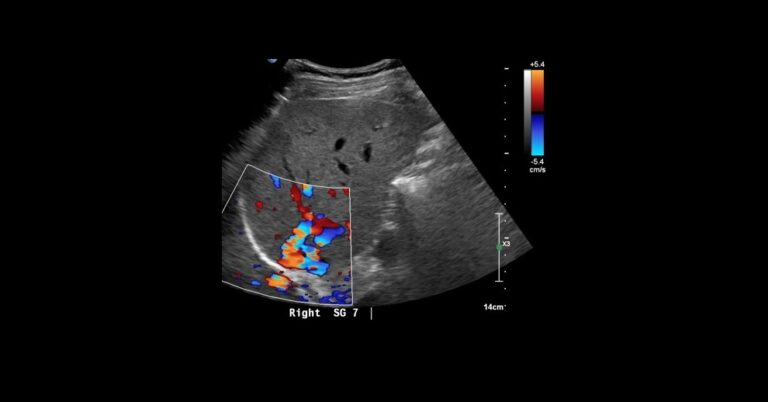
The Master of Science in Diagnostic Ultrasonography is a part-time postgraduate programme combining distance learning with scheduled on-campus activities. It equips healthcare professionals with competent skills in abdominal and vascular imaging, supplemented by foundational knowledge in musculoskeletal, small parts, antenatal, and postnatal imaging. Addressing Hong Kong's growing demand for ultrasound expertise, the programme features hands-on scanning of real subjects, AI-powered simulation, and a clinical practicum to build confidence and proficiency in diagnostic imaging. As the only structured master's programme of its kind in Hong Kong, it offers an exceptional pathway for career advancement and excellence in medical imaging.

Programme Aims

Upon completion of the programme, students will be able to:

  1. Master ultrasound principles, instrumentation, and imaging techniques across diverse applications.

  2. Optimize scanning protocols to differentiate no rmal and pathological findings with precision.

  3. Deliver ethical, patient-centered care while collaborating within multidisciplinary healthcare teams.

  4. Apply emerging technologies to advance diagnostic ultrasonography practices.

Programme Features

  1. Patient-Centered Care

    Focuses on empathy, communication, and improving patient outcomes. Students learn to approach imaging with compassion, explain procedures clearly, and prioritize patient dignity, fostering trust and collaboration for high-quality care.

  1. Evidence-Based Practice

    Emphasizes integrating research, clinical expertise, and patient values. Students develop critical thinking through research projects and case studies, ensuring diagnostic accuracy and advancing the field through informed decision-making.

  1. Interdisciplinary Collaboration

    Prepares students to work within multidisciplinary teams, promoting teamwork with healthcare professionals to deliver holistic care and improve patient outcomes through simulated scenarios and interprofessional workshops.

  1. Technological Innovation and Adaptability

    Equips students to embrace emerging technologies like AI and advanced imaging techniques, ensuring adaptability and competitiveness in a rapidly evolving field. Hands-on training fosters innovation in practice.

Admission Requirements

  • Must be registered radiographers or medical doctors.
  • Hold a relevant degree or qualification (e.g., Bachelor's in related science or health sciences, radiology and medical imaging, or equivalent; Postgraduate Diploma in Radiography).

  • Meet HKMU's English proficiency requirements if prior education was not in English.
  • Qualified applicants undergo an admissions interview.

  • Preference is given to those with diagnostic imaging experience or relevant qualifications and recommendation letters from employers or academic mentors.
  • Clinical practicum is usually completed at the applicants' workplaces, with facilities and supervisor support available.  Otherwise, alternative training is arranged in Hong Kong or on the mainland.  Priority will be given to applicants who have access to ultrasound practice in their workplace.

  • Applicants must comply with Hong Kong’s Allied Health Professions Ordinance (Cap. 359) during their clinical practice.

  • Other qualifications are considered individually.

Programme Structure

Students are required to complete 30 credit-units and 10 days of clinical practicum over 2 years in a part-time capacity.

Courses & credit-units:

  • 18 credit-units of Core Courses
  • 6 credit-units of Capstone Project
  • 6 credit-units of Clinical Practicums
Course Title
Credit-units
Ultrasound Physics and Small Parts
3
Abdominal Ultrasonography
6
Vascular Ultrasonography
3
Musculoskeletal Ultrasonography
2
Antenatal & Postnatal Ultrasonography
1
Research Methodology
3
Capstone Project
6
Clinical Practicum I
3
Clinical Practicum II
3

Career Prospects & Professional Recognition

Graduates of the programme enjoy strong career prospects in hospitals, clinics, and diagnostic centers globally. The program enhances employability through advanced skills and supports academic advancement via doctoral studies or research. It also aids ARDMS exam eligibility with additional clinical experience hours.

Enquiries

Registry (Admission)

School of Nursing & Health Sciences (Programme Administration)

Programme Leader