





Living Books

School of Nursing and Health Sciences Living Books

Living Books at N&HS

Meet the people behind the stories your textbooks never tell.

The Living Library initiative at the School of Nursing and Health Sciences (N&HS) aims to strengthen empathy, cultural sensitivity, reflective practice, and compassionate communication among undergraduate nursing and physiotherapy students. By engaging with individuals who share personal lived experiences, students gain deeper insight into the diverse realities of patients and communities.

“From listening alone, you can learn a lot about a person’s culture and life story.” – Student Reader.

The Living Books activity brings you face-to-face with real people who share their personal stories in honest, one-on-one conversations.

Each Living Book is a person whose lived experience reflects something your future patients may carry: a health journey, a disability, a cultural identity, an experience of stigma, or a story of resilience. As a Student Reader, you borrow a Living Book — not to read, but to listen, ask questions, and understand.

This is not a seminar. There are no slides, no right answers, and no assessment rubric. It is simply one of the most human learning experiences you will have in this programme.

Before the Activity

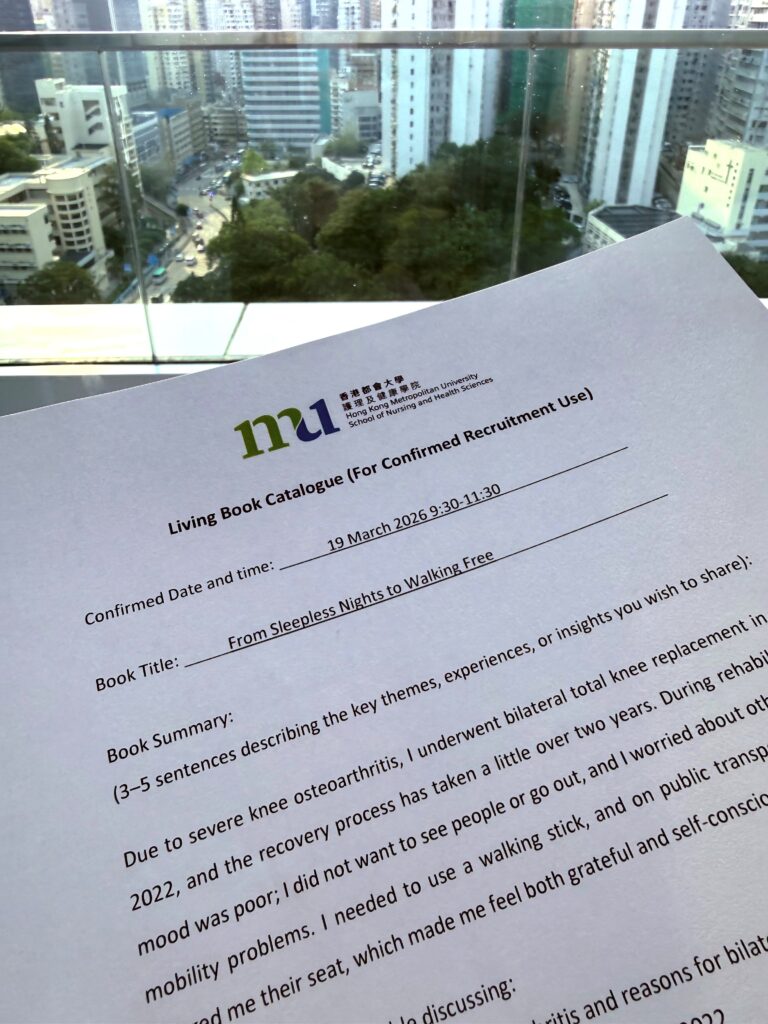
You will receive a Living Books Catalogue with their titles and short story summaries. Take time to read through it and select the story or stories you feel most drawn to. Before the event, there is a brief orientation with your Librarian (Facilitator). This covers the session format, behavioural expectations, and the confidentiality requirements you must uphold. As part of your preparation, consider: What assumptions do I already hold about the person whose story I am about to hear? This is not a test — it is the beginning of your learning.

On the Day

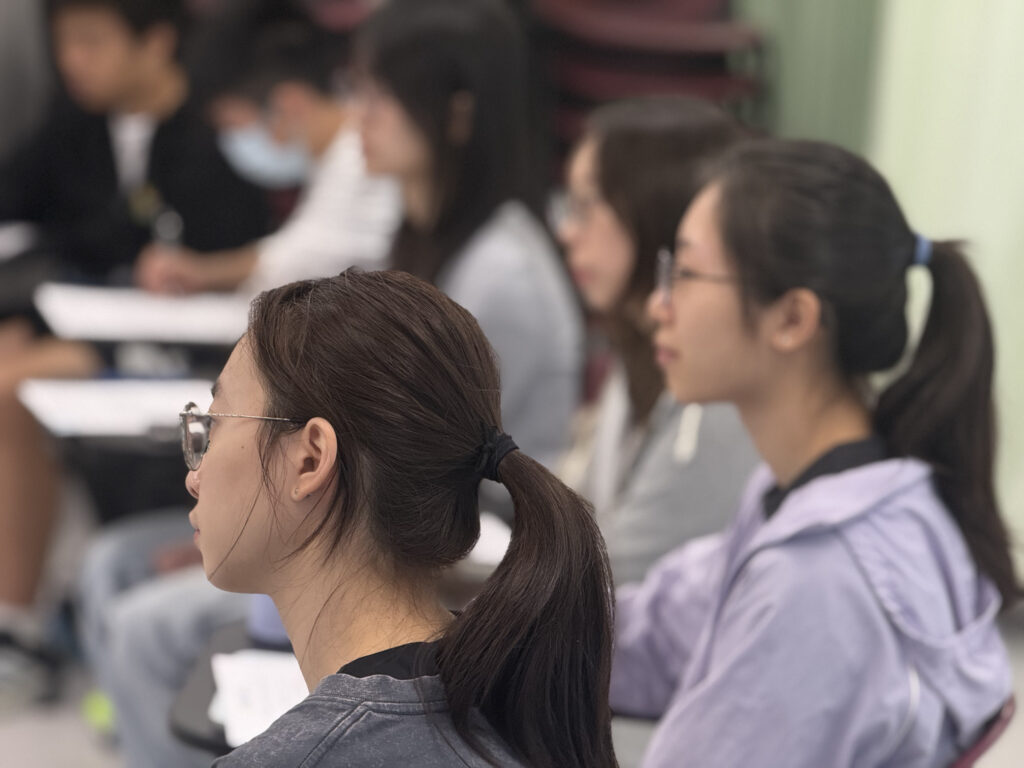
Check In Register your attendance via iAttend upon arrival and collect your session schedule. You will be guided to your Living Book’s designated space, where a group of Readers sits together for a 45-minute conversation. The Book shares their story first, then the floor opens for questions. There are no wrong questions — as long as they come from genuine curiosity rather than challenge or judgement. After all sessions, your Librarian will facilitate a brief group debriefing, a space to process what you heard, share reflections, and begin making connections to your clinical practice.

After the Activity

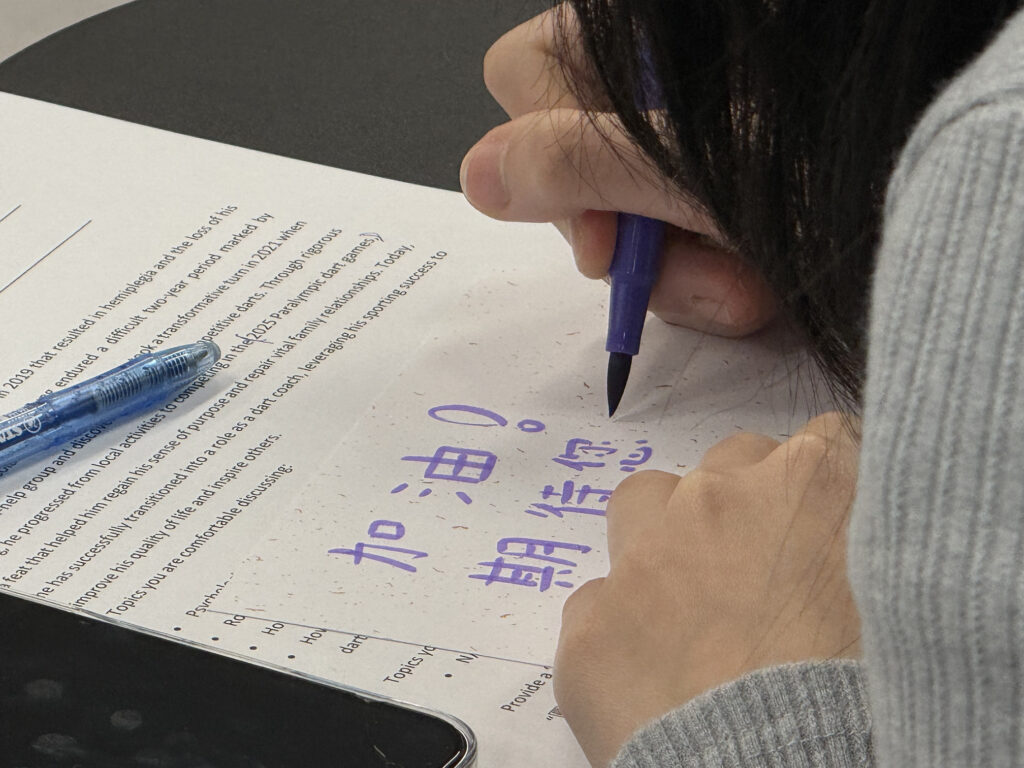
You will be asked to complete a Reader Reflection Worksheet — a short structured reflection on what you heard, what assumptions were challenged, and how the experience might shape the way you practise. This forms part of your professional development learning.

Preparation for Reading

How To Be a Good Reader?

Living Books choose to trust you with something deeply personal. That trust must be honoured. The following are strictly prohibited during all sessions:

❌ Audio recording, video recording, photography, or screenshots of any kind

❌ Discriminatory, offensive, or disrespectful language

❌ Challenging, questioning, or disputing a Living Book’s experience

❌ Pressuring a Book to share traumatic or private details

❌ Offering unsolicited advice or medical opinions

What Can I Ask?

A good question comes from genuine curiosity, not challenge or suggestion. Here are some examples to guide you:

✅ “Could you tell me more about that experience?”

✅ “How did you feel at that time?”

✅ “How has this experience shaped the way you think about healthcare?”

Avoid questions that judge, redirect, or advise:

❌ “Why didn’t you…?”

❌ “Have you considered that maybe…?”

❌ “If it were me, I would have…”


Frequently Asked Questions

Listening is not the same as agreeing. Your role is to understand their experience, not to change your beliefs or to change theirs. Stay open, stay curious, and do not debate.

That is okay. If your question came from genuine curiosity, it was not wrong to ask. When a Book declines, simply say "I understand, thank you for sharing what you have" and move on.

You have the right to pause or step away at any time. Speak quietly to your Librarian or say "I need a moment." Looking after yourself is not a weakness, it is part of being a good health professional.

You may share your own reflections and feelings. You must never share any detail that could identify a Living Book, in person, in writing, or online.

Only if the Living Book proactively offers their contact details. You should never request contact information. This is a professional boundary that protects both parties.

Not at all. Silence is a natural part of deep conversation, it means you are absorbing something meaningful. You do not need to fill every pause.