A Hong Kong Metropolitan University respiratory nursing professor is on a mission to make breathing easier for Hong Kong's respiratory disease patients.
Key takeaways
- Being an effective researcher in patient empowerment requires a combination of tenacity, patience and the ability to connect with patients and health care professionals alike.
- Early intervention soon after diagnosis to increase chronic respiratory disease patients' knowledge and self-confidence can increase the likelihood that they will be able to stick to their treatment plan.
- Community-based research entails relinquishing control, ensuring buy-in from community implementers, and trusting the validity of patients' perspectives.
As a respiratory nursing researcher, Agnes Lai Yuen-kwan is driven by the desire to help patients with chronic respiratory illness cope better with their illnesses, derive the greatest benefit from the treatments available, and also get a decent night's sleep. An associate professor in Hong Kong Metropolitan University's School of Nursing and Health Sciences, Lai is pursuing her research interests both in clinical and preventive medicine in hospitals, and in community settings.
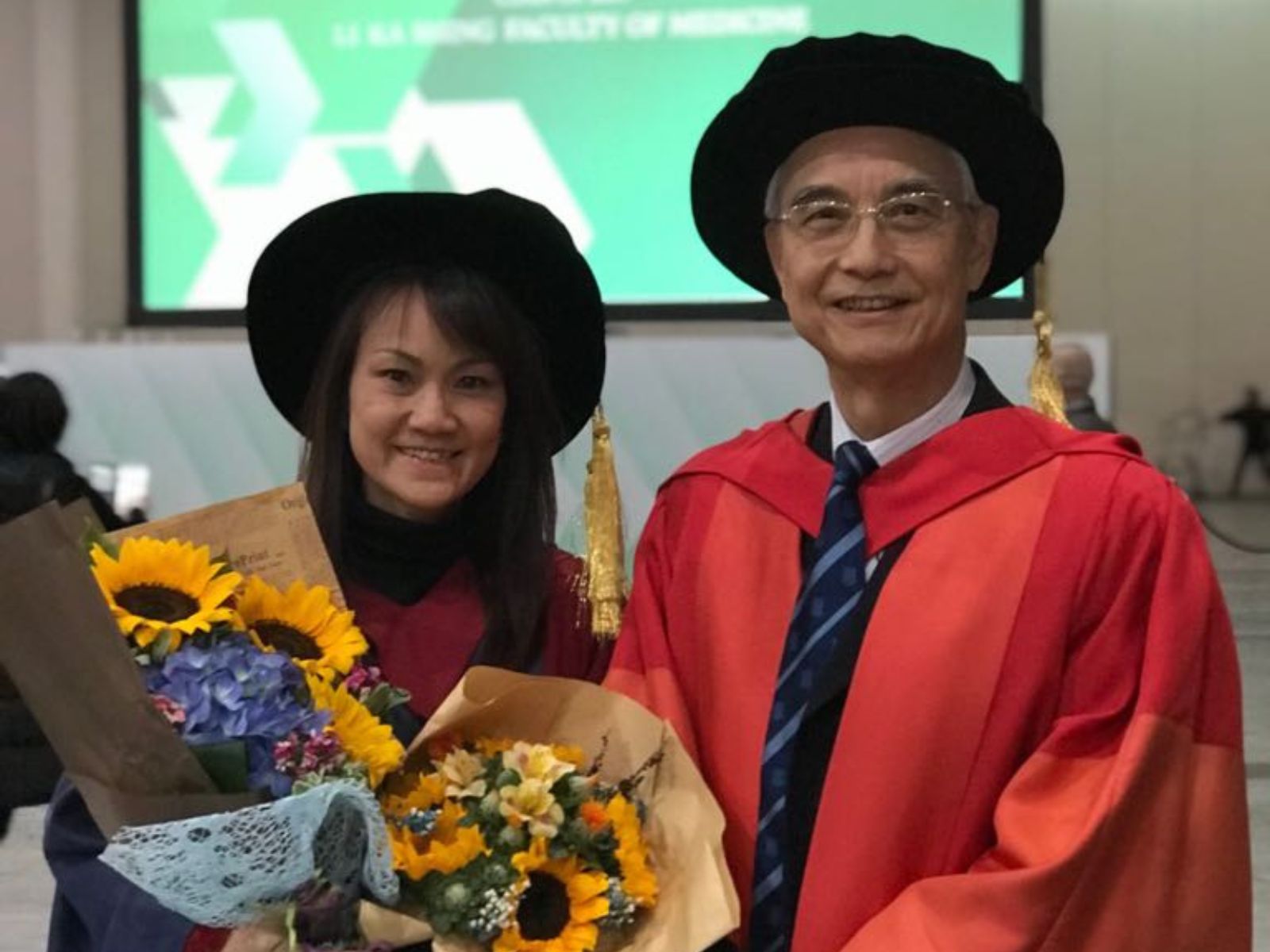
For her first PhD (Lai is one of those rare birds–even in academia–to have two doctorates) her award-winning research was on an intervention designed to help patients with obstructive sleep apnea, a serious medical condition characterized by recurrent episodes of complete or partial obstruction of the upper airway leading to reduced or absent breathing during sleep. Starting on treatment with continuous positive airway pressure (CPAP) using a dedicated machine at home marks the end of a patient's quest for a solution as to why they still feel so tired after a night's sleep. However, it is also the beginning of a challenging new phase: consistent, long-term adherence to the treatment, every night, without fail.
Observational studies have shown that many patients struggle with adhering to the treatment, for a variety of reasons, including lack of training in how to use the CPAP machine, demotivation in the early stages of use, and insufficient support and encouragement. In fact, only around 30% of patient use their CPAP machines consistently. The first three months of treatment are a crucial time to support patients have better adherence, by improving their knowledge of the CPAP treatment process, and offering advice and support on how to overcome the obstacles to consistent use.
Self-efficacy leads to adherence
Lai's study intervention, to improve obstructive sleep apnea patients' knowledge, motivation and self-efficacy to use CPAP, was deceptively simple. Shortly after diagnosis, in addition to usual care, the intervention group received a brief motivational enhancement education program comprising a 25 minute video, a 20 minute patient-centered interview, and a 10 minute telephone follow-up. However, the results showed it worked: those who received the intervention were more likely to show better adherence to CPAP treatment, with greater improvements in treatment self-efficacy and daytime sleepiness, and the benefits persisted even after 1 year.
Having trained in nursing in Hong Kong, Lai then spent a few years in the United States, and by the time she returned, needed a job with family-friendly hours that would also use her skills and training. Rather than returning to shift-based hospital nursing, she started her research career investigating lung function in the Hong Kong population, under the guidance of eminent respiratory medicine specialist Professor Mary Ip Sau-man.
The fine art of recruitment
This was in the early 2000s when telephone directories still existed, and data collection relied on some old-school hard work of randomly picking numbers from the phone directory, then persuading those who picked up to go and have lung function and blood test in the interests of research. In 2003, the city-wide outbreak of severe acute respiratory syndrome meant the researchers had to terminate the study early, but by then Lai had already successfully recruited 3,000 participants. This cemented her reputation as a researcher with tenacity and ability to get results. She'd also built a great network of doctors and nurses that she was able to call on in future research.
Lai credits her mentor Prof Ip with sparking her interest in sleep-related breathing disorders, and guiding her on how to do it. “To do this work, you must have good working relationships with all the nurses and doctors involved,” she says. “People like working with me because they know that I can do recruitment study design analysis and publications, skills I gained from working for 15 years with Prof Ip. From her, I learned that you have to do things seriously, carefully, and with endurance, and always do your best for the patients, that’s the most important thing.”
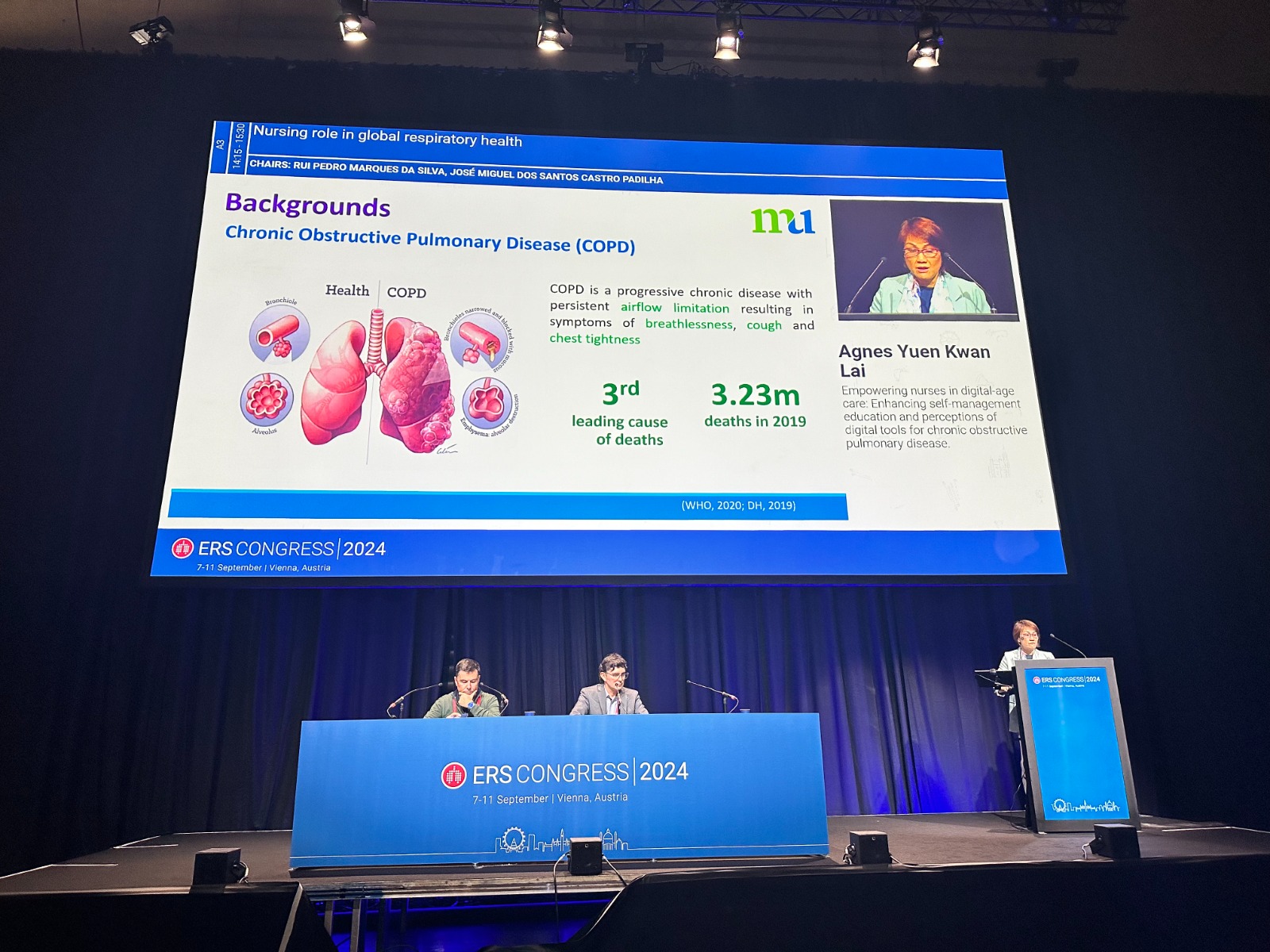
Apart from sleep apnea, Lai has also researched extensively on supporting patients dealing with chronic obstructive pulmonary disease (COPD) and lung cancer. “This is not easy work. When you recruit COPD and lung cancer patients you need to be patient with them and have empathy,” says Lai. Knowing how to work alongside hospital staff is also something of a fine art. “The research environment has been improving over the past 20 years, and people in hospitals are more open-minded now,” she says. “Before, we could do research as long as it didn’t disrupt the flow of the ward. Now people are more willing to do research, but still, you can’t force people to do it.”