As global populations age at an unprecedented pace, the next frontier of gerontechnology lies not merely in invention, but in meaningful implementation. This keynote explores how we move technologies through the innovation pipeline towards successful implementation. It focuses on advancing gerontechnologies that unlock purpose, participation, and possibility across the lifespan for older adults, care partners, and the health systems that support them.
While technological breakthroughs in AI, robotics, digital health, and smart environments continue to accelerate, their true value depends on equitable access, cultural adaptability, interdisciplinary collaboration, and scalable deployment. Innovation without implementation risks widening disparities, while implementation without meaningful engagement risks irrelevance. Bridging this gap requires partnerships that integrate research, industry, policy, and lived experience into cohesive, impact-driven ecosystems.
This keynote highlights how co-design and translational pathways can transform gerontechnology from assistive tools into empowering platforms that create impactful change. By shifting the narrative from dependency to capability, these technologies can foster autonomy, social connection, lifelong contribution, and dignity.
Advancing global engagement in novel gerontechnology demands a coordinated international agenda that prioritizes human-centered design, evidence-based scaling, workforce readiness, and policy alignment. Sustainable implementation enables people to age well. The future of aging is not defined by limitation, but by possibility—if innovation is intentionally implemented to serve humanity.
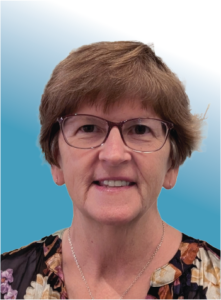
Prof. Shannon L. Freeman is a Professor in the School of Nursing at the University of Northern British Columbia (UNBC), where she holds the Tier 2 Canada Research Chair in Technology Adoption for Aging in the North (2026-2031). She also serves as the Founding Academic Director of the Centre for Technology Adoption for Aging in the North (CTAAN), established in 2019 as an AGE-WELL national innovation hub and collaborating centre dedicated to advancing innovations in technology development and implementation to support older adults in rural and northern communities.
Prof. Freeman earned her PhD in Health Studies and Gerontology from the University of Waterloo (2012), following an MSc in Internal Medicine and Rehabilitation from Tohoku University School of Medicine, Japan (2008). Her research focuses on the health and social care needs of older adults in rural and northern settings, encompassing community-dwelling individuals and those in long-term care. As a social gerontologist, she adopts a collaborative, community-partnered approach, with specialisations in aging, hospice palliative care, informal caregiving, and centenarians.
Her work has generated real-world impact by addressing implementation challenges in gerontechnology adoption, fostering interdisciplinary collaborations, and promoting evidence-based solutions to enhance positive aging, resilience, and quality of life for older adults and their caregivers—aligning closely with the objectives of the International Conference on Gerontechnology 2026.
Prof. Freeman has delivered over 100 invited presentations and authored numerous peer-reviewed publications. She previously received the Michael Smith Foundation for Health Research – AGE-WELL Network of Centres of Excellence 2020 Scholar Award (2020–2025).