Back in 2017, the OUHK introduced a brand new Quality Enhancement Measures (QEM) scheme. This was a bold new initiative that set aside a HK$410 million pool of funds to be shared for developing key areas of university life, including teaching and learning enhancement, co-curricular/experiential learning, and student scholarships, activities and sports support. Under the scheme, Schools and Units can apply for funds by submitting proposals for their use, a system which has quickly driven new student support initiatives across all fields. This chapter highlights some of the most important outcomes of the QEM Scheme in 2019/20, together with other initiatives set up to enhance the student learning experience.
Making teaching and learning brilliant
Renovations and upgrades to teaching and learning spaces
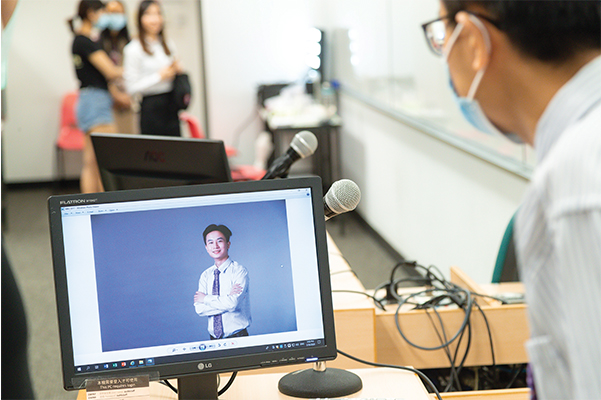
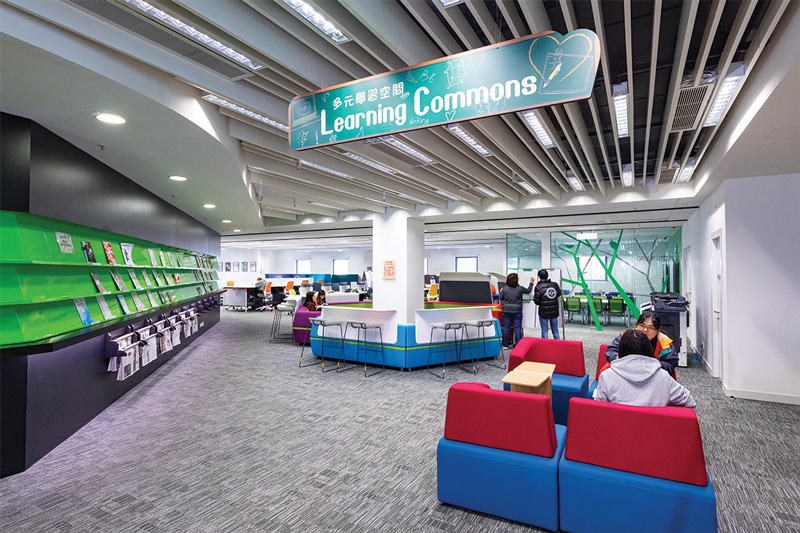
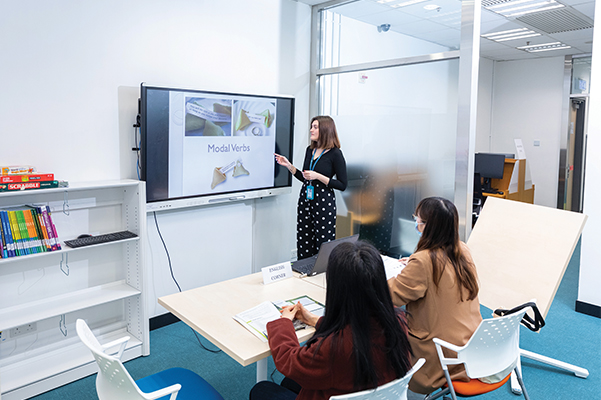
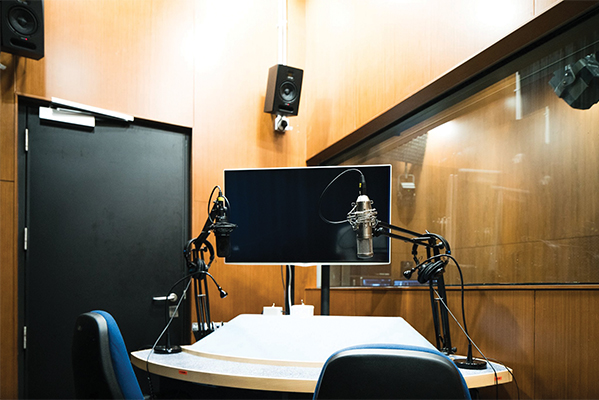
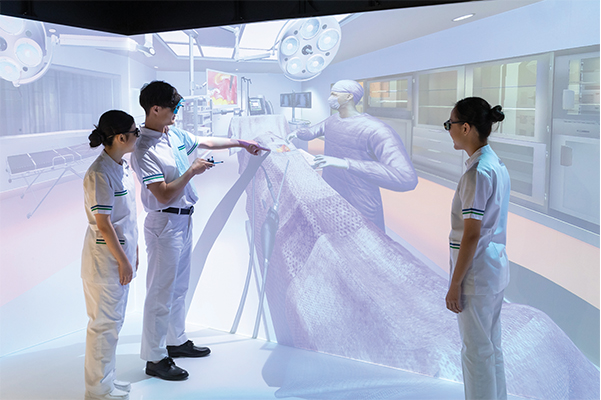
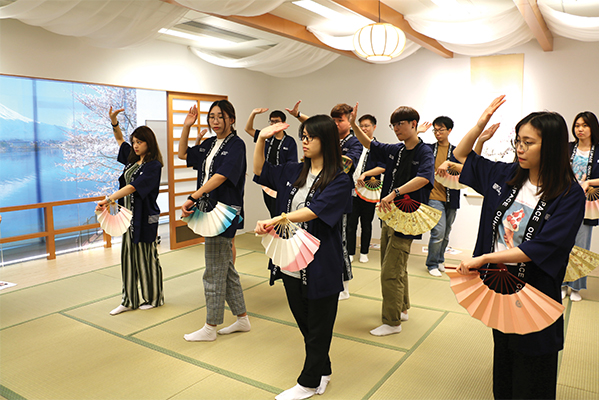
A major library renovation was completed in 2019 that has transformed the appearance and usability of both the Stanley Ho Library on the Main Campus and the Ho Sik Yee Library on the Jockey Club Campus. The renovated library spaces incorporate modern furniture and innovative features designed to serve different learning needs and facilitate learning activities. The library now includes zones for individual study and collaborative work, flexible spaces that can be used for subject talks or workshops, and a cosy reading and refreshment corner. Under the QEM scheme, a new Language Centre to enhance students’ English language skills was opened in the Stanley Ho Library, providing a dedicated space for holding interactive workshops with native English-speaking advisors. For computing programmes, funds were approved for introducing AI-enabled computers in laboratories, which are now being installed. QEM funds have also been earmarked for new Virtual Reality facilities to be used for social science courses and laboratory experiments, and new VR, augmented reality and simulation facilities are also being installed in the new Institute of Healthcare for nursing and physiotherapy education. Elsewhere, funds are also being spent on upgrading hardware and software in the Language Laboratory for interpreter training, as well as on equipment in the Sound Studio and Recording Booth used by the creative arts programmes. At LiPACE on the Kwai Hing Campus, QEM enhancements have included a new Japanese Language and Cultural Studies Centre, a new STEAM Education Lab, as well as expansion of the mock-up ward room and upgrading of the mock-up hotel room there.
More guidance for students
Paralleling this QEM spending on facilities has been significant investment in learning support, with around HK$12 million of QEM funds having been used to improve the teaching staff-to-student ratio over the year. To show its long-term commitment to this area of its teaching support, the University intends to move the increased staffing costs to its regular budget in 2020/21. Another valuable QEM initiative, launched in 2018/19 and taking off in the year under review, was the new Learning Enhancement Encouragement Scheme for academically at-risk students. Under this scheme, 31 academically struggling students joined a year-long programme in May 2019 designed to help them set and achieve learning goals, with plentiful support from staff and counsellors of the Student Affairs Office.
Financial support further expanded
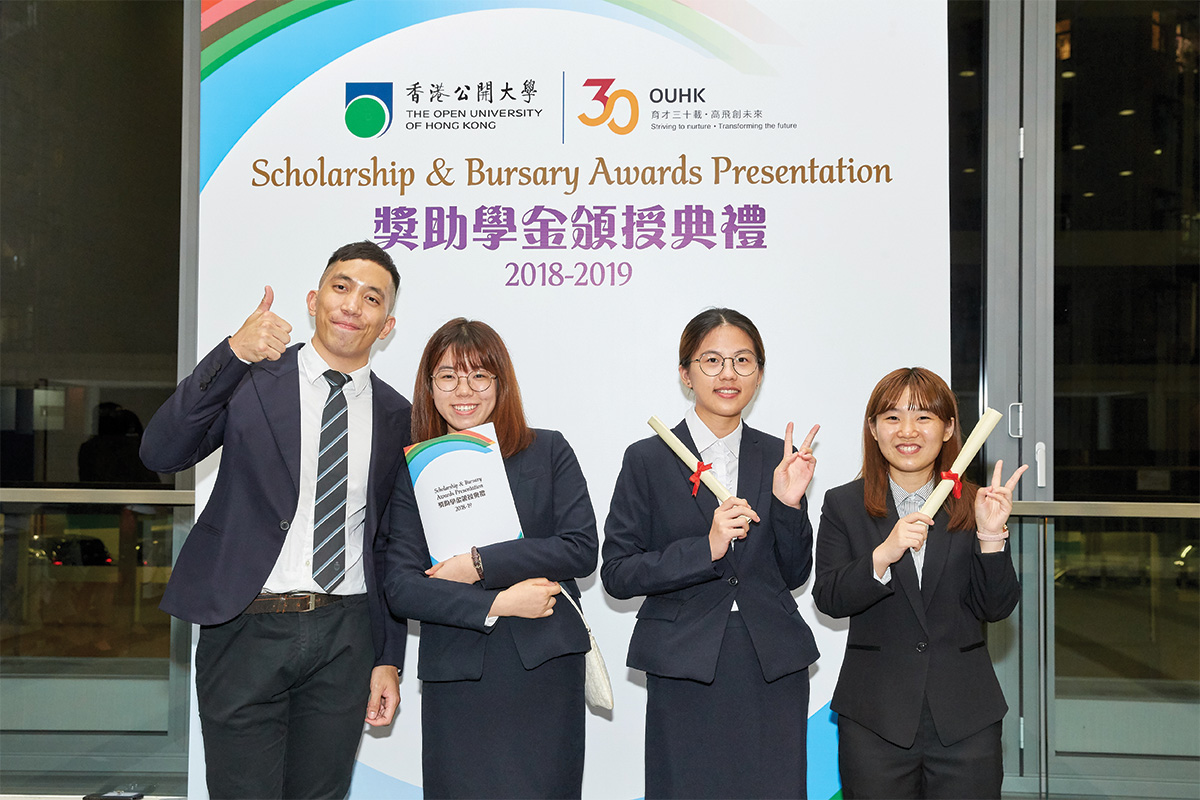
In an exceptional year which brought pressure to bear on students from many directions, the OUHK dug deep to provide relief to everyone impacted by external events. In fact, the University set aside a 2020/21 Relief Fund of HK$20 million designated to provide financial subsidies to almost all students studying at the OUHK, with full-time students each receiving HK$1,300 and part-time students HK$650. In addition, a further HK$27 million has been poured into measures to support students through enhanced safety and hygiene and better online teaching arrangements. A very large number of students also benefitted from nearly 2,000 scholarships and bursaries handed out in 2018/19 and 2019/20. Worth a combined total of almost HK$20 million, the grants provided welcome financial support to many of the University’s best and brightest. In particular, in 2019/20 the OUHK’s own Bursary Scheme expanded its contribution three-fold from the previous year, to HK$2.14 million.
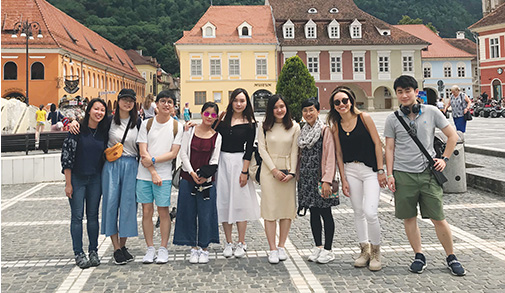
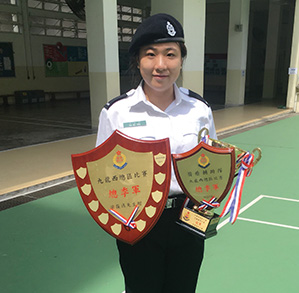
Some scholarships and other grants were funded by the QEM. Among the latest additions were the Go Further Award scholarship, set up to fund exchange activities to broaden students’horizons. Under this scholarship, for example, students from the Department of Humanities, Language and Translation were able to undertake a rewarding visit to Romania. To motivate and reward the most outstanding OUHK students, the QEM-funded OUHK Outstanding Student Scholarship Scheme was introduced for up to 40 students each year. This three-level scheme encompasses the Outstanding Student Scholarship, the Outstanding Student Scholarship of the School, and the Most Outstanding Student Scholarship of OUHK. Other valuable scholarships newly on offer include the OUHK Ethnic Minority Student Award, which recognizes the most exceptional of the large number of ethnic minority students who choose to study at the OUHK, and the Entrance Scholarship set up to support BSc (Hons) in Physiotherapy Year 1 students.
Real-world learning comes to the fore
Kick-starting a spirit of innovation
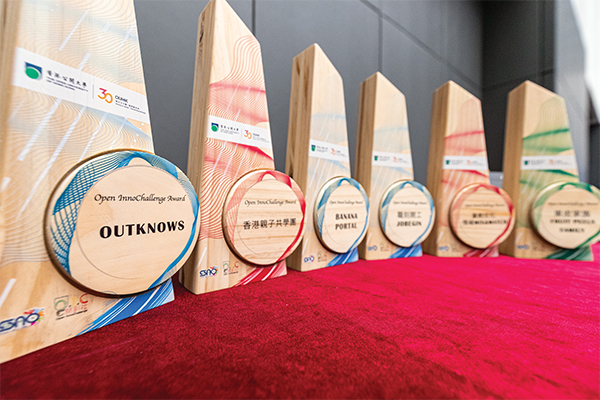
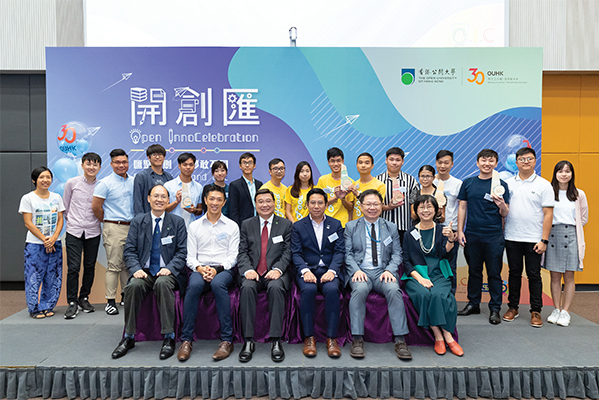
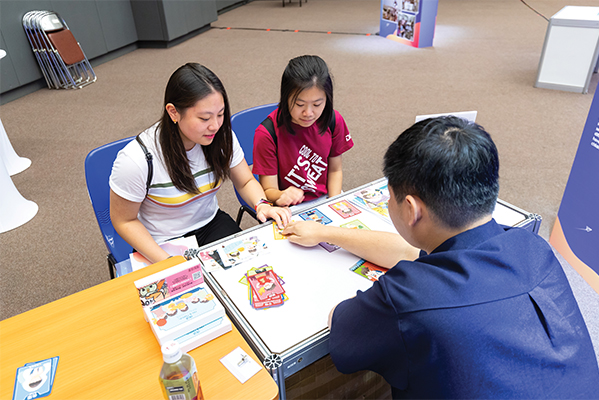
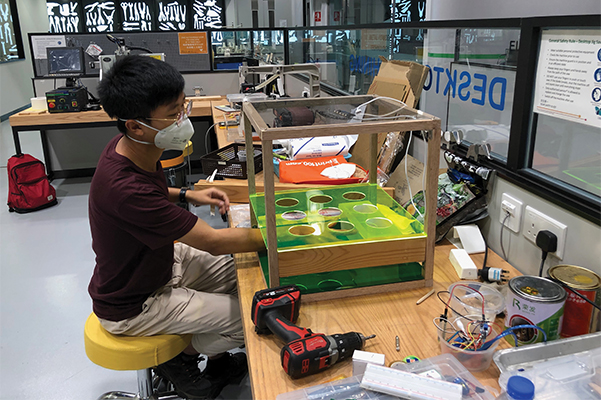
Hong Kong is a city of entrepreneurs, and the OUHK is playing its part to cultivate the entrepreneurial spirit among its students. One important initiative is its Open InnoChallenge (OIC) scheme run by the Student Affairs Office, which gives students opportunities to test out their innovation ideas through community interactions and discussion. They can then apply for an implementation fund of HK$100,000, together with entrepreneurial support, to get their proposed project underway. The OIC has sparked a great outpouring of entrepreneurial endeavour. Although it was only launched in 2017, by the end of 2018/19 it had attracted almost 3,000 participants, and received 60 funding proposals. Nine of these have since developed into start-up companies. In 2019, an Open InnoCelebration event running from 20 September to 3 October included an awards ceremony for winning proposals, along with a range of workshops and an exhibition celebrating the fruits of the scheme. In 2019/20, an Open InnoLab with a proof-of-concept subsidy was introduced to reinforce entrepreneurial education at the University. Besides receiving the subsidy, student teams were assigned coaches made up of alumni, academic staff members and former OIC awardees. Of the 30 proposals received, 12 passed the internal screening process. These proposals have now been presented to a judging panel of renowned industrialists and entrepreneurs.

Learning through cultural exchange
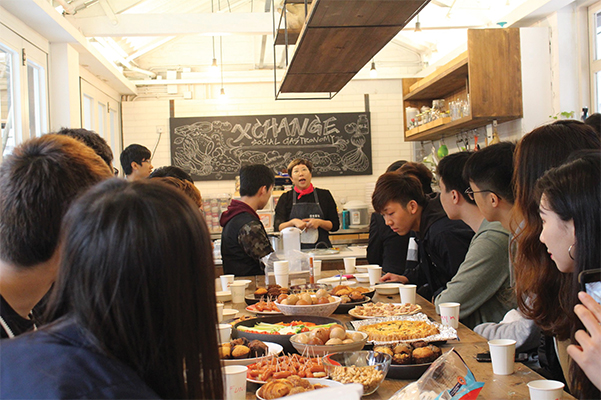
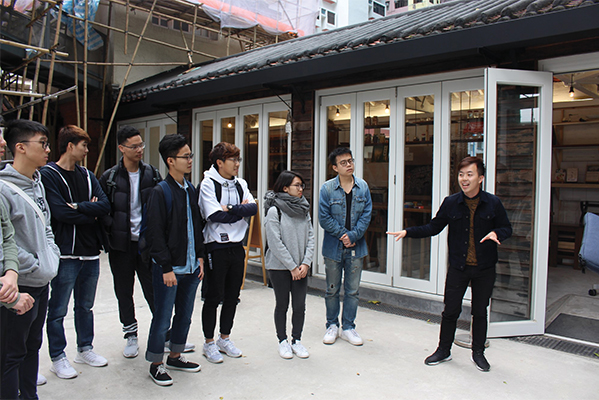
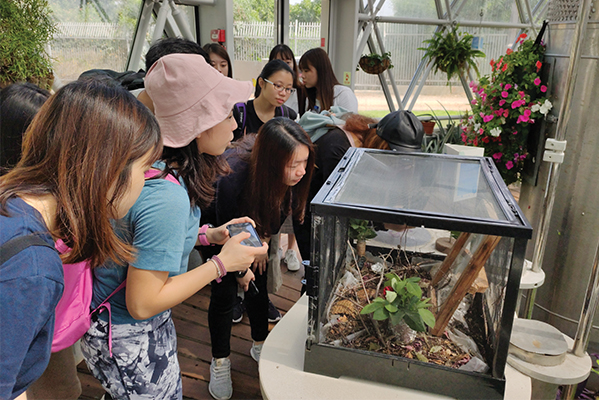
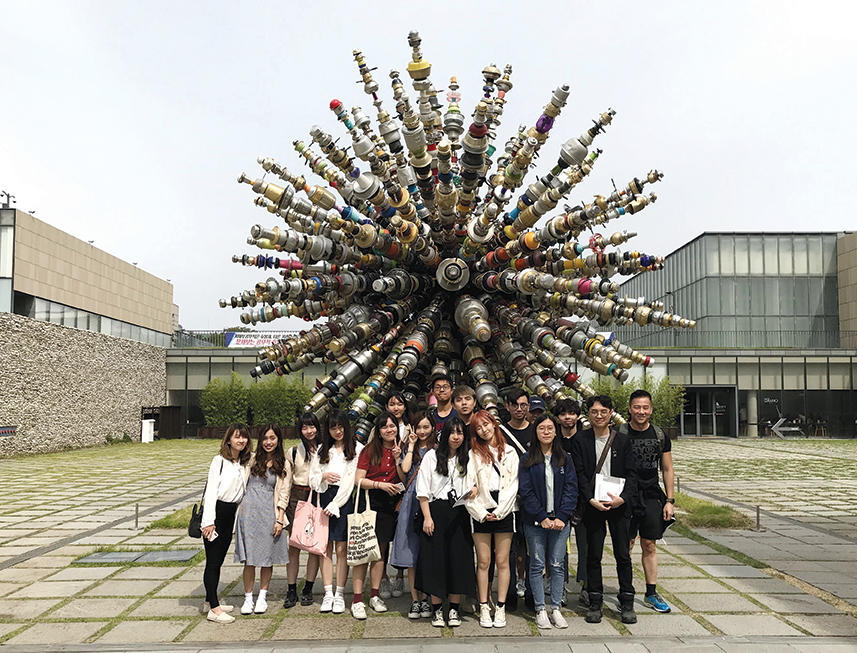
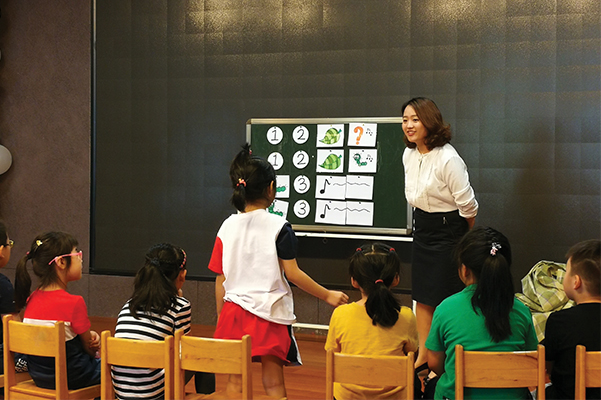
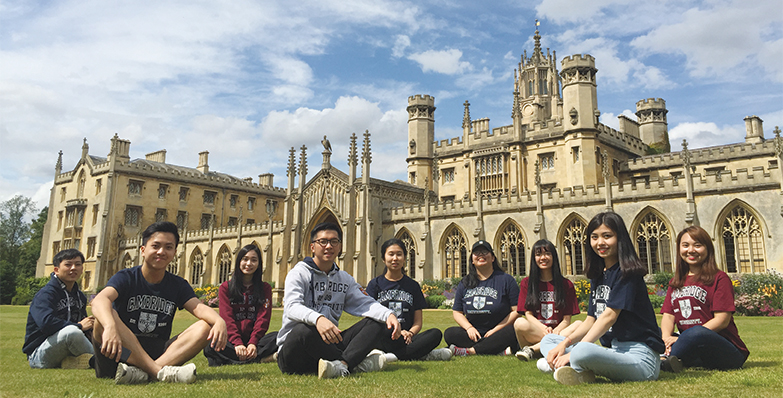
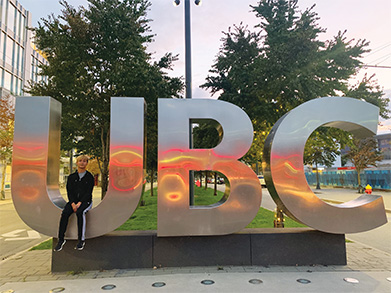
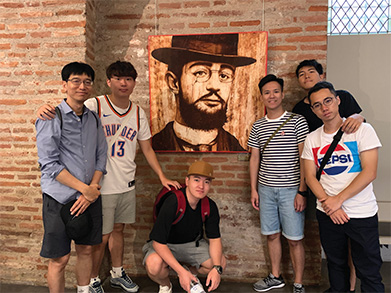
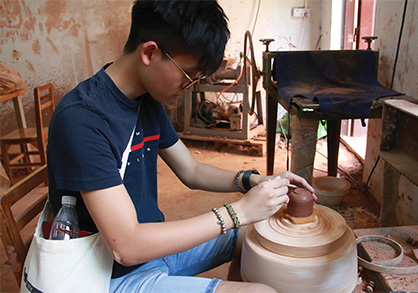
The QEM has also provided important funding for a range of exchange programmes that give students opportunities to expand their horizons, meet new people, and visit new locations. The School of Education and Languages, for example, has expanded its immersion programmes to include destinations such as Japan, Australia, England and Canada, while the Student Affairs Office has developed cultural and study tours to various Belt and Road countries along with in-depth cultural and study tours to mainland China. The School of Arts and Social Sciences, meanwhile, has developed an Overseas Summer School programme for its social sciences students, as well as launching art tours to Seoul and Japan. At the Lee Shau Kee School of Business and Administration, which runs a comprehensive mandatory Global Immersion Programme (GIP) for all full-time degrees, students were awarded nearly HK$5.9 million in support of overseas exchange activities in 2018/19, followed by scholarships and prizes totalling HK$5.8 million in 2019/20. When the COVID-19 pandemic put a halt to international travel, the School teamed up with its overseas partners to organize online summer courses for its postgraduate students in place of the regular GIP study tours.

Supporting career choices
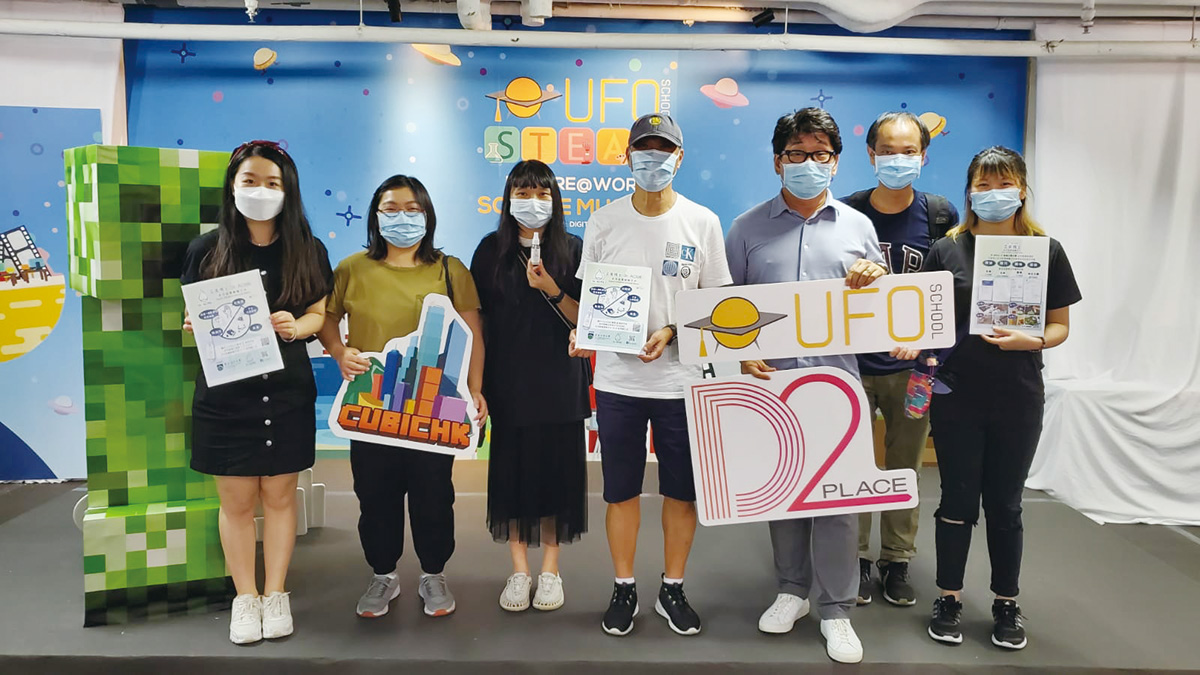
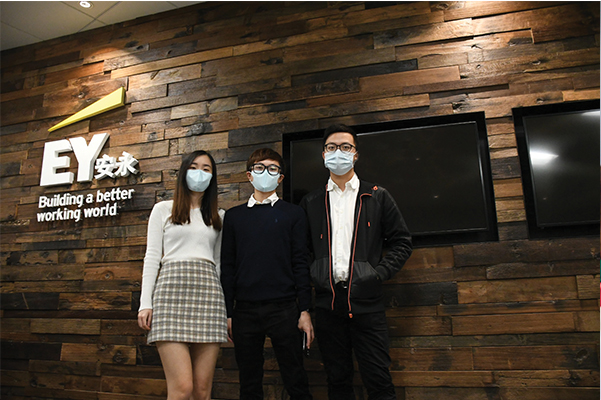
In June 2019, the University launched a new Internship Lab designed to help OUHK students find work experience on campus across the year. The project gives participants the opportunity to learn and apply career education concepts like work ethics, work attitude, and meeting performance expectations in the controlled environment of their university, while being paid for their work. In the summer of 2020, a separate OUHK Summer Internship Scheme created 38 full-time positions in various Schools and Units. An ambitious Global Internship Campaign was planned in 2019, but the arrival of COVID-19 meant that the campaign had to be adapted for the times. One of the contingency plans in place was a Solution-Focused Internship Project, which matches students with companies for interesting projects which so far have spanned the areas of corporate security, cleaning product development, mobile STEAM classrooms, educational technologies, and community building. The project gave priority to those who had originally signed up for the Global Internship Campaign, followed by Internship Lab registrants.
As classes were shifted online, the University offered virtual career consultations and career workshops to help students prepare for applying for jobs effectively. Schools also offered tailored career support. For example, in addition to the pre-existing spring internships, the Lee Shau Kee School of Business and Administration offered its senior business students summer internship opportunities with full allowances under a new Career HeadStart Programme, to ensure that their internship experiences would not be interrupted. The School has also integrated LinkedIn Learning into its curriculum from May 2020, to further enhance the global exposure and employability of its students. LinkedIn Learning gives students access to a vast online library of instructional videos on the latest business, creative, and technology skills. When students complete a course or learning path, the relevant credentials and certificates are automatically added to their LinkedIn profiles, providing them with a head start in career development.
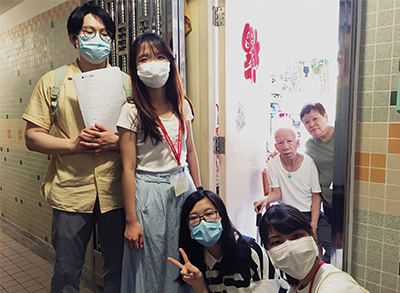
In addition to work placements, OUHK students have also gained real-world exposure through other initiatives such as service learning. This year, the Student Affairs Office introduced a Service-Learning pilot in collaboration with the School of Arts and Social Sciences that recruits students to organize and run community-focused events. So far a Dragon Boat Festival elderly care programme has been run successfully, followed by a series of online summer child care services. The scheme will be expanded to include more Schools and a wider range of activities.
Putting well-being at the heart of learning
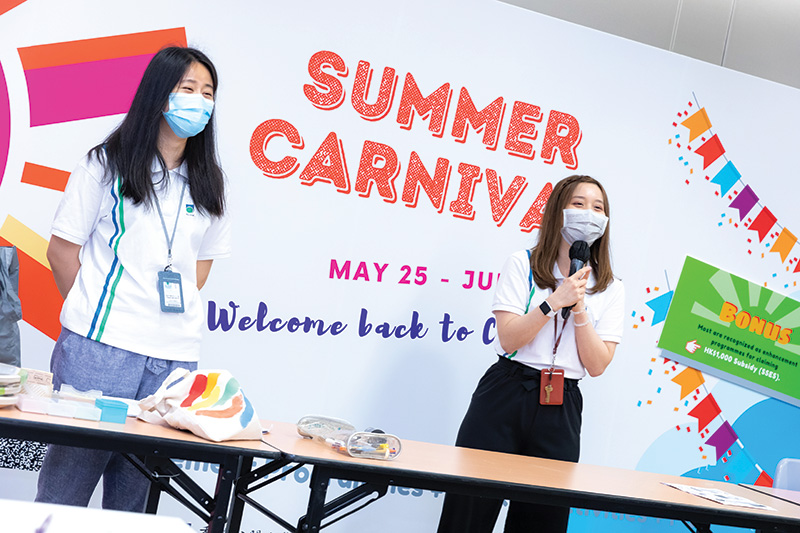
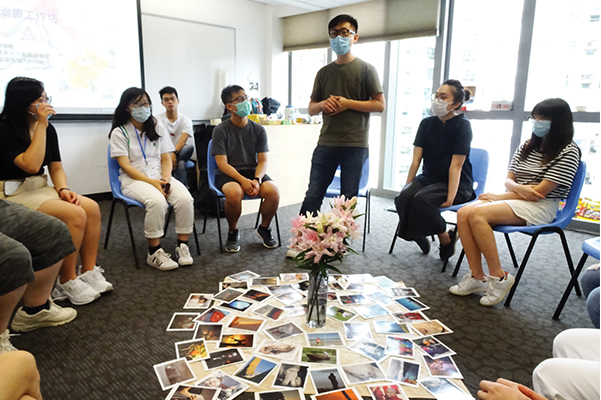
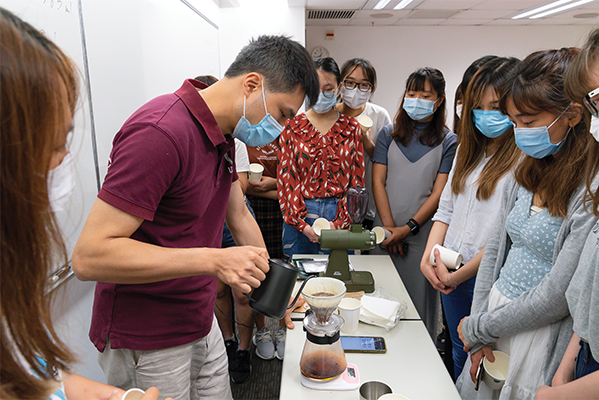
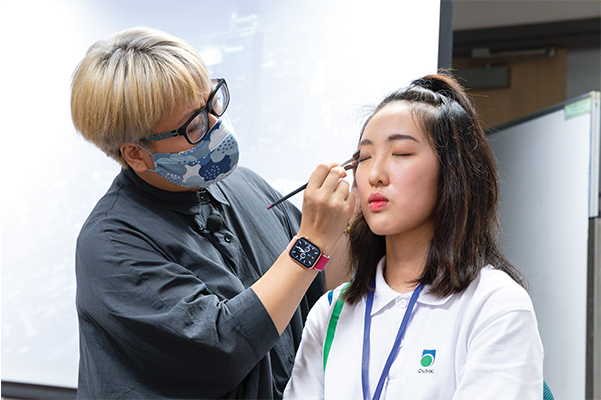
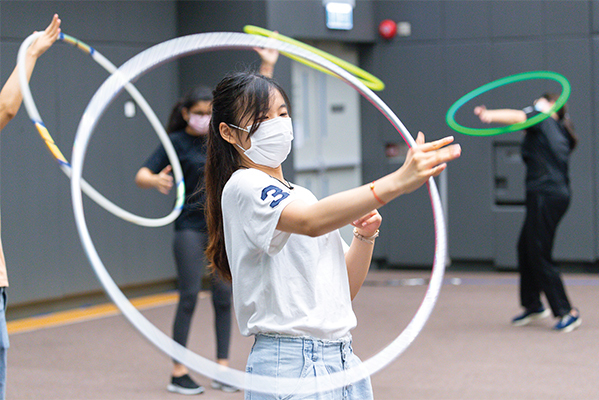
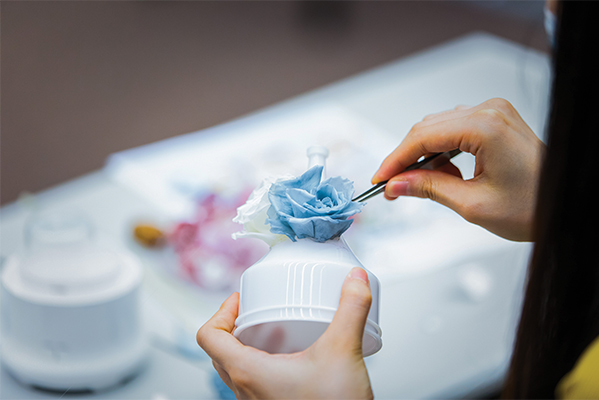
With COVID-19 bringing great pressure to bear on students’ financial, emotional and social well-being, the University launched a Special Student Enhancement Scheme designed to provide support across a range of areas. The Scheme was set up to help students face the future with confidence by offering activities to help them enhance their personal development and employability, supplemented by a cash incentive of HK$1,000 per student. By August 2020, the Scheme had directly benefitted over 3,000 students and disbursed over HK$3 million in support funds, with more applications to be processed before the close of the Scheme in October. One of the activities associated with the Scheme was a Summer Carnival, which recognized young people’s need to balance their studies with fun leisure activities and opportunities to socialize. The first round, from May to June 2020, delivered over a hundred activity sessions and was very popular, prompting several more rounds to be organized online and offline throughout the summer. The Carnival covered activities under the themes of sports, arts and craft, personal growth and career development. Indeed, the student sports talent at the OUHK has been growing in recent times, and the University has been fostering sporting achievement by renting off-campus sports venues since 2019 to supplement its on-campus facilities.