







MU Connect issue 10 (page 24)

Home About HKMU University Publications MU Connect MU Connect issue 10 (page 24)

Innovative algorithm enhances digital twin edge networks

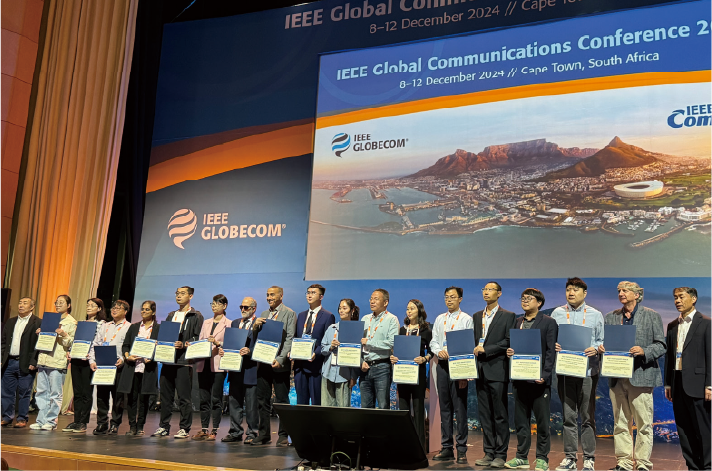
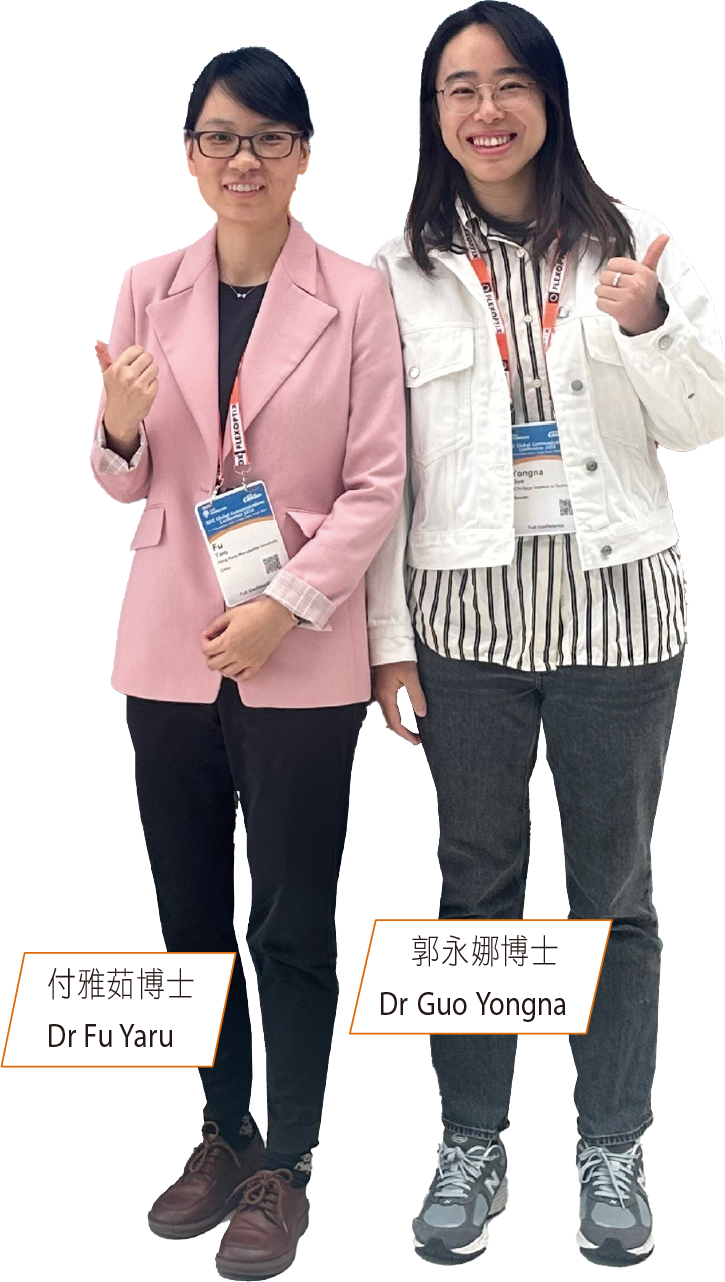
In the era of smart IoT (Internet of Things) and 6G communications, balancing computational efficiency with energy conservation has become pivotal. Dr Fu Yaru, Assistant Professor of the School of Science and Technology, led her team including research assistant Dr Guo Yongna and other researchers, in developing an innovative algorithm that maintains digital twin fidelity while effectively managing energy consumption in edge computing networks. Awarded the Best Paper Award at the Institute of Electrical and Electronics Engineers Global Communications Conference (IEEE GLOBECOM) 2024, the research creates new possibilities for real-time data processing in wireless networks, autonomous driving, augmented reality, smart cities, IoT networks, and beyond.

Digital twins are virtual models of real-world objects or systems, enabling intelligent IoT applications through real-time monitoring and interaction with the latter. Dr Fu explains, “To maintain twin fidelity, meaning the accuracy and precision with which a digital twin replicates its physical counterpart, and to enhance computing speed and efficiency, digital twin models are usually placed on the servers of edge computing networks, which process data close to their source.” Frequent synchronisation of these twins ensures high fidelity, but comes at the cost of increased energy consumption. Dr Fu says, “The new algorithm developed by the team strikes a balance between the two and delivers significant energy savings of up to 72.5%.”

Their research also offers solutions for simple scenarios, and introduces a lightweight algorithm tailored specifically for long-term use in digital twin edge networks, addressing both delay-sensitive and energy consumption-sensitive scenarios.